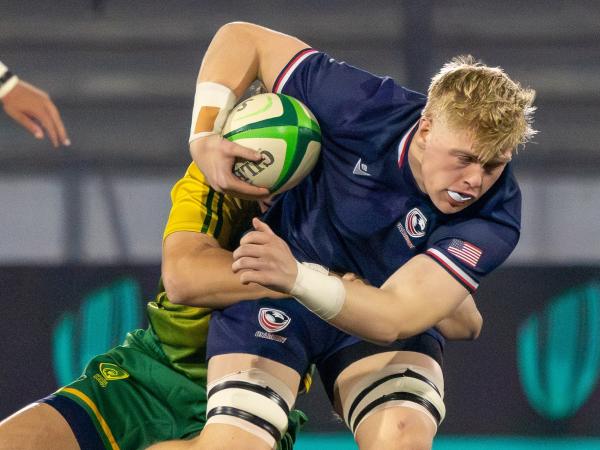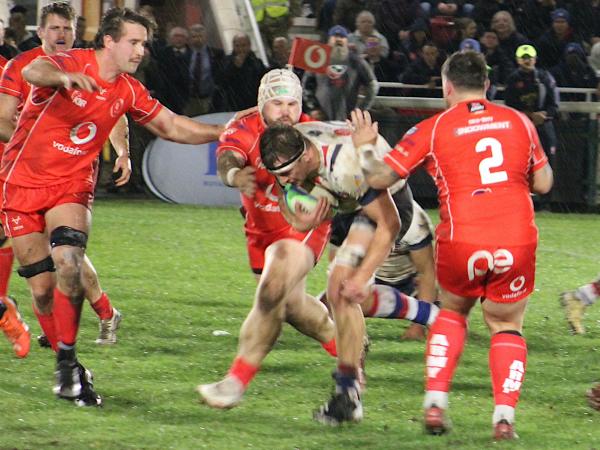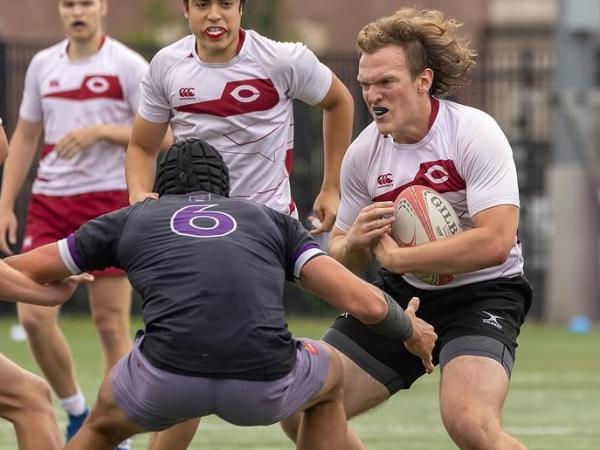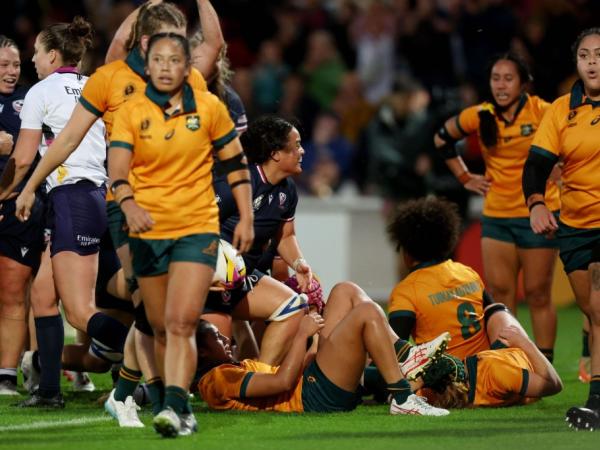




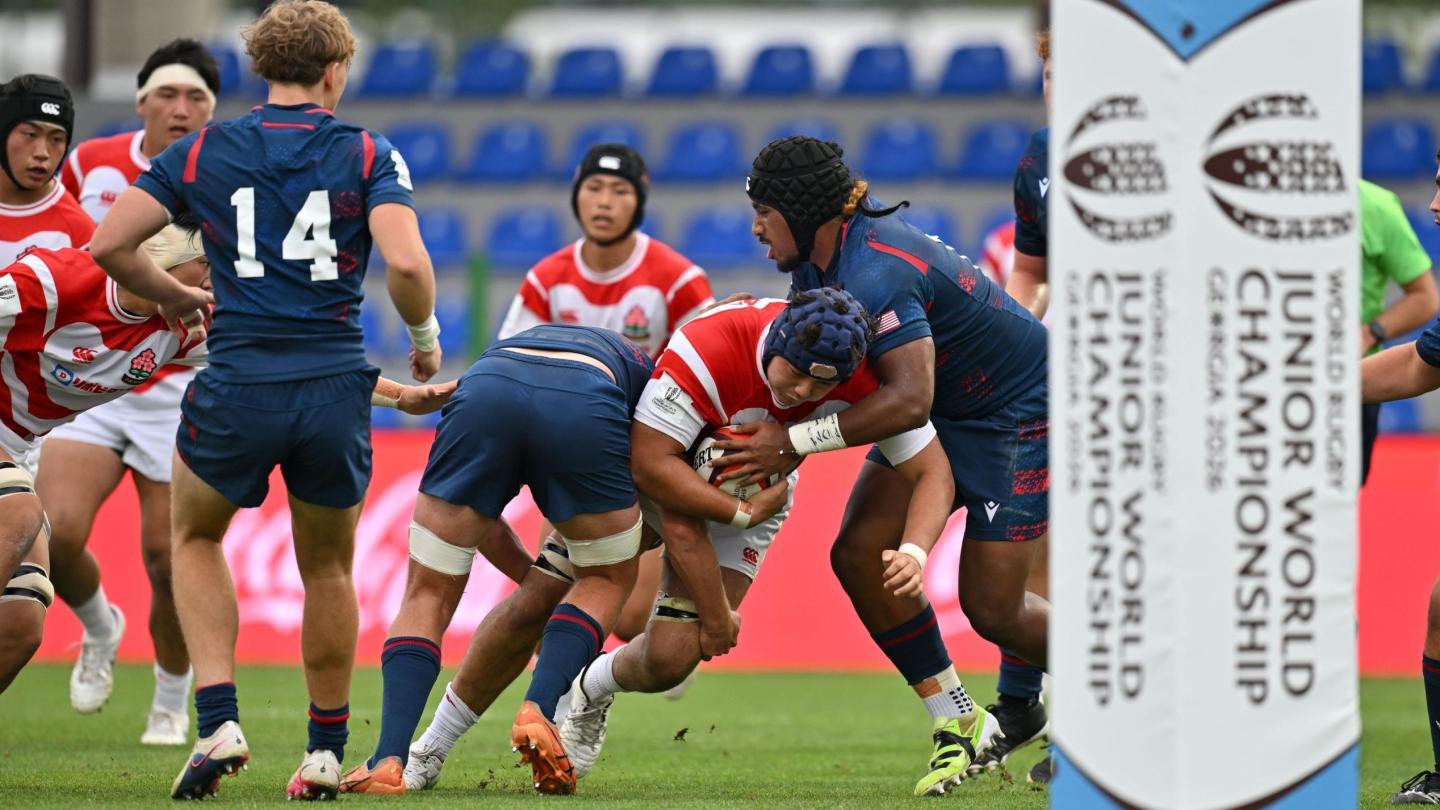
So we decided to hve a look at some of the discipline issues two USA teams encountered Saturday.
And the important thing is to avoid going in with preconceived notions. But whether it's from observation or statistics or just a feeling, one's conclusions can show up before you look at the evidence.
The USA Men's 15s team and the USA Men's U20s team both had discipline problems. Did that? After looking more closely at it, yes they did, but there are other factors.
The Men's Eagles
We wrote in our initial game report that the Eagles exceeded their previous-game's penalty count by the hydration break. That's incorrect, and we've correct it. But, it is true that against Portugal the USA was penalized four times, and we counted seven penalties in the first half vs. Zimbabwe, plus two infractions that we called for advantage and never returned to.
Let's look at them, and what resulted from them.
1: 10:30 on the game clock. Cory Daniel picks up a ball that had been knocked on by a player behind him. Offside, but that's a very tough penalty, especially for a #7, whose job it is to rescue loose balls. It could easily have been called an accidental offside, but, sure, technically, a penalty.
The result? Zimbabwe kicks for the lineout, works the ball sideline-to-sideline, and scores. TRY ZIMBABWE.
2: 16:40 on the game clock. Retaliation. The USA has a penalty eight meters from the Zimbabwe tryline. After the whistle, Makheen Alikhan gets into it with Zimbabwe wing Matthew McNab when McNab tries to take the ball away despite it being a penalty for the Eagles.
Alikhan takes umbrage with McNab engaging with Ruben de Haas, shoves him, and then grabs him by the collar, all right in front of the referee. Penalty is reversed.
Great line from Jason Damm here when the ref tells him to warn his players. "I'll let them know not to retaliate" which was a wonderful way of saying "they started it."
The result of this was a prime try-scoring opportunity was lost and Zimbabwe was able to clear their lines. POTENTIAL TRY HALTED.
3: 26:33. High tackle. This was a high tackle in traffic by Jason Damm. It was avoidable, but difficult to avoid. Good call. PENALTY GOAL ZIMBABWE.
4: 30:11. Dangerous play. Alikhan comes in on a counter-ruck drive that isn't needed, is in the middle of the field, and has zero chance of working. He makes contact with an opponent's head. YELLOW CARD.
5. 35:52. Popping up in the front row. Zimbabwe put in a good shove and sometimes this happens. NO RAMIFICATIONS.
6: High Tackle. Chasing down McNab of Zimbabwe, Perry Mayo makes a high tackle. The problem here, apart of him just coming in high, is that there was someone, Mitch Wilson, all set to handle McNab. Not necessary, but ultimately the USA survives this. NO RAMIFICATIONS.
7: Dangerous Play. With the USA mauling toward the Zimbabwe goalline, Toga Kofe removes a Zimbabwe player from the maul by his collar. The almost comical thing about this is that it happens right in front of the ref, and the referee does not see it. He gets told it has happened and has to see the video. Obvious penalty, and Kofe was lucky not to be carded, to be honest. While the Eagles muffed that maul for other reasons, it is possible that they would have gotten a penalty had this not occurred. POTENTIAL TRY OPPORTUNITY STOPPED.
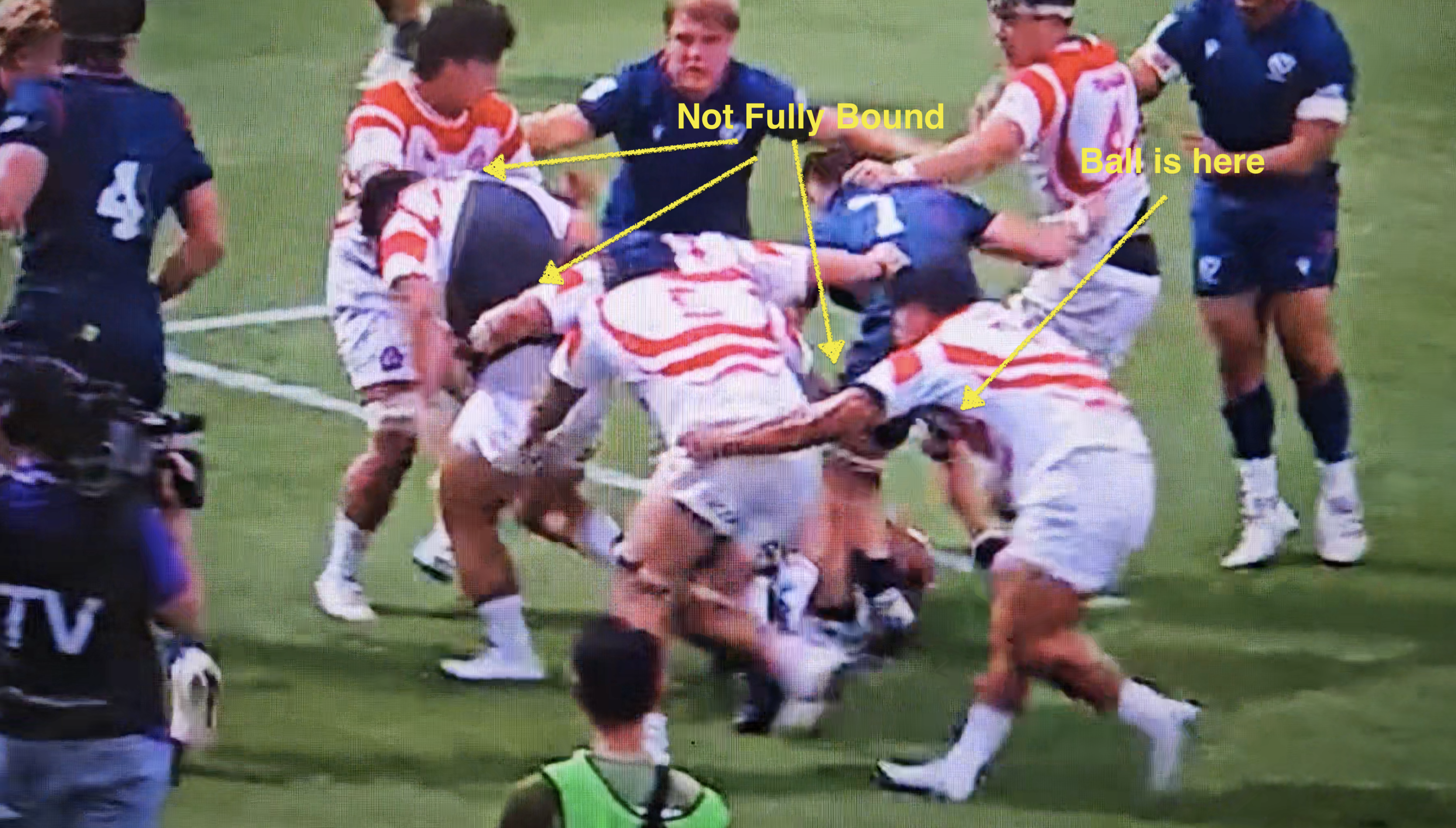
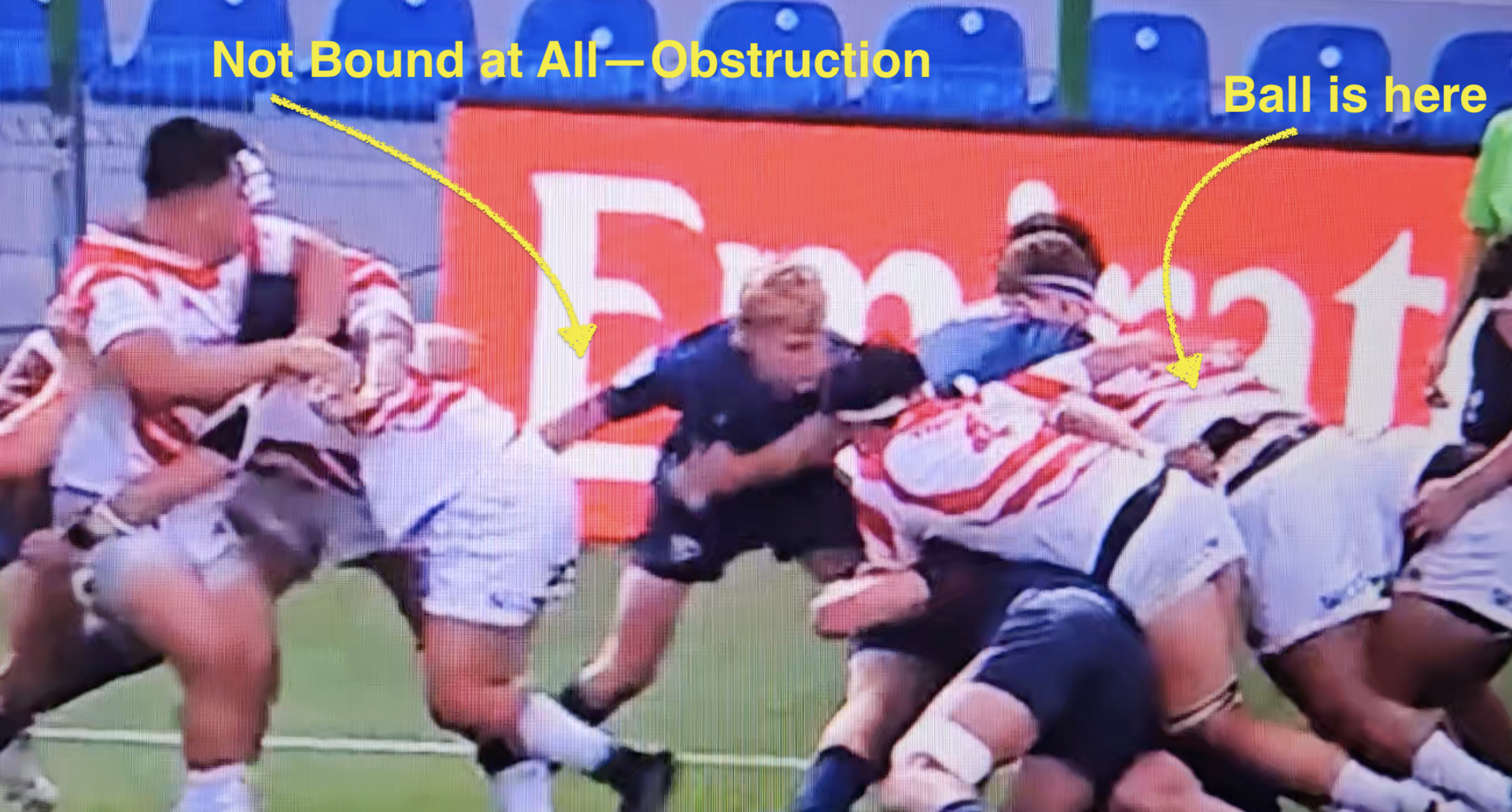
There were also two penalties that the referee did not return to. They happened on the same play—Zimbabwe was mauling to the USA line when Alikhan came in from the side. A few seconds later Nathan Den Hoedt was offside. Zimbabwe scored anyway. The thing about hits is, those infractions aren't meaningless. Once a team has a penalty advantage, they basically can either score or get another shot at it. So by coming in from an offside position, those players ensure for Zimbabwe that this would be a free play with no downside. TRY MADE ALMOST INEVITABLE.
USA Head Coach Scott Lawrence specific called out the penalty count in the first half and Alikhan specifically (not by name, but you knew who he meant). Those penalties were mostly very avoidable, and led to every single one or Zimbabwe's points. They also cost the USA at least one try.