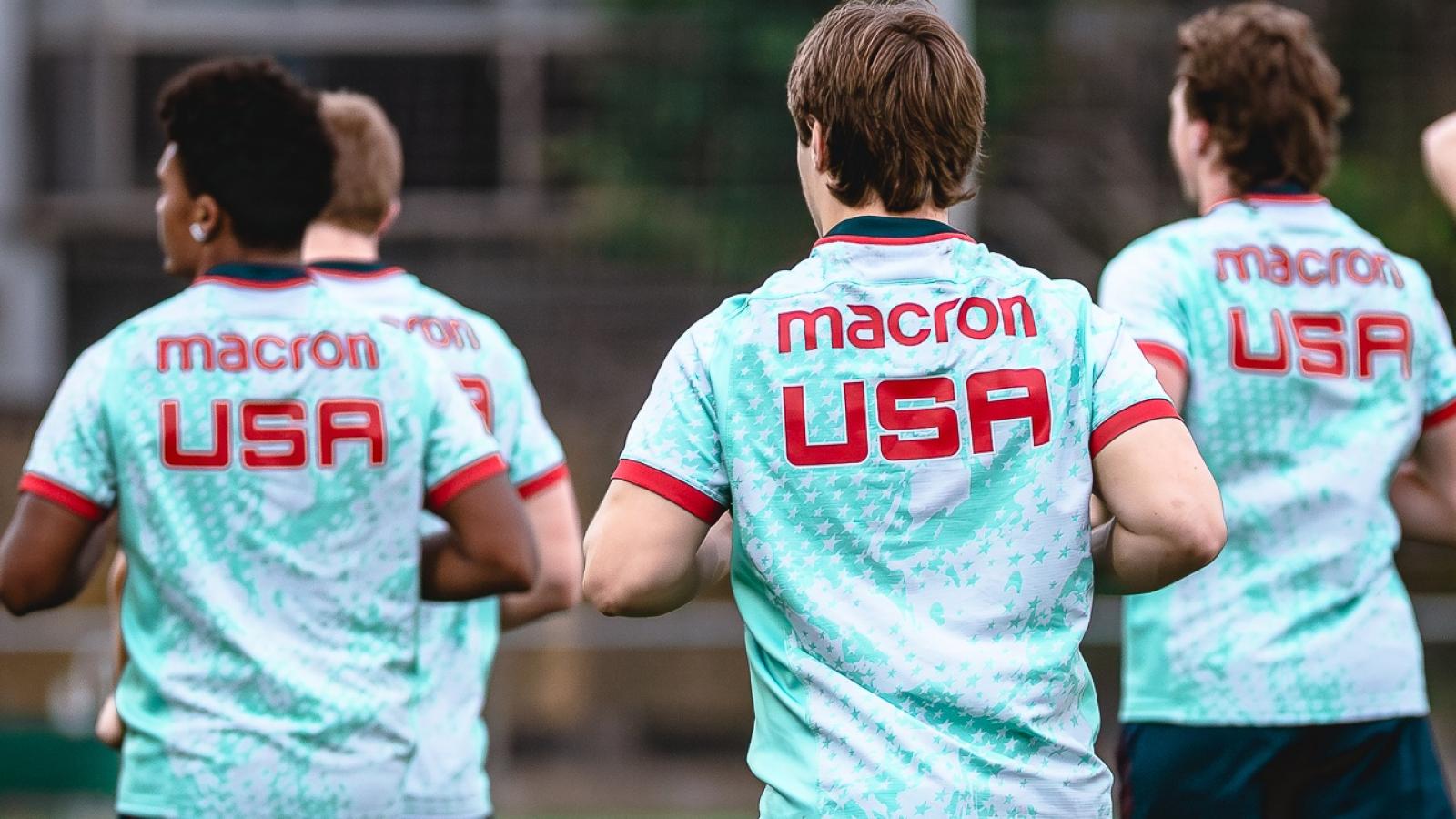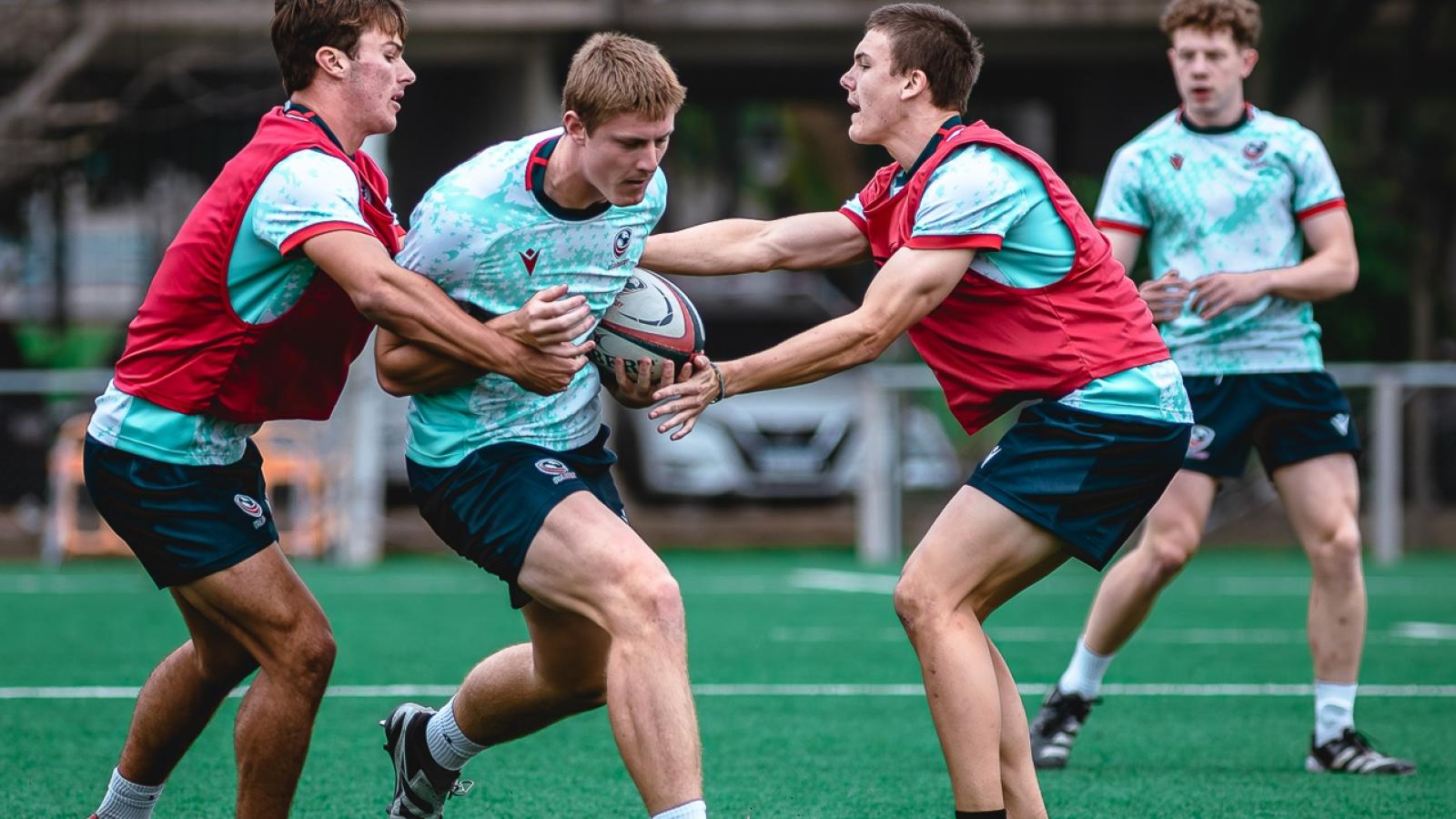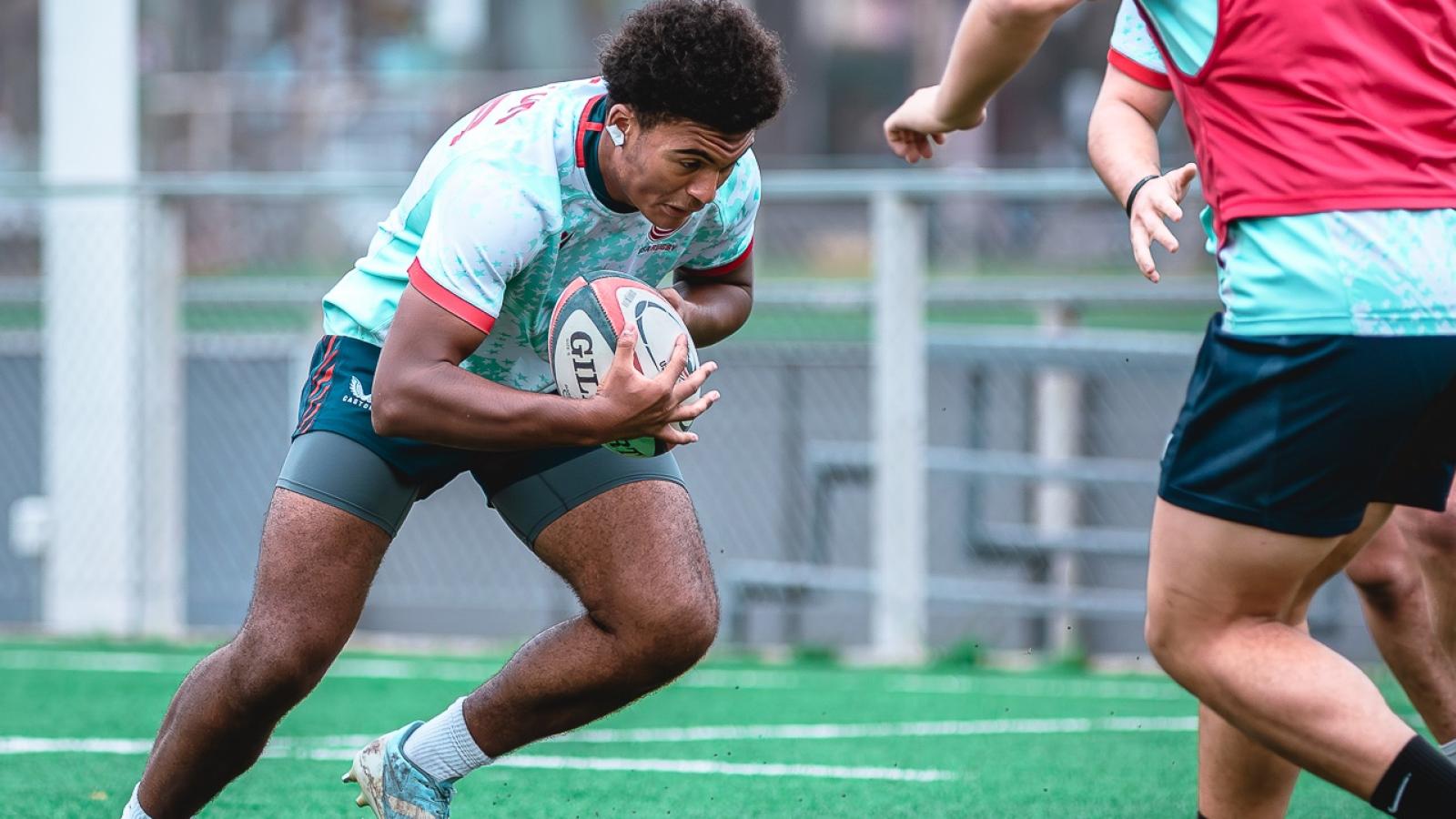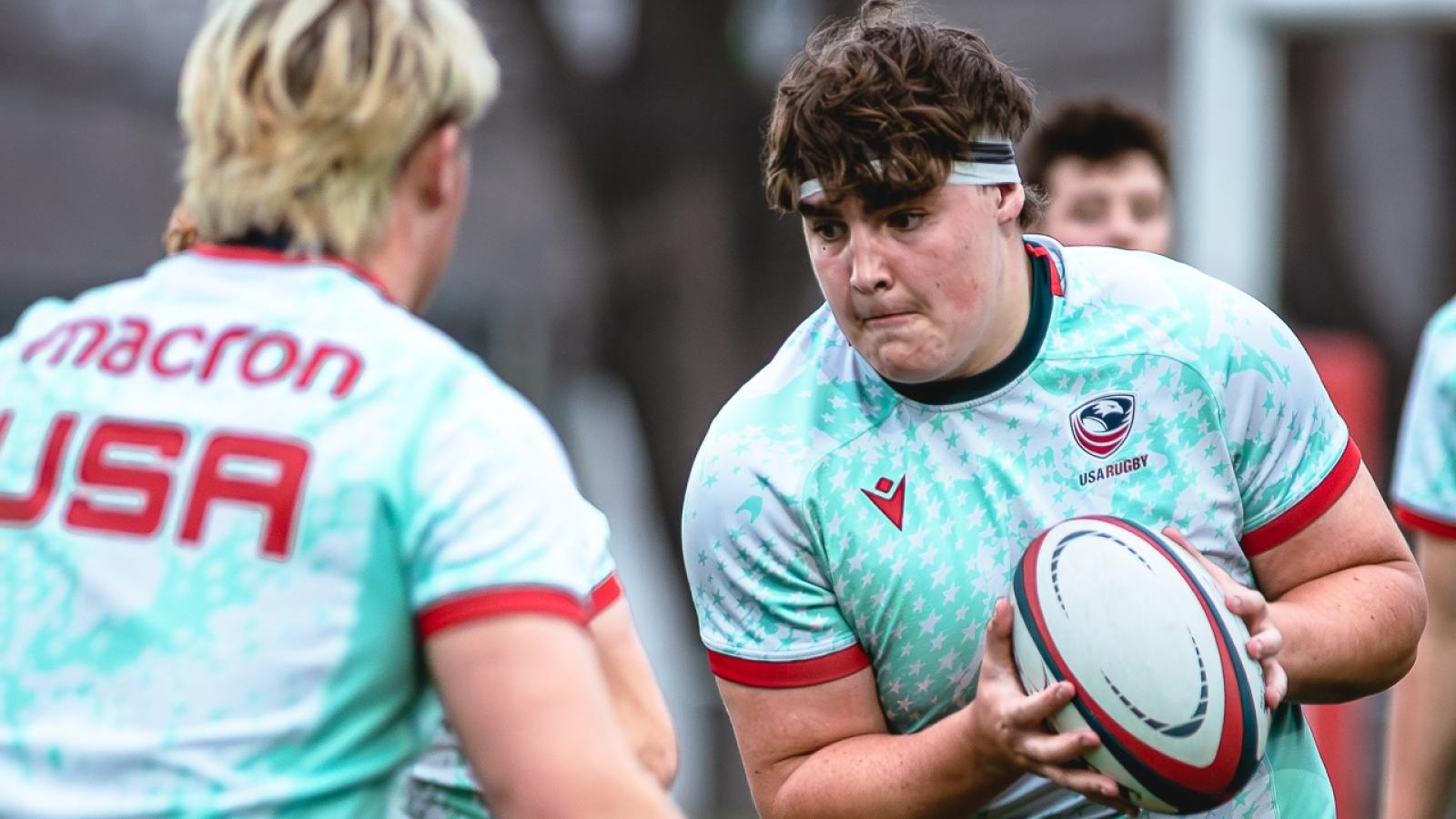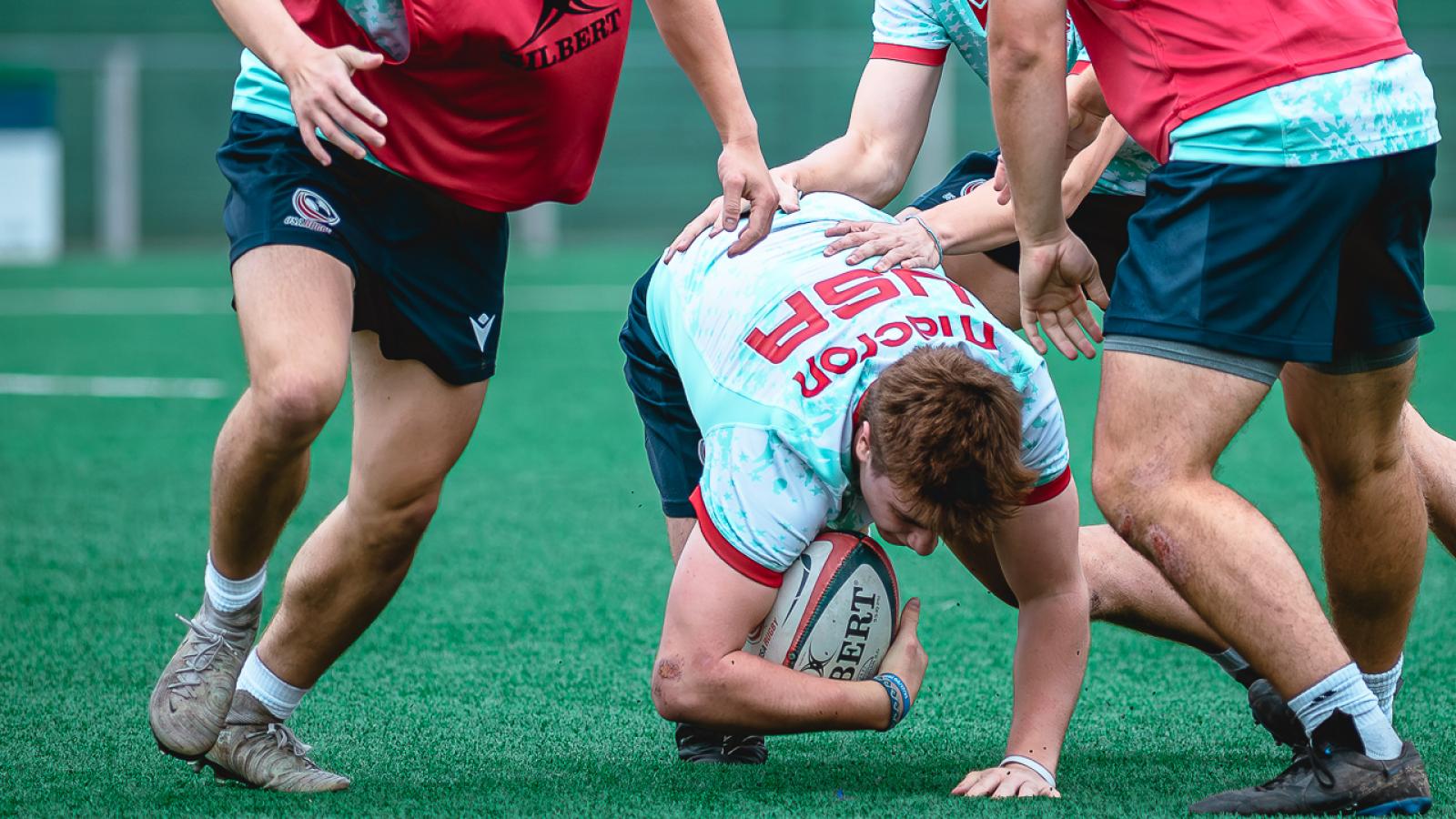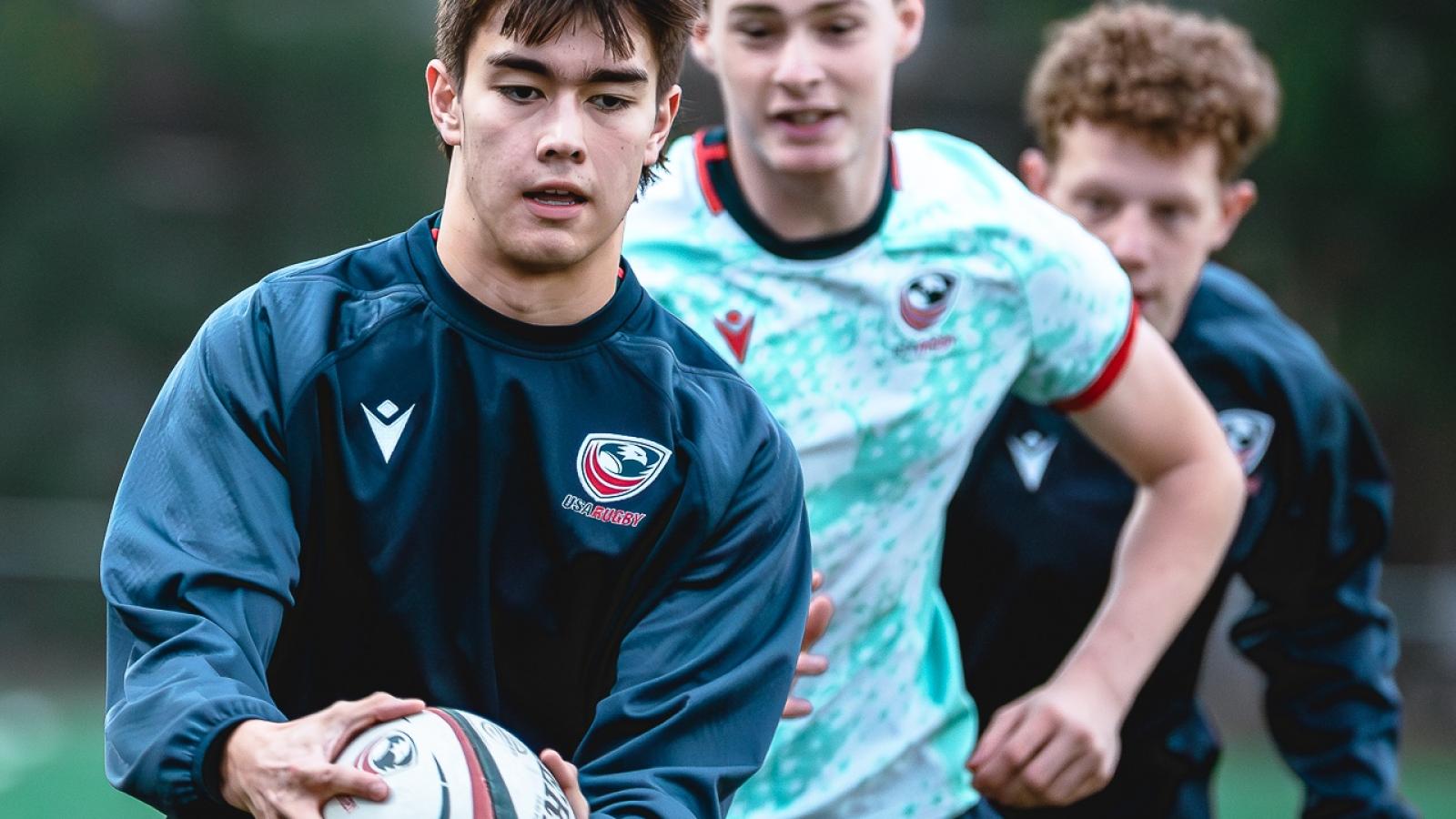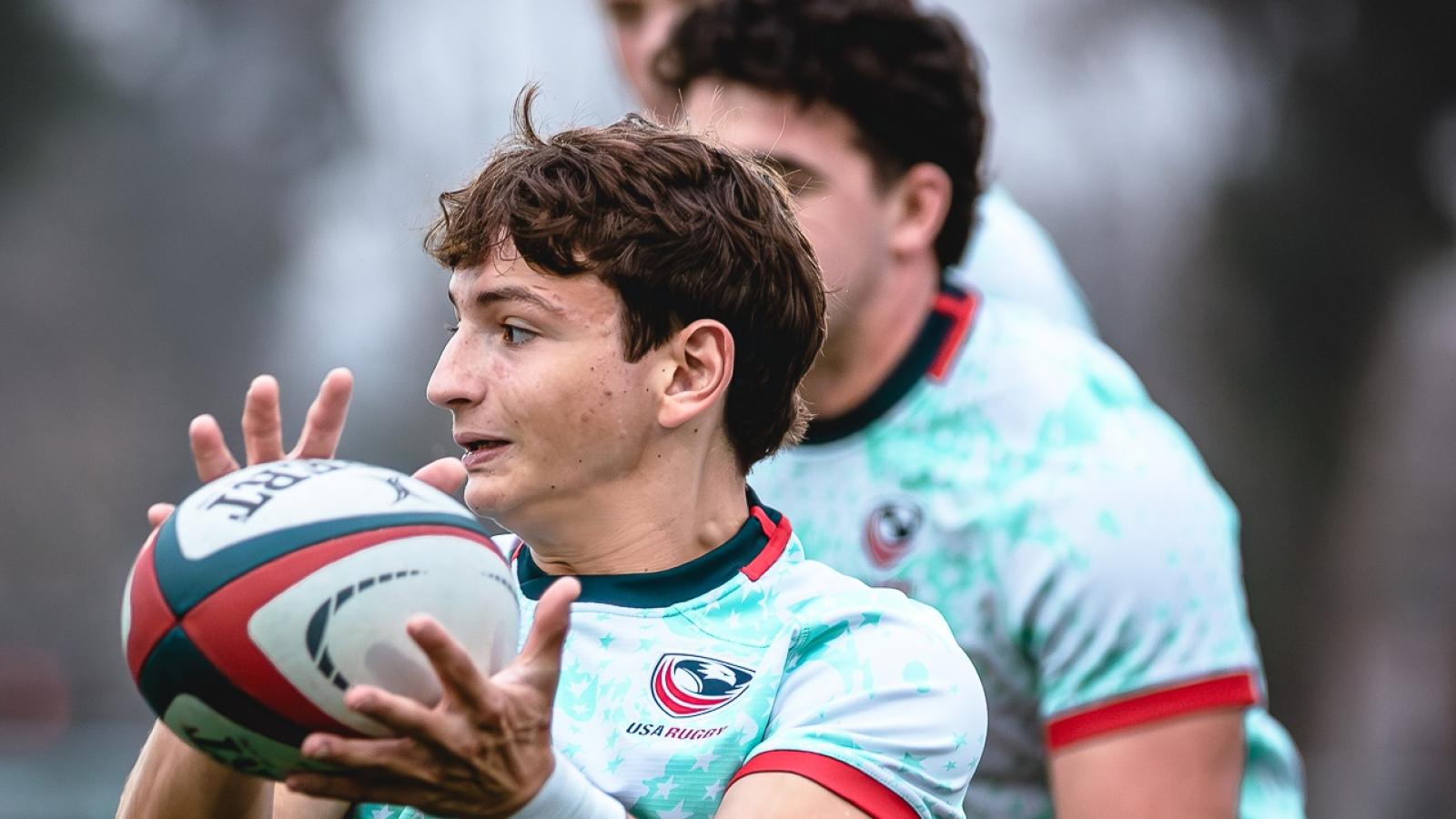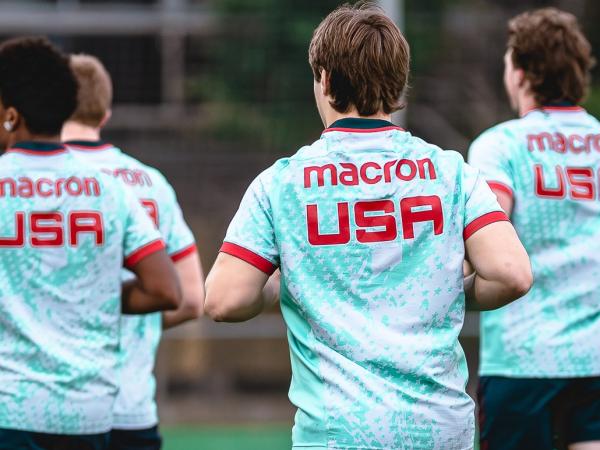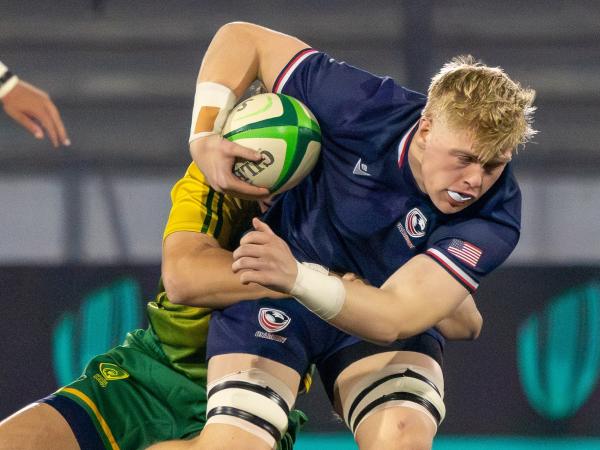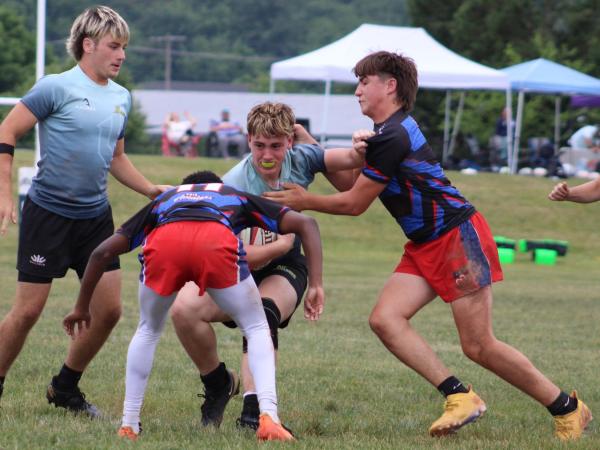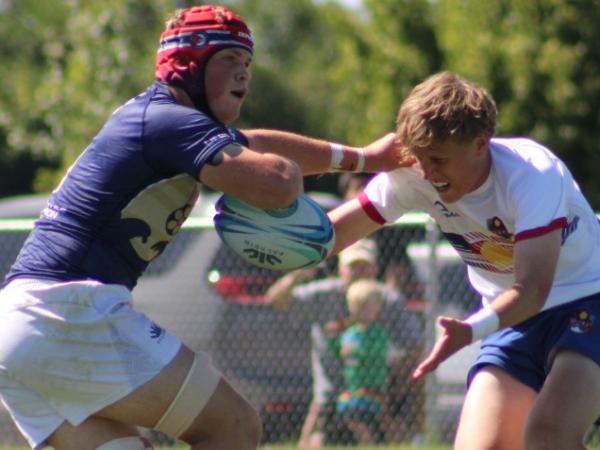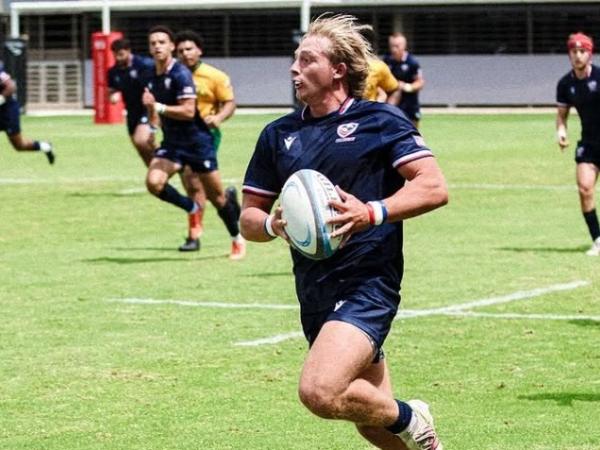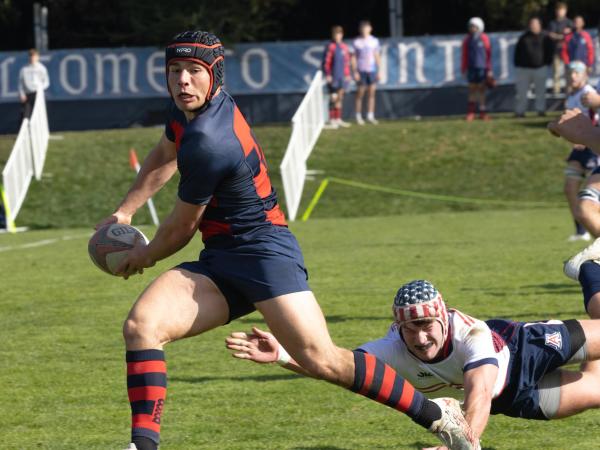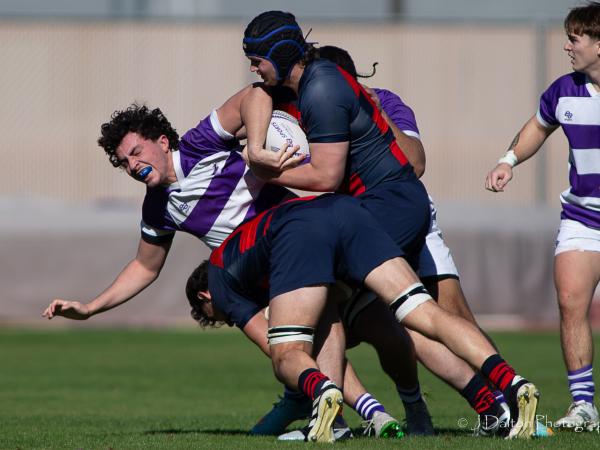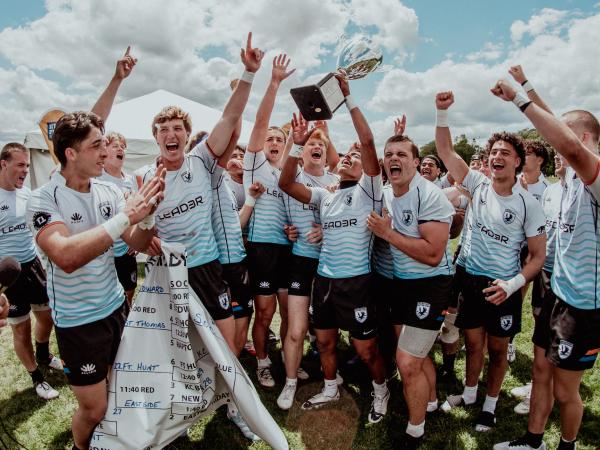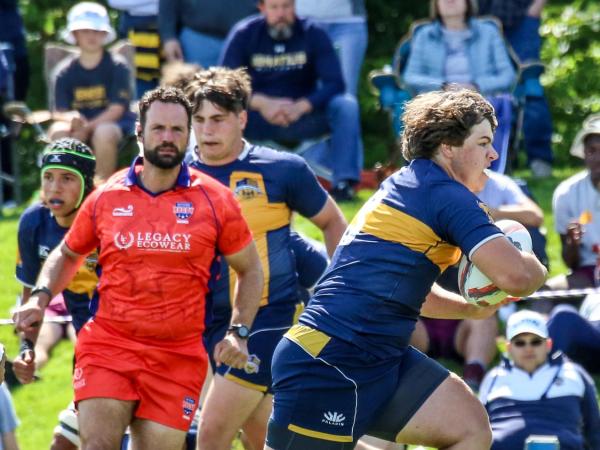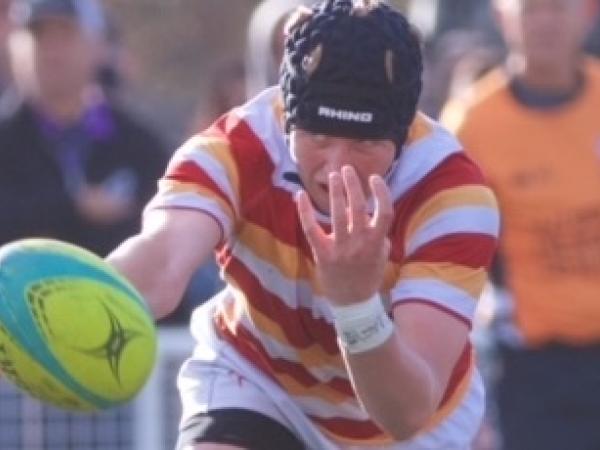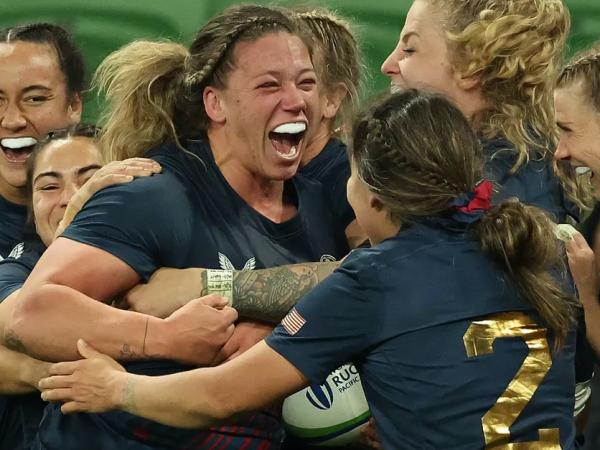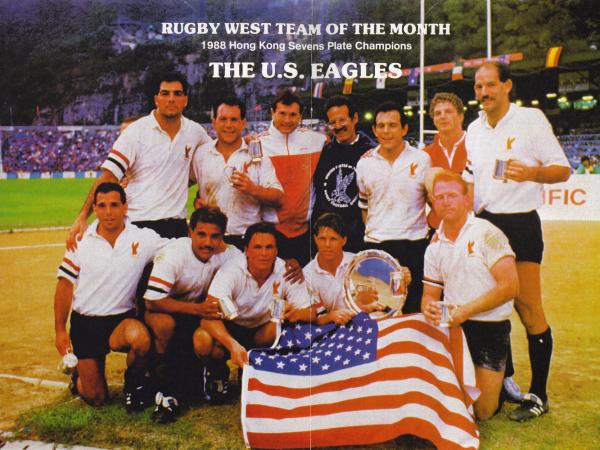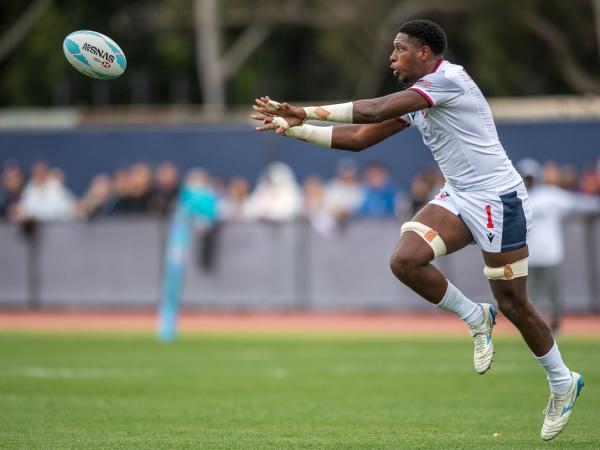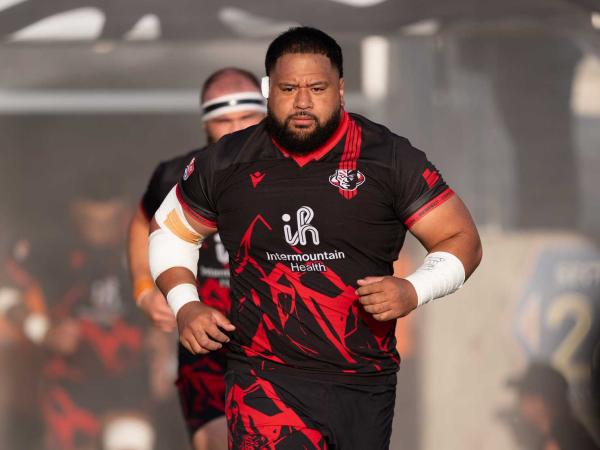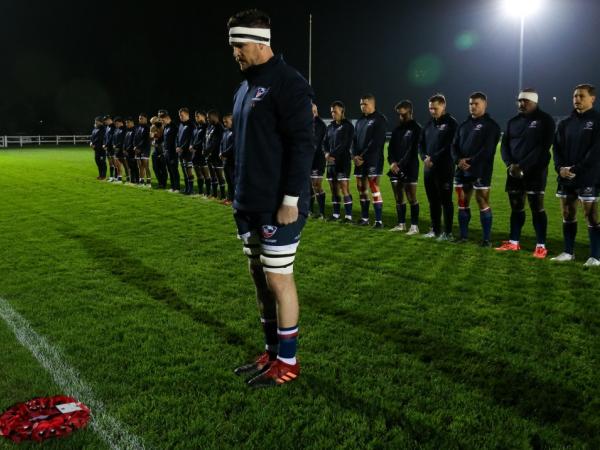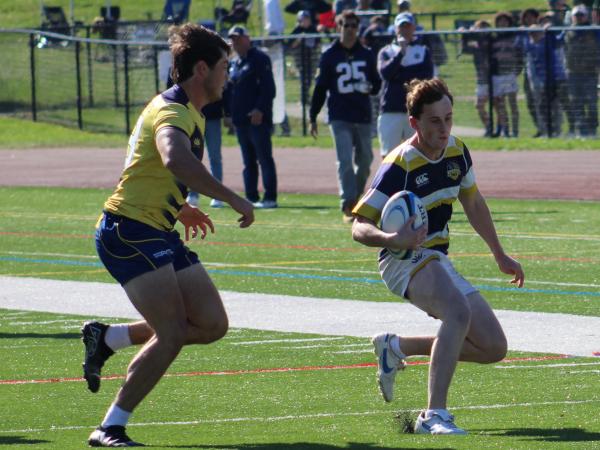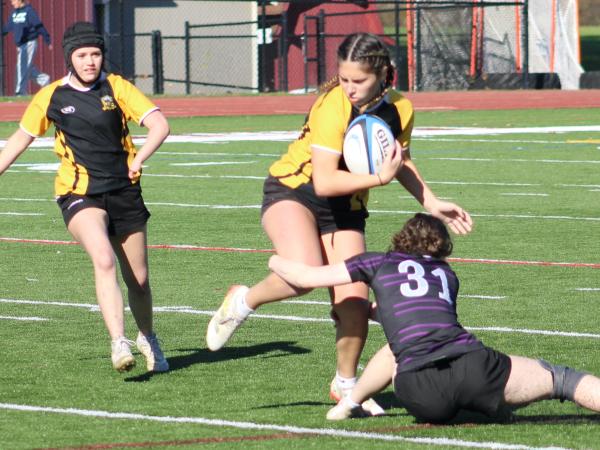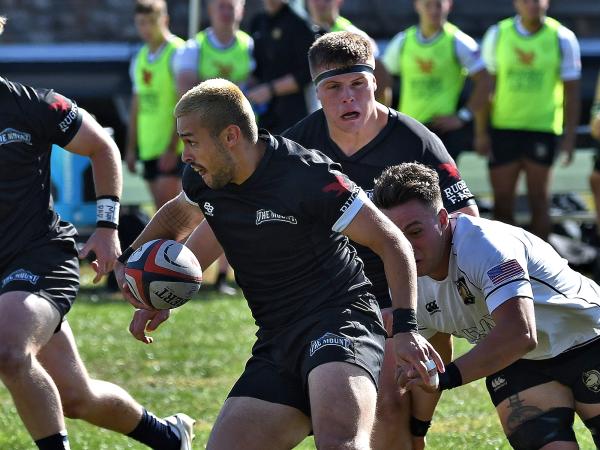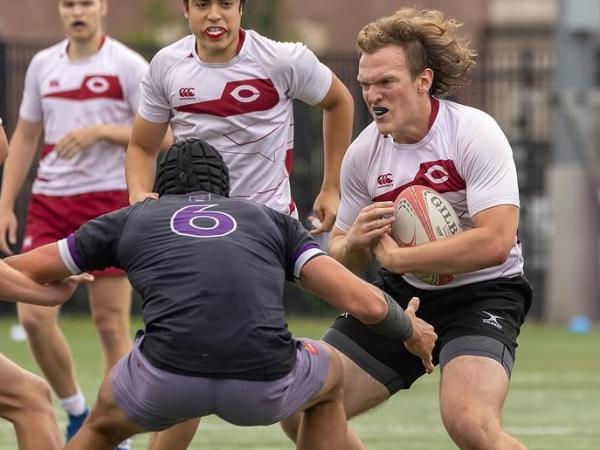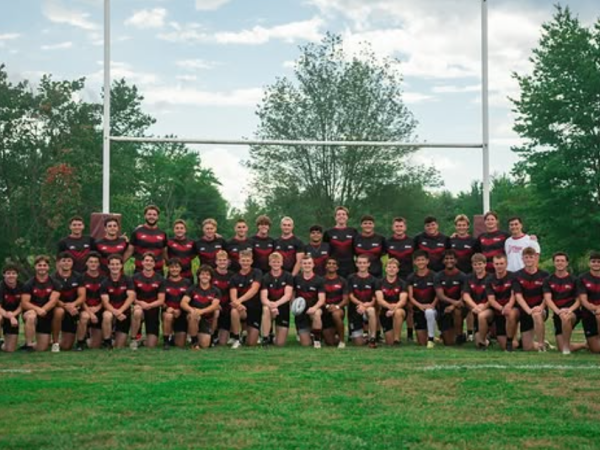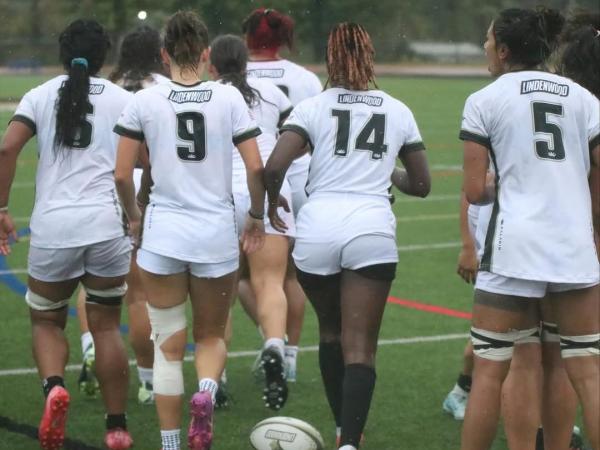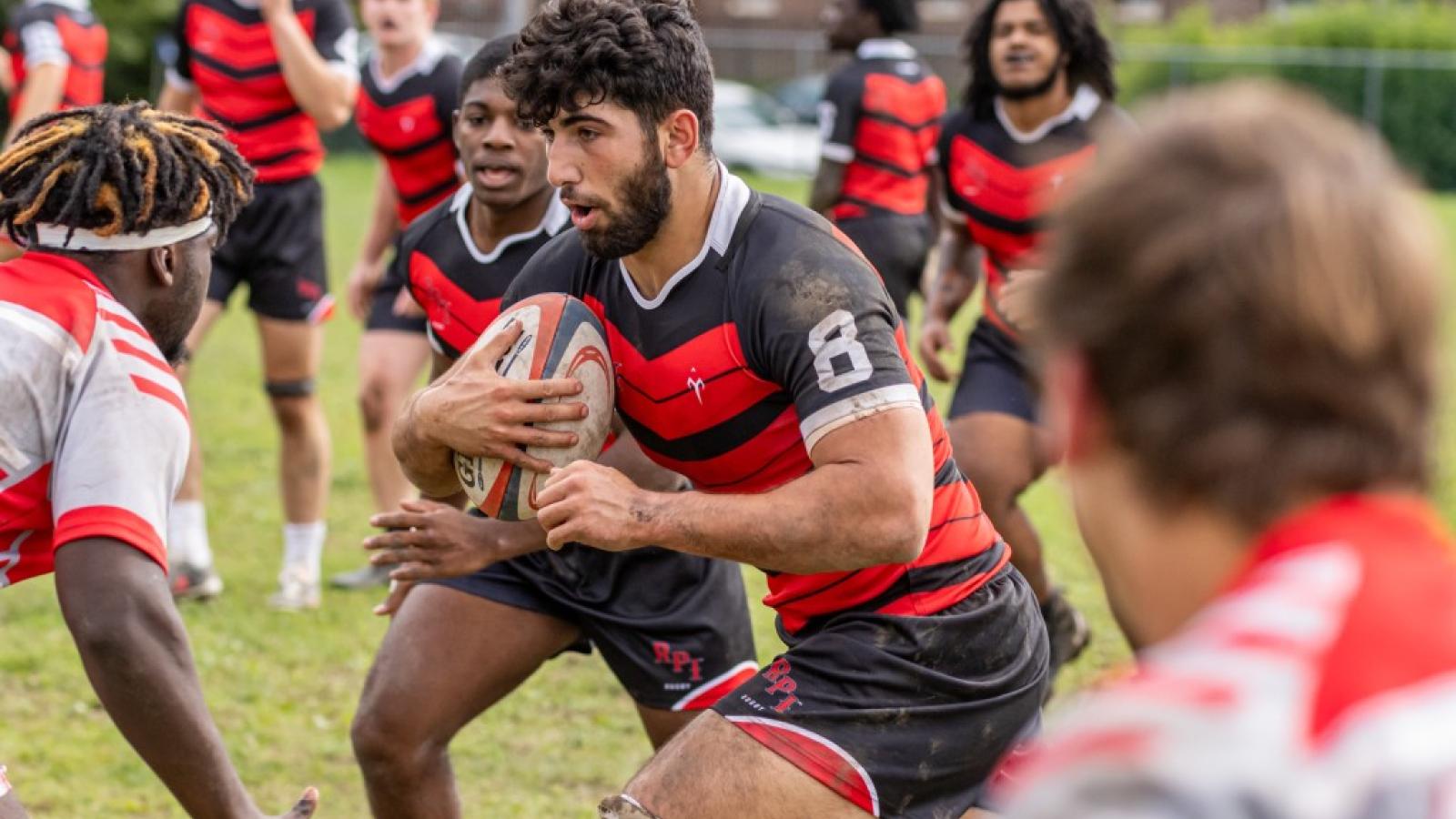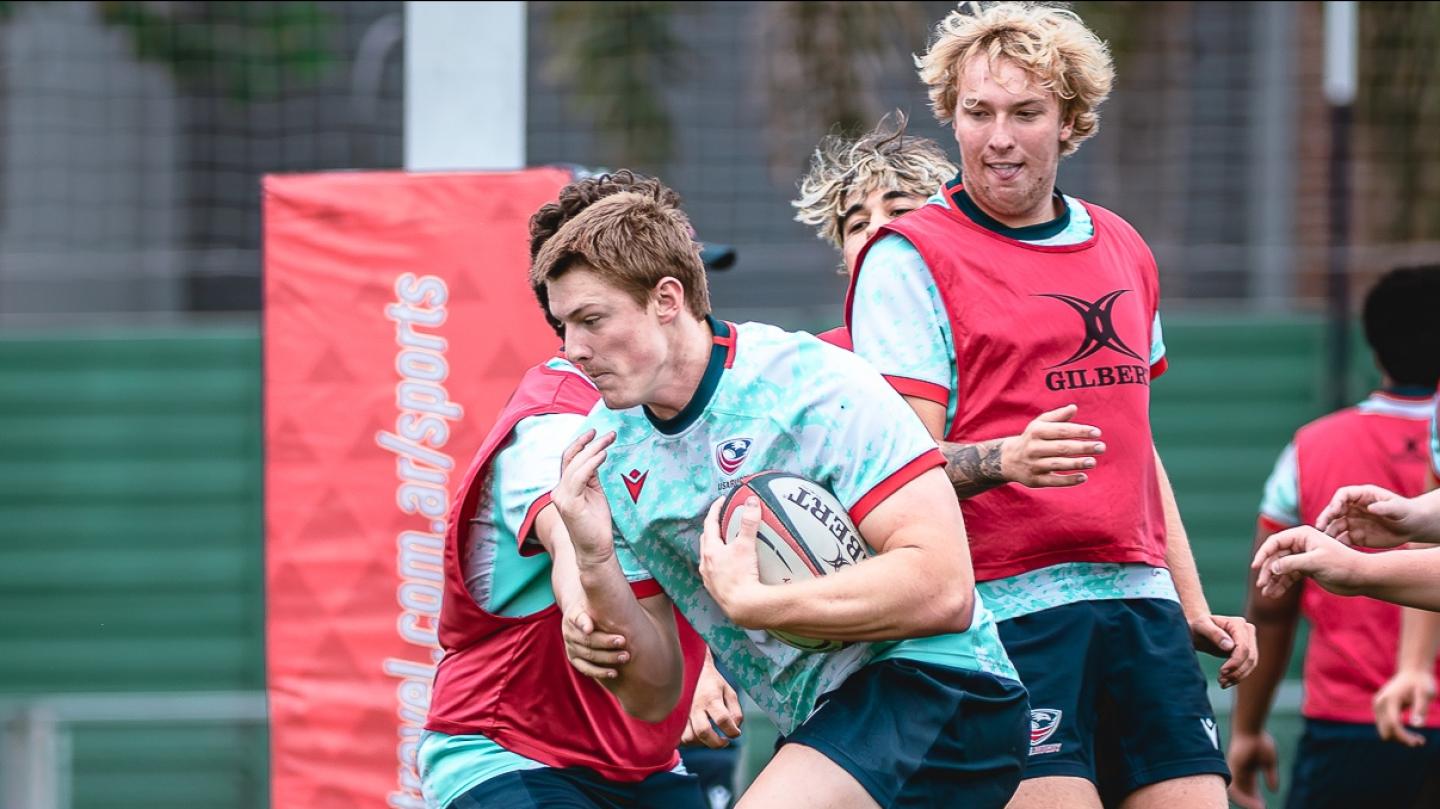
The USA U18 boys team is back from their South America trip with one win, two losses, and a lot learned.
The record shows that the USA team lost to Uruguay U18s 29-26, beat a Brazil age-grade team 36-26, and finished up with a 40-0 loss to the Buenos Aires Academy.
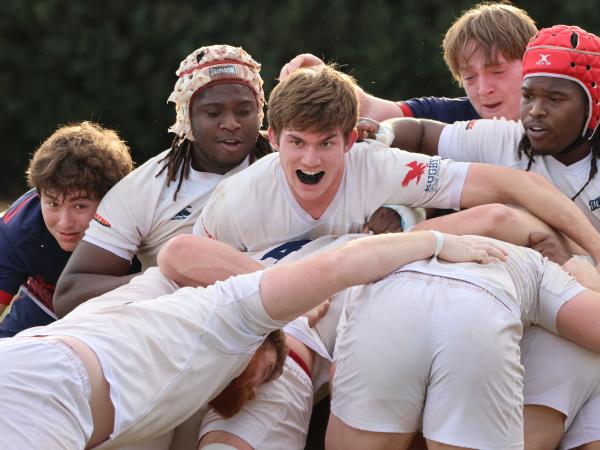
That first match was certainly within the USA team's grasp, and what was perhaps a surprise was how well the forwards performed against a Uruguay team with a reputation for strong forward play.
That game was an intense match throughout and, despite the loss, gave the team some confidence in what they can accomplish.
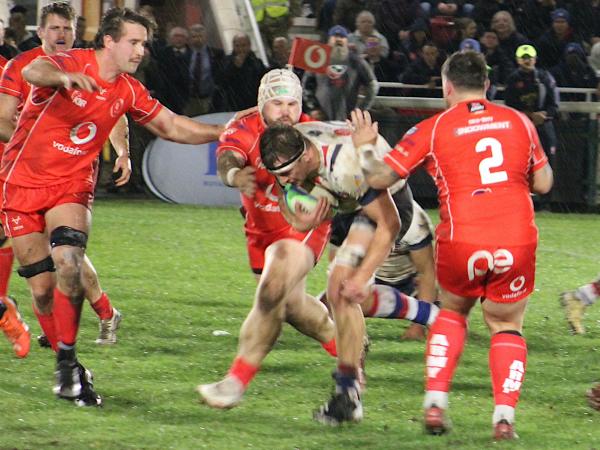
The second game, against Brazil, involved having the game pushed back several hours because of a scheduling conflict at the stadium, and then it turned out that the team Brazil fielded was not entirely U18. With some U20s in the lineup, Brazil proved a physical challenge that the Americans handled well.
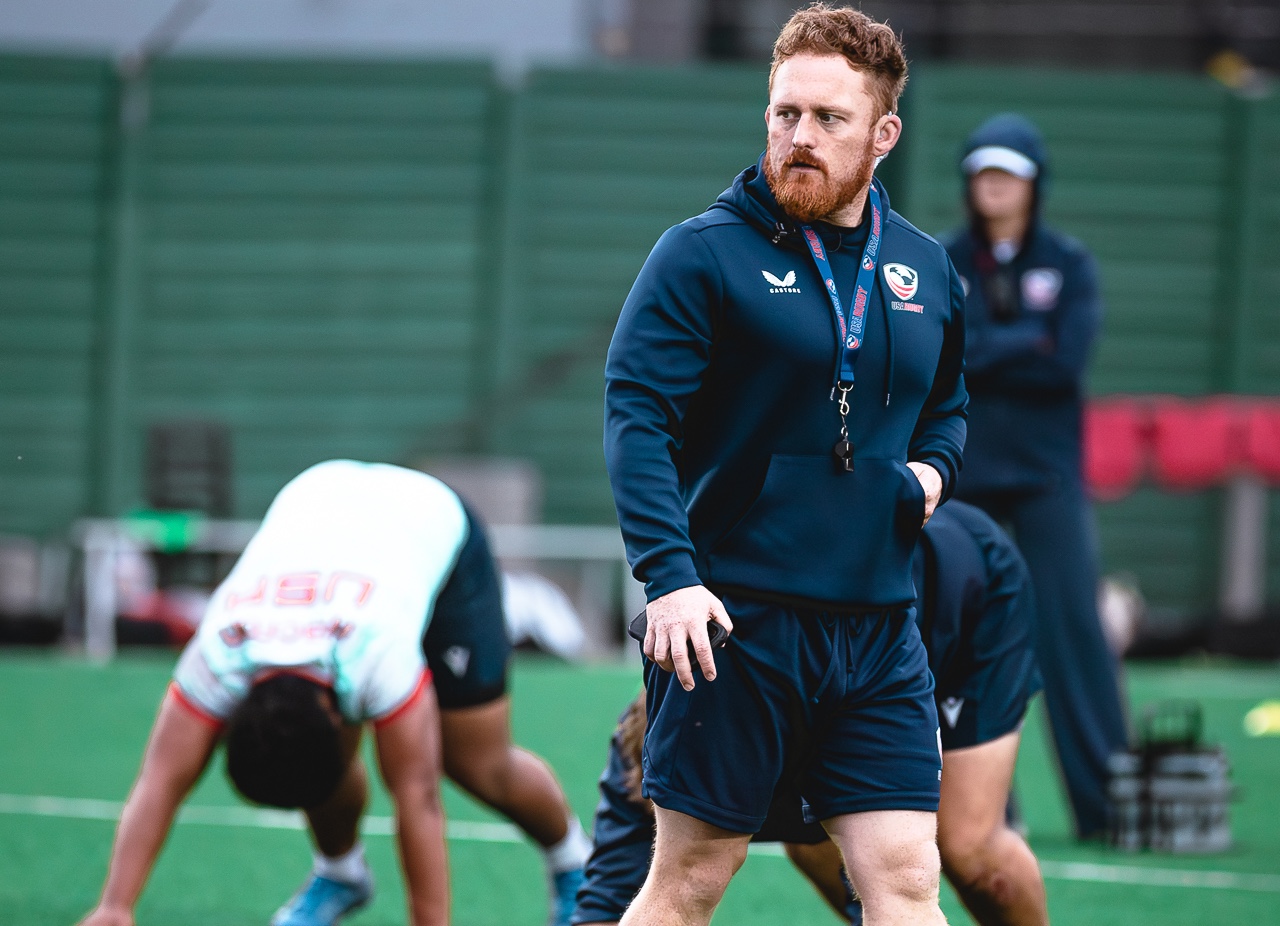
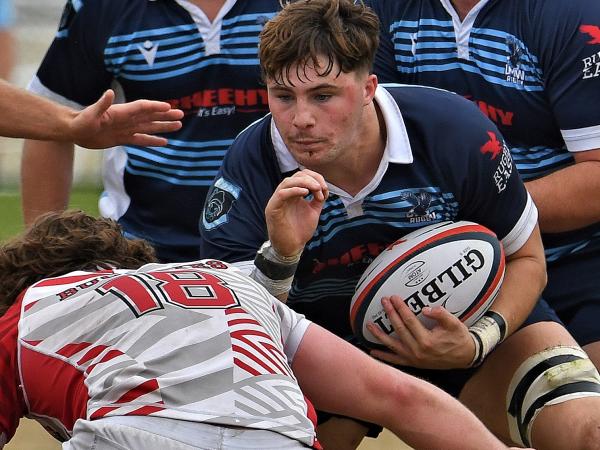
The final match was more competitive than the score might indicate. The U18s produced pressure, but couldn't quite finish. And the Argentinian academy system showed its strength, as the country doesn't really field a U18 national team, instead having players train and play on a relatively regular basis within their regions. Buenos Aires, of course, is the largest region and were polished, while the Americans found that they still had much to learn.
But there was so much more to the trip than that. As GRR mentioned earlier, the team took on the theme of the T-38 Talon airplane, which was the world's first supersonic trainer and has been used extensively by NASA as a trainer for astronauts. This fits in with the USA National Team Moonshot theme.
"When the players saw that theme they understood how we're part of the pathway, and I wanted them to know where they are in that Moonshot story," said Head Coach Luke Lewis. "They are learning, they are training. Astronauts learn mission pressure in the T-38. We are learning about pressure. The other part of it is that the T-38 is a two-seater, and it was important for the players to realize they are not alone. Someone always has your back."
With that tone set, the players responded well. In speaking to GRR, Lewis was effusive in his praise for the players.
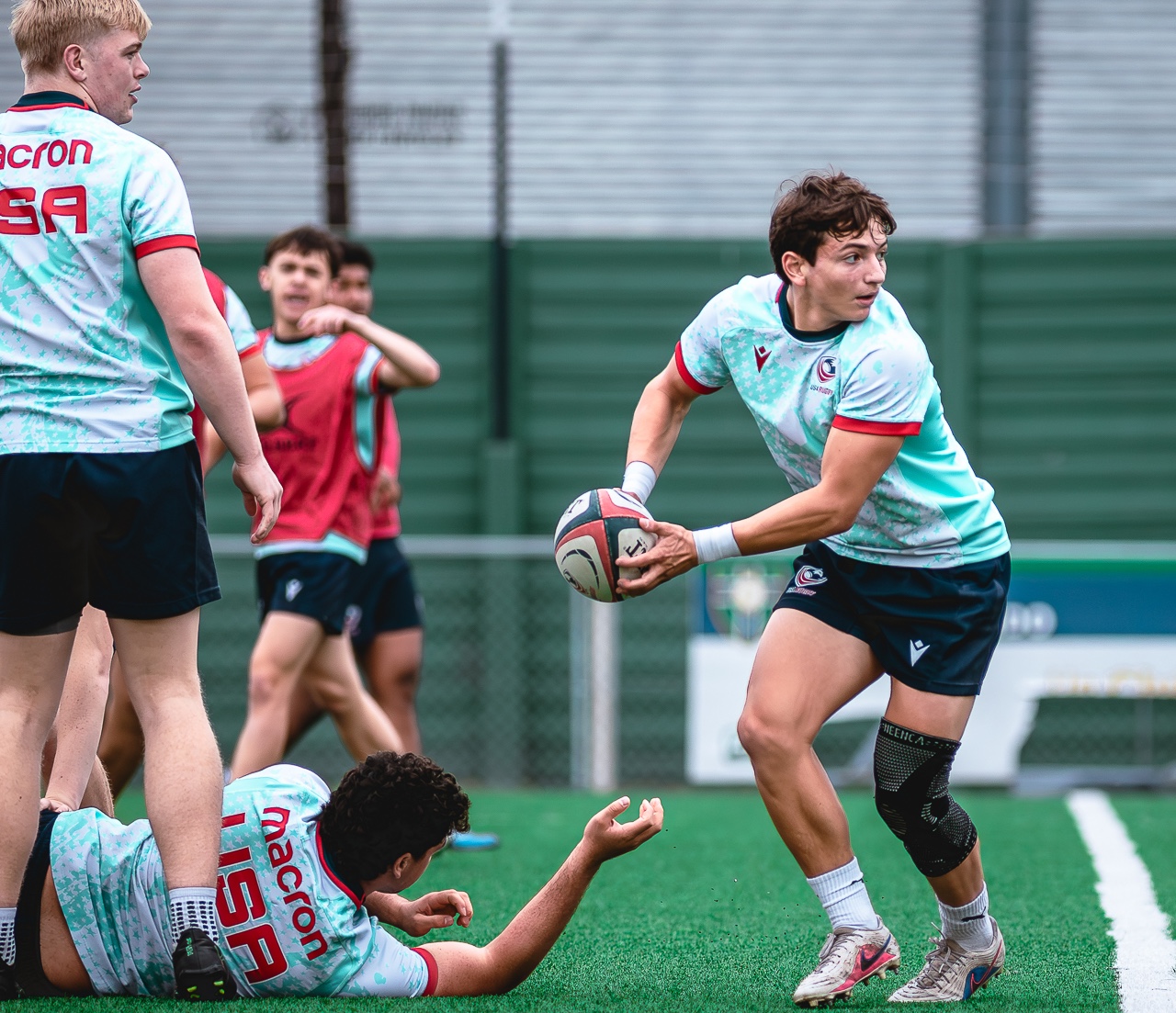
"This was my most enjoyable tour," Lewis said. "It was a great environment not just in the way we trained and played, but everything else. The boys said the same thing. We set a lot of standards, and the players understood this was a talent identification and development tour, but we also wanted to win. We wanted them to meet standards but also enjoy the process."
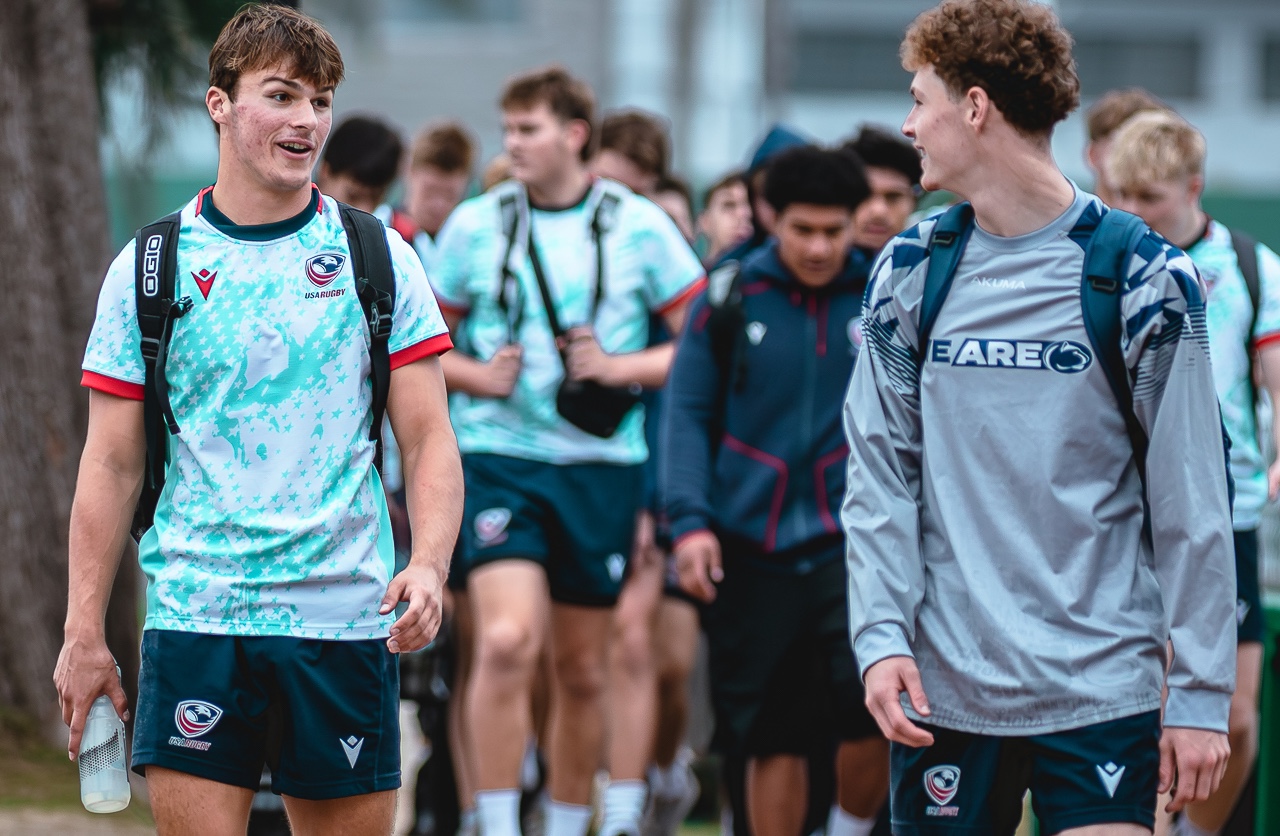
The result was a team that seemed to get along off the field—Lewis mentioned that in gatherings they were rarely on their phones. They had fun off the field and the squad was divided into mini-teams for small contests.
"We pulled a lot of players out of their comfort zones," Lewis said. "You might have a player who's a star player at his team at home and now he has to sing karaoke in front of a bunch of guys he does't know."
All of that translated into resiliency. Against Uruguay they battled back and could have won, but after the match were still positive and upbeat.
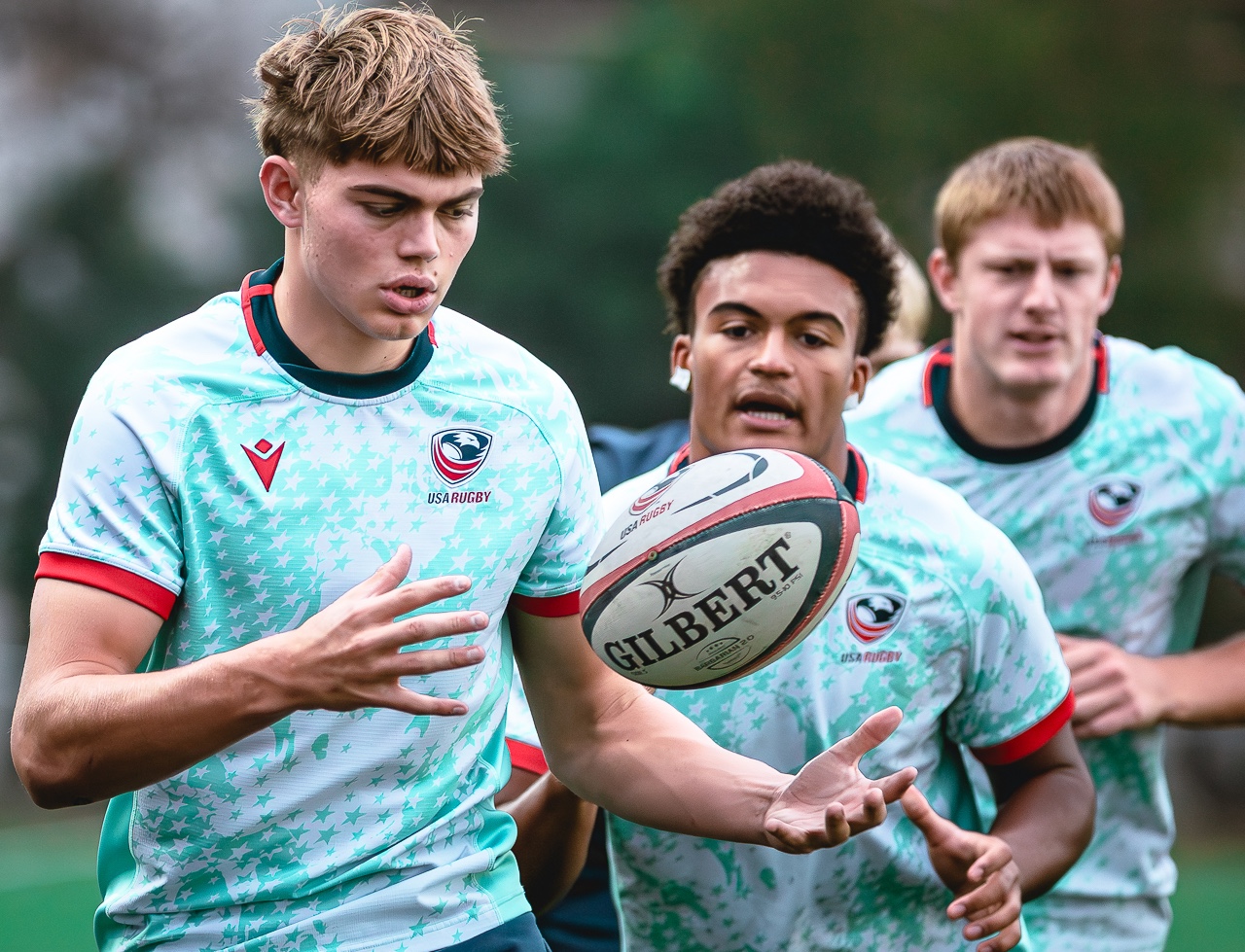
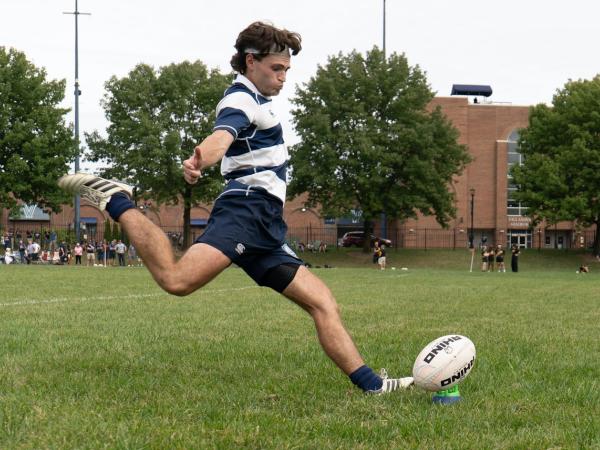
"What we learned in that game is that five minutes is a long time," Lewis said. "The mistakes we made on the tour weren't for lack of effort. They were more things that happen when you haven't played together. Our kicking game had produced so much for us but then at the end we tried to play too much out of our own half. But they had never been in that situation before and it was a good lesson for them."
High-pressure was the same with Brazil with the added up-tick in physicality. The USA team was tied at halftime, took what seemed to be a comfortable lead, and then saw Brazil storm back. Some goalline stands and some bounceback scores secured a tough win.