12.17.2025Eagles
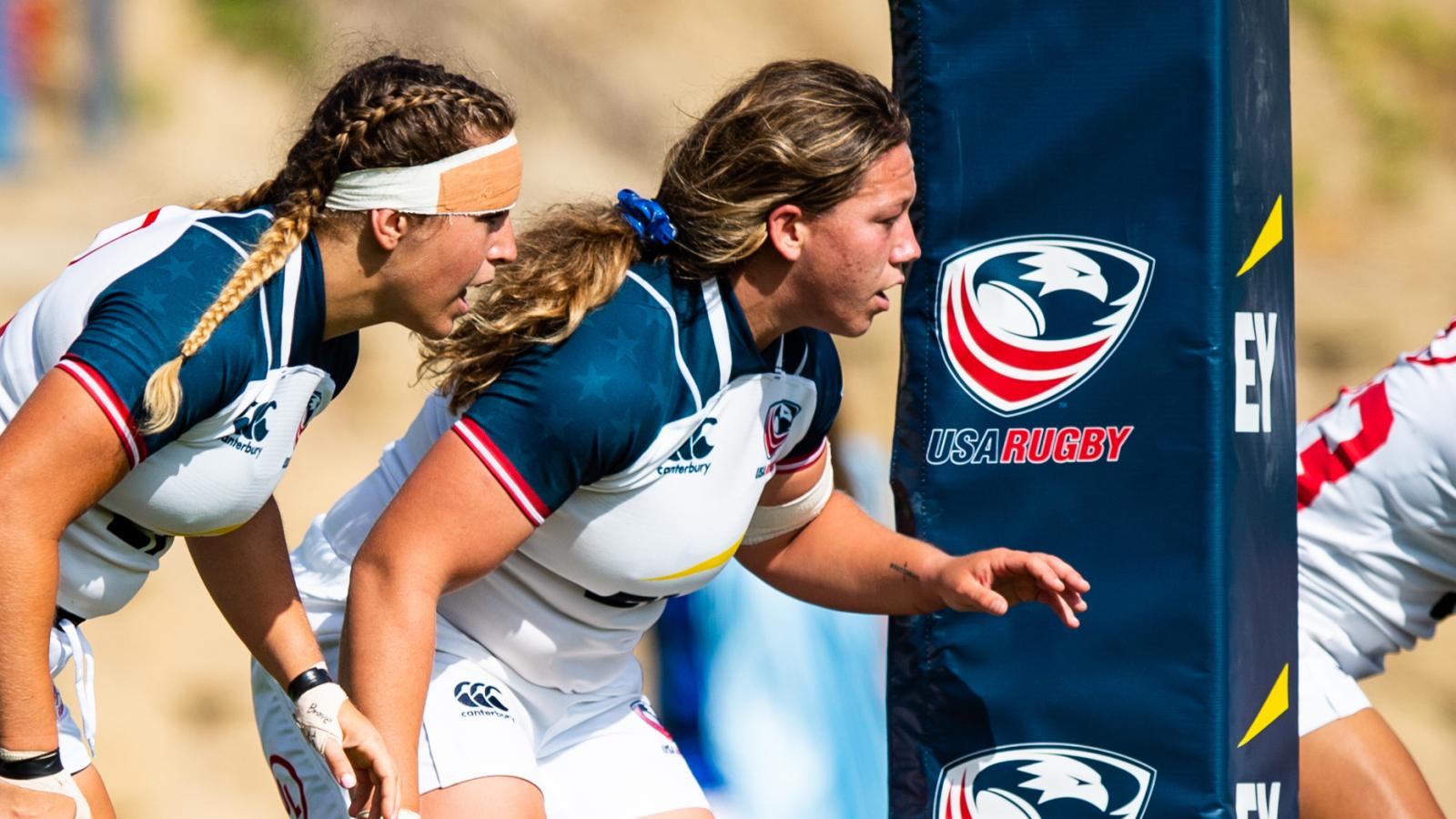
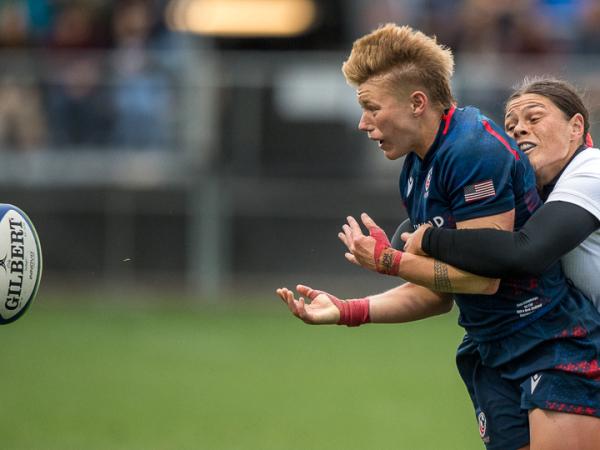
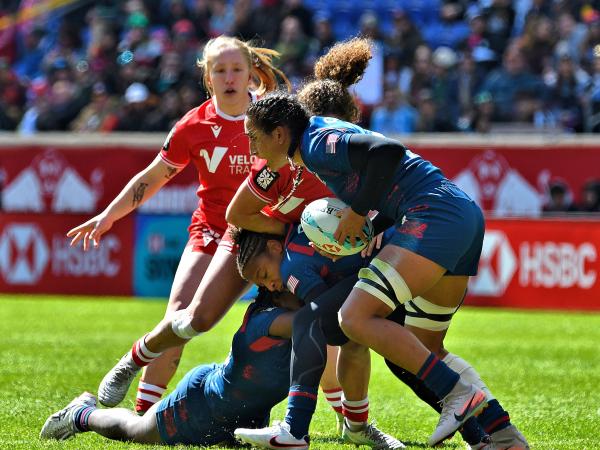
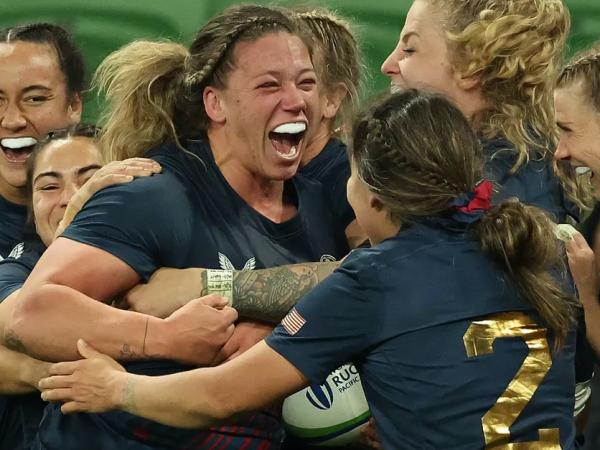
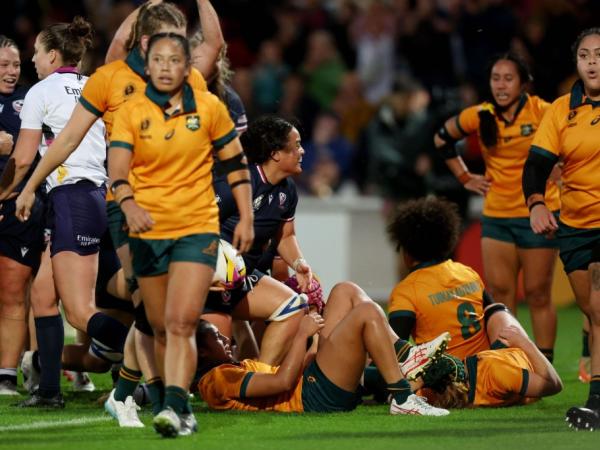
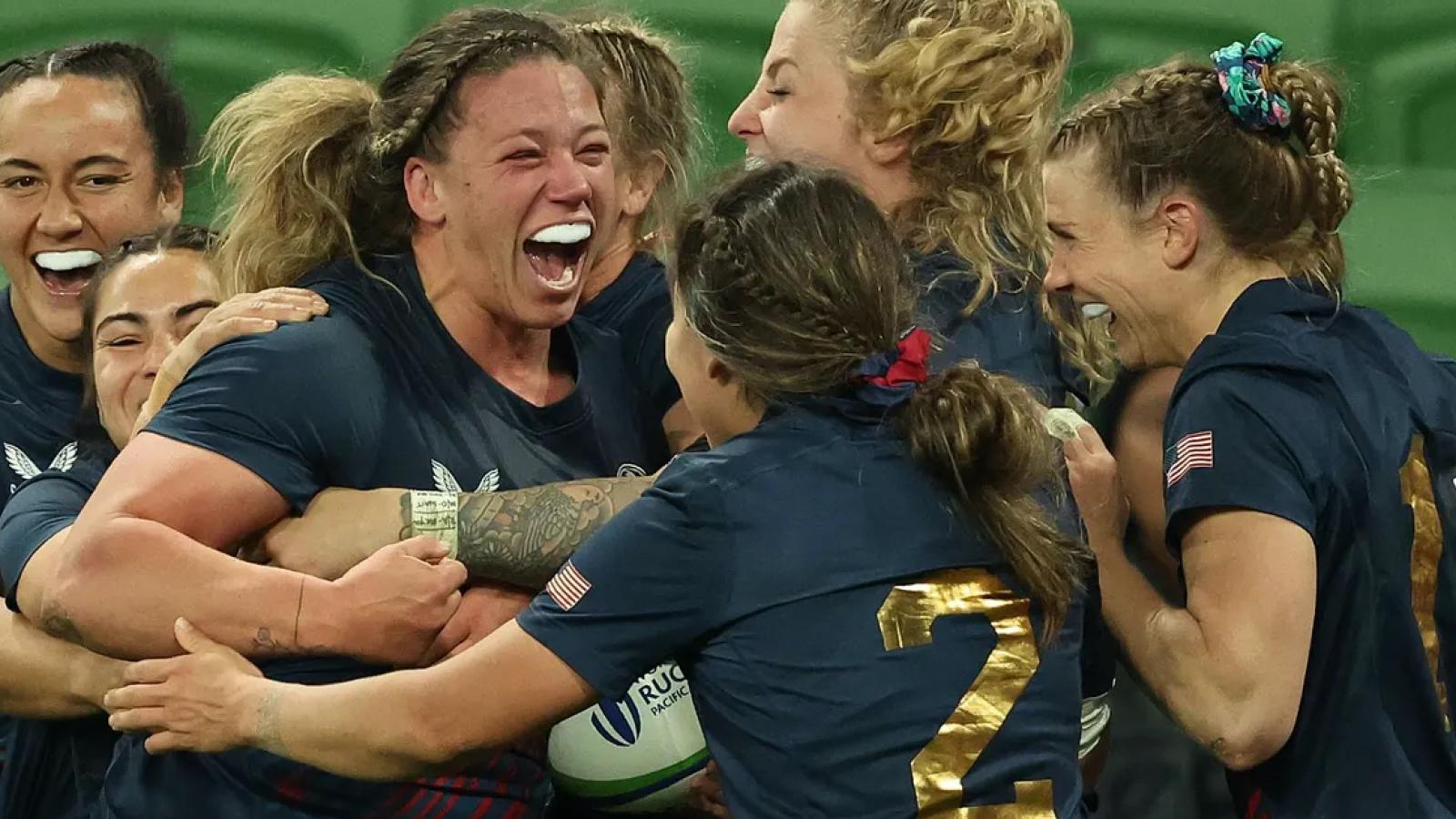
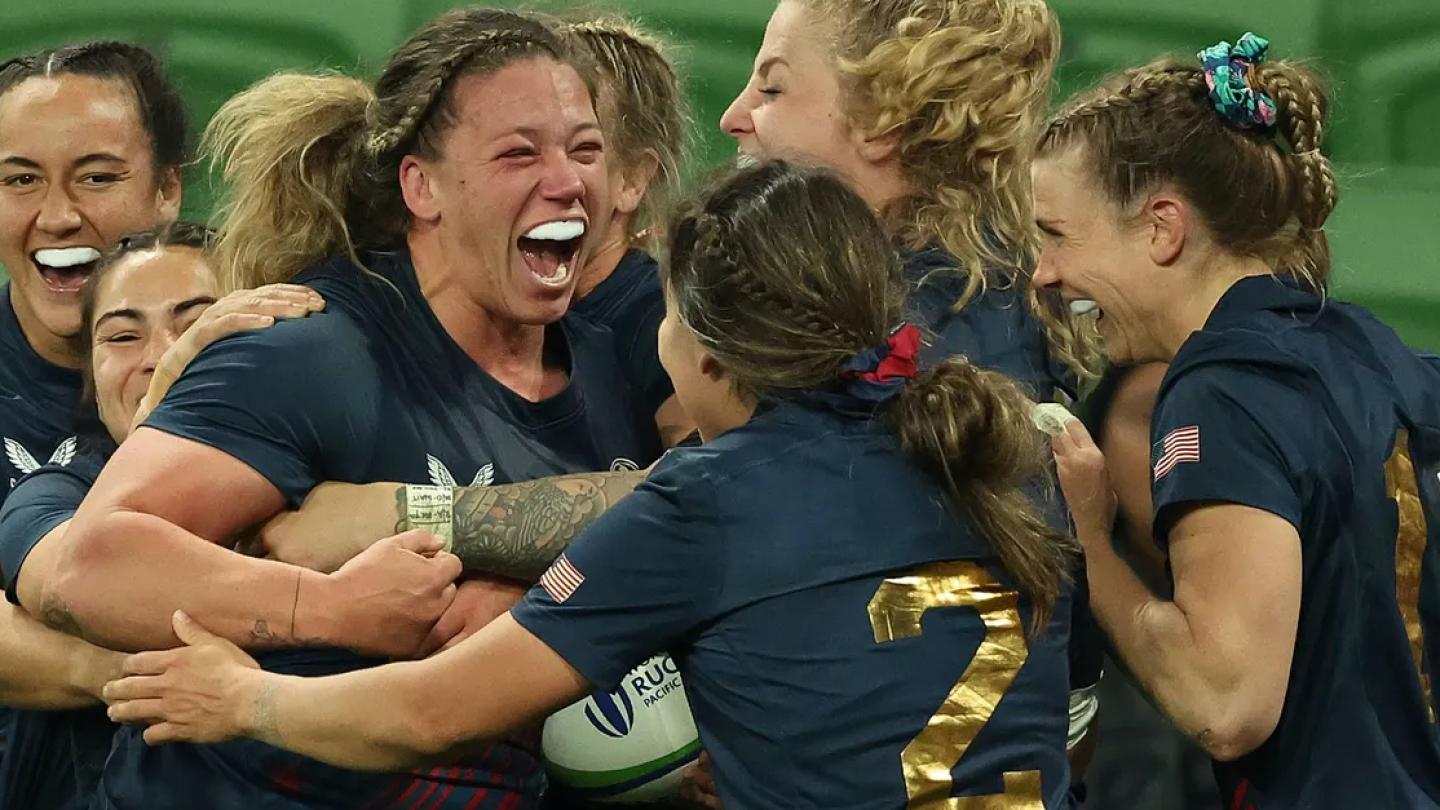
Hope Rogers is mobbed by her teammates after scoring the game-winner vs Australia in 2024. Photo World Rugby.
Author: Alex Goff

The USA Women's National Team have a new era to look ahead to, and a hugely important era, too.

The Eagles have hired Jack Hanratty as the new Head Coach and this is a chance to remind you that during the last, shortened, World Cup sequence the USA women had three different coaches. Continuity is important, and they will have that on a coaching level if everything goes even close to according to plan.

The Eagles also have a cadre of talented young players and some veterans who, as far as we know, aren't going anywhere soon.

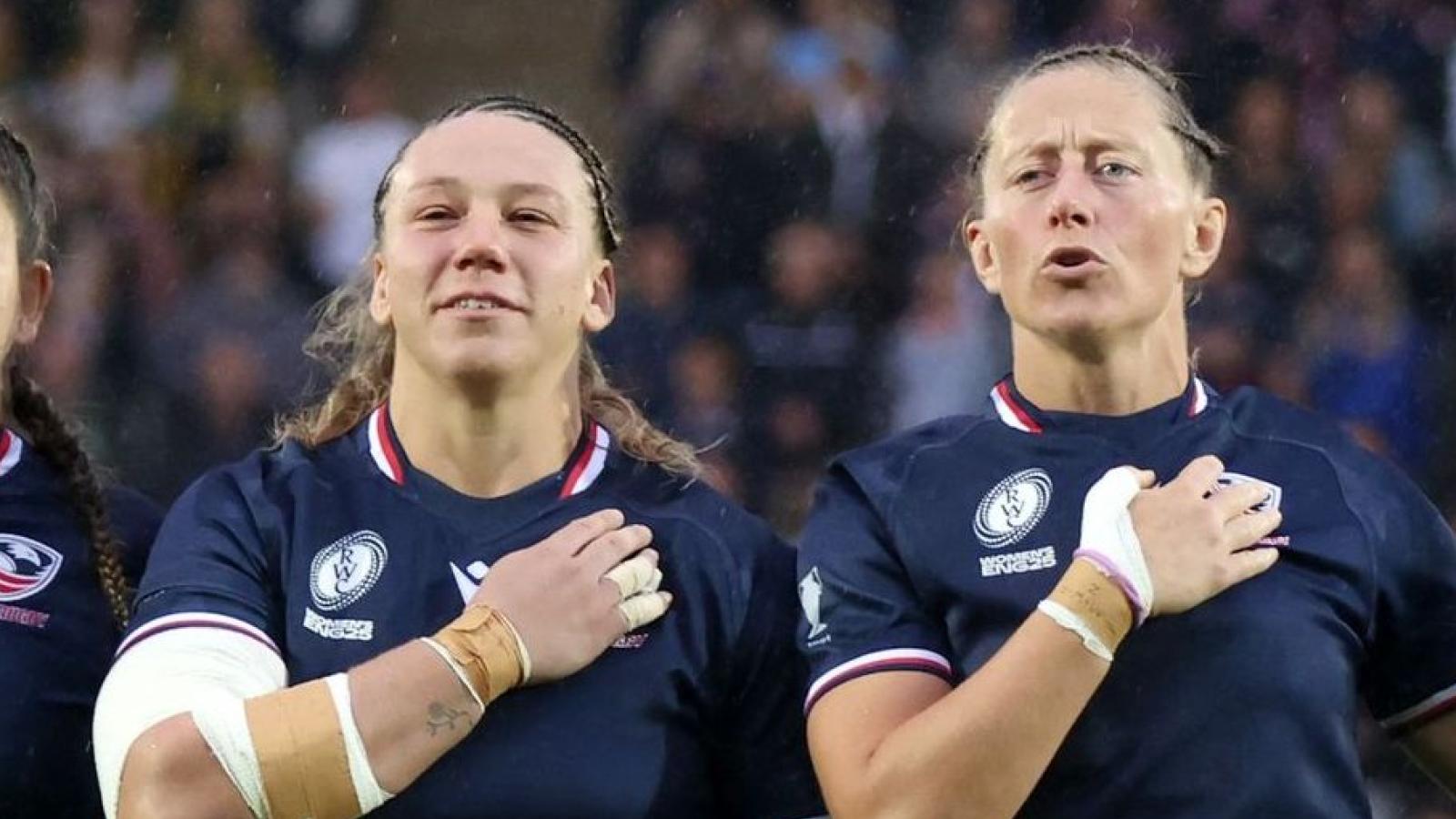
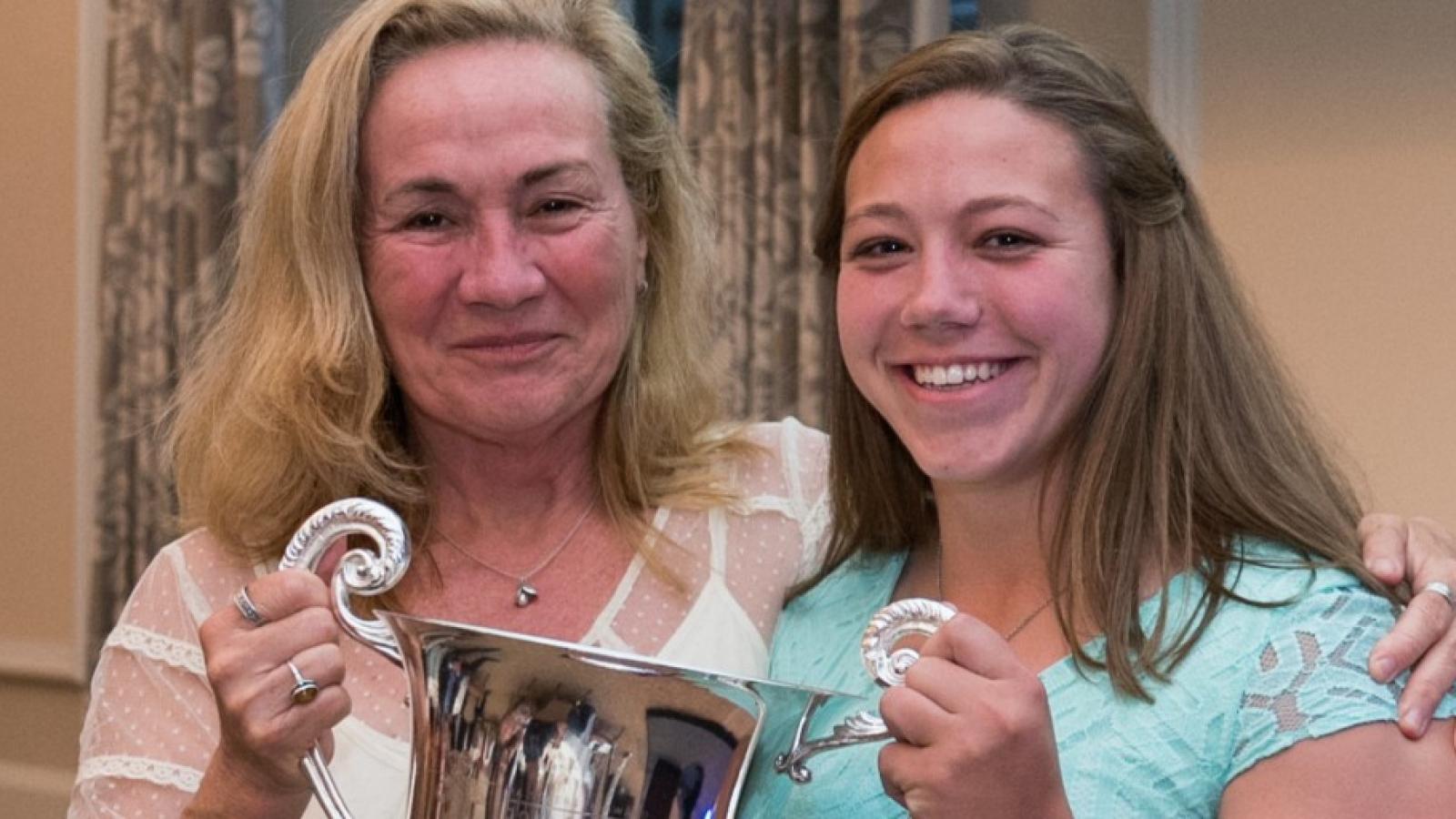
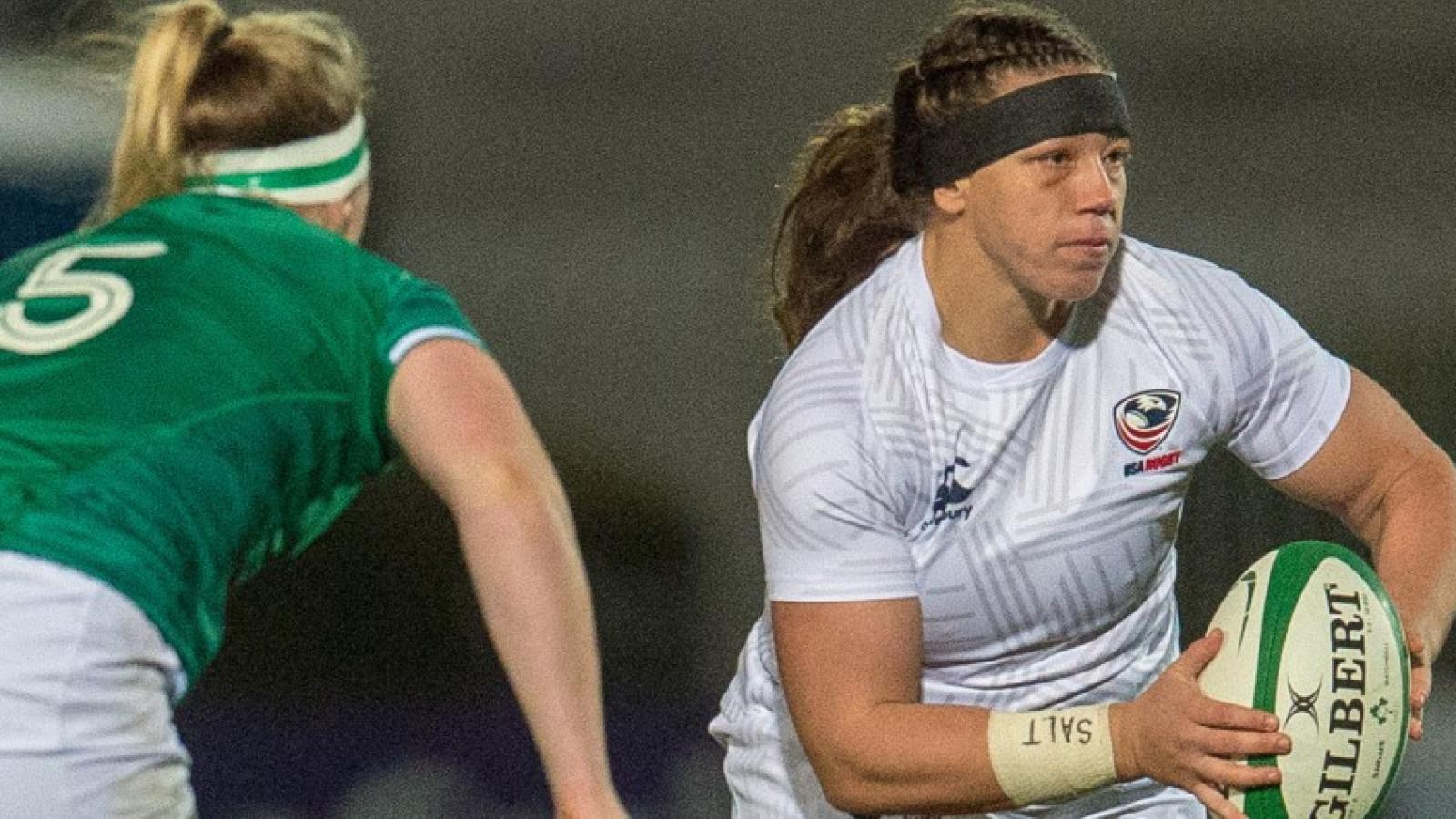
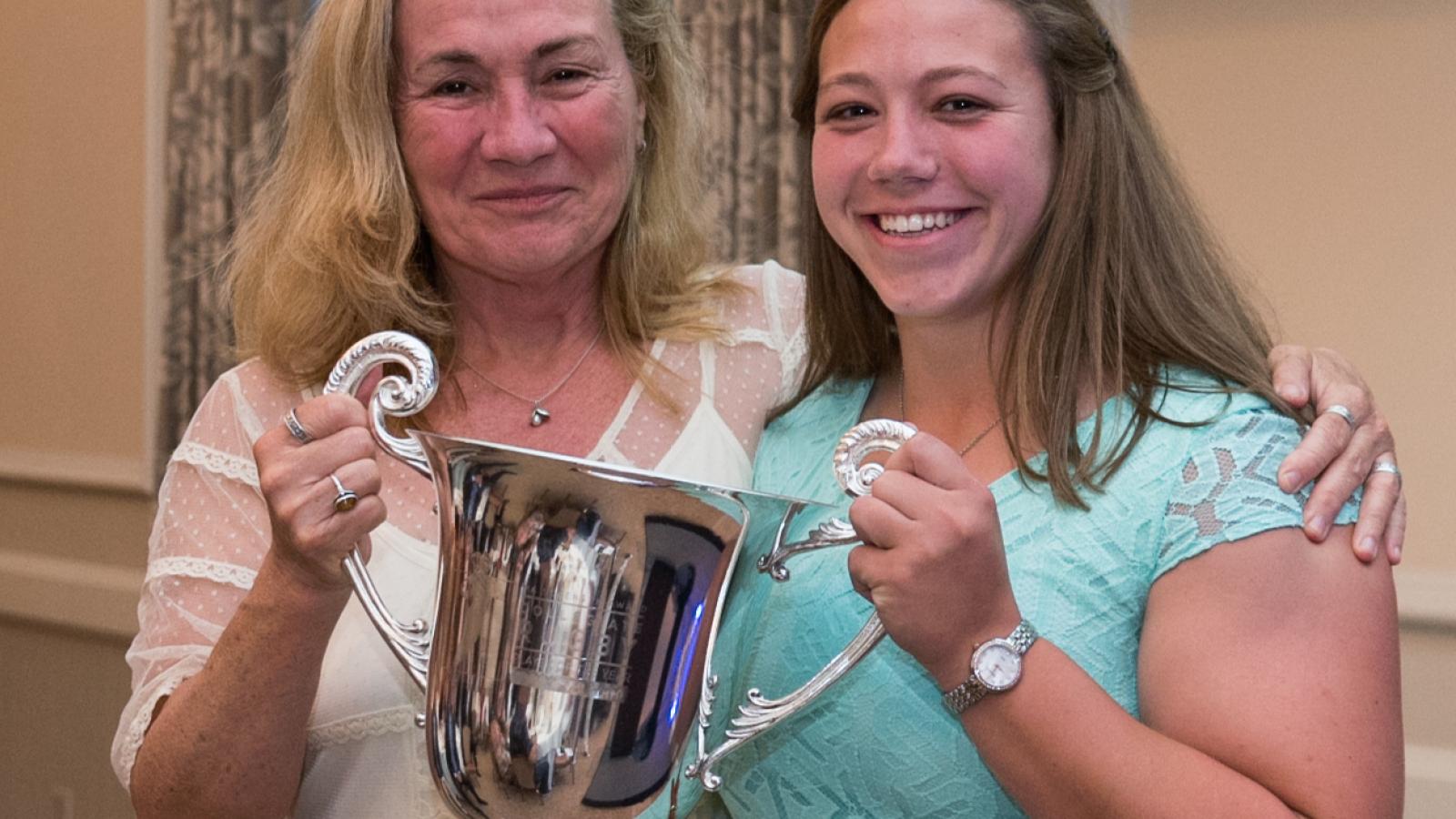
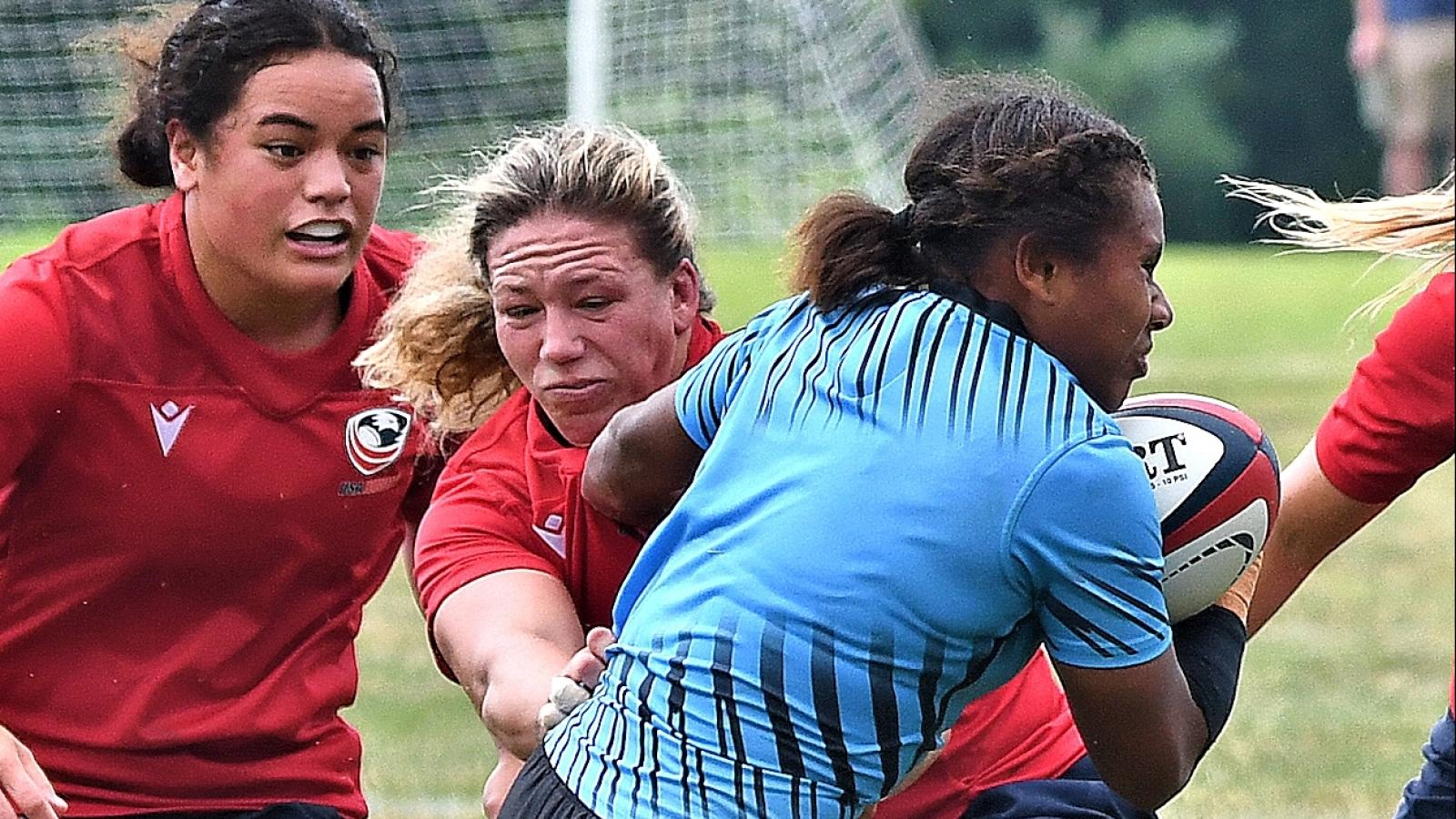
All of that leads us to a chat with Hope Rogers. The all-time great and still one of the best, maybe the best, props in the world game, the 2016 MA Sorensen Award-winner is the USA's most-capped player ever and is as patriotic, generous, and brave a player as you'd want.

We spoke with Rogers soon after the Eagles bowed out of the RWC 2025 and before Hanratty was named the new coach. Because a lot was going on in rugby, we didn't run this interview then. We wanted some time and a little context (new coach announcement), so our posting of this interview is now and it probably is more important and more useful now. In her own words, one of the all-time greats shows her commitment to the team, dedication her craft, and honesty.

Goff Rugby Report: I wanted to get thoughts from a veteran about where the Women's National Team is going, in terms of coming out of the World Cup, coming out of the last few years where results have been spotty on a team that has a lot of really great players. So I'm just sort of curious as to how you guys feel.

Hope Rogers: I think it's hard. One of our challenges, obviously, is having consistency. And I think that in our performance you see at times we're a World-class, top-four team, and then other times we have, for example, that loss to Japan—Japan is a good team and they're growing a lot, but at the same time, like you said, with the quality of players that we have, those should be must-win games for us and they just haven't always been consistently.

And I think, you know, one thing that goes along with that consistency bit is the lack of consistency that we have sometimes in our head coach and our staffing.

And I can't praise our staff enough. Our staff leading into the World Cup were amazing. They're World-class in so many ways. And I think what we need , as a program, is to have that consistency for more than just a year, year-and-a-half.


GRR: You're going to get a new Head Coach who you hope to be there for at least four years, but you also need consistency in assemblies and competition—and I think you're going to be getting that to a certain extend. How important is that?

HR: We want that consistency over four years so we can grow and build, to a World Cup and have a solid performance at a World Cup and one that we find success in because of that more consistent staffing. I think that's everyone's goal and I think that's our staff's goal and desire as well. I think [USA Rugby HP GM Tamara Sheppard] is on board. I think everyone I've spoken to is on board with want, wanting a consistent staff. It's just about making that happen.

Ever since World Rugby put the Pac4 on our schedule. We've been consistently getting games. So I think that's something that obviously we just want that to continue. I wouldn't say necessarily that we need more games in a year. I just think we need the consistency of those international games in the year. Because in the last two years, two, three years, we've been getting around 10 international games in a year. And that's, I mean, that's a lot, to be fair. And then with a lot of us playing in the PWR, getting that high level of competition at PWR and then playing in those international games.


GRR: Are there difficulties in playing in the PWR and then playing for the USA compared to playing maybe in the, in the domestic comp, the WER, or is the trade-off good? 

HR: There's not been any conflicts yet. In terms of international schedules and the PWR, obviously the PWR will rotate a bit more around England's schedule because the competition is their league and so operates a bit more around the Six Nations. So I only think there's been one year where, with the Exeter Chiefs, we made it to the final and we missed one international game at Pac 4 because we chose to stay and play in the final for Chiefs that year. And then we came over and joined the girls then for the other two games at Pac 4. So there's really, at the moment, issues with that. Whereas the WER obviously it's still growing and building as a league in the States. But yeah, it's just still, trying to get that level and that quality of rugby, to a high enough degree and, potentially, hopefully, get it to one day where you're getting paid.



GRR: I saw you in DC and somebody asked you about getting 50 caps and you teared up a little bit, and I thought that was pretty moving. For you to show how much you care about playing for this team. You, you, I, I think you still have that passion for it.

HR: [Laughs a bit] I'm, like, getting choked up now actually. I think to be a part of something for 12, coming on 13, years. It's obviously special, no matter what it is. But to me, rugby is a passion and something I love doing. And to be on this USA team for, you know, 12 years, I think it's just become something that I obviously I care a lot about.

So wanting the program to be successful has become like part of my mission and my passion within, you know, not only do I desire to obviously make the jersey better and trying to help redefine what a World-class player could look like, and striving to be those things in my own personal game.

But as far as a team standpoint goes, like I said, it's one of my goals that in the next few years I can look back on the team and be jealous because I want the girls to have a consistent, steady staff, and a quality staff. I want them to get paid regularly and get a pay where, you know, they can don't have to work other jobs.

And I want all of those resources and I want it to become fully professional, and I want to be jealous of that in the future. So part of my goal is to try to progress the team as much as I can while I'm a part of it, and, hopefully, whenever I do decide to hang up the boots, look back and be jealous of that.


GRR: You are you know, one of a group of World-class players on this team and there are some other very good players. But I, I think there are some players who don't know the jump. They don't know quite how much the gap is and, and the effort level required. I mean I, I asked a question of Sione Fukofuka and Kate Zackary, basically asking 'is there anybody who puts in the effort that Kate Zachary puts in?' Kate didn't want to answer that question. She was embarrassed by the question. But I personally see a big gap between how hard you work, how hard Rachel Johnson works, how hard Kate Zachary works, just to name three. Compared to some other guys.
Without singling anyone out, I just think there are other players who understand there's a difference between getting to play international rugby and being really good at it, and sometimes people don't quite understand how much it takes.

HR: Well I think some of that just comes with some of us being able to be around for a bit longer like the people you named. We've been around a bit longer. We've had the opportunity to play in the PWR where it is quite a high level.

And I think like part of it just comes with experience because you know, the level of rugby in the States at the moment, obviously there is a bit of a discrepancy between the club level in the States and the club level in, say, France or New Zealand or even in Australia.

So, you know, to go from playing in the WER or even playing at universities, which are starting to take a big leap, which is really good to see. It is quite a big jump. So I think there is always going to be a learning curve from players of you know, this is what it takes to be a World-class athlete.

This is the commitment involved and at the moment even being on the national team, we don't—we had those contracts that lasted through World cup and we're very grateful for those and it really helped us out—but the reality is, those are over now and we're back to going overseas to make money or working our regular jobs. So there's a bit of a balance between the expectation of a professional program and then allowing players to then be professional.

So I think if we can get that a bit more of a better balance and that consistency; I think what you'll see is you'll have more players that can have the opportunity to dedicate all of that time to it as well.

Like ... I want to be the best loosehead in the World, and that motivates me and drives me. And part of that is being the best loosehead for my team. Because if I can be the best player I can be, I'm only going to help USA Rugby out even more.

Some girls are just like 'well, I really want to see how far I could go. I'm really grateful for this opportunity' and that's how I was at 19. When I was 19, I made the national team. I was like: 'Oh my goodness! I'm so grateful to be here.' I am still, 59 caps in. I'm still very grateful to still be here and I'm very grateful for all the opportunities that I've had. But there's also a bit of a feeling that I want to keep working at this. I want to put in all of this work as well.

So I think it's just that the learning curve is big. You can be grateful but still not be satisfied. Yes. And I think that's the balance that, you know, as a USA team we try to figure out is still show gratitude for everything that our growth as a program that we have had, but still, wanting to demand a bit more of what it will take for us to be one of the top four teams in the World.

GRR: For many years for the women's national team the expectation was get to the final, win the final, or get to the semifinals. For the men, it wasn't. And then I would talk to men who were like: 'I feel like I've arrived' because they got on the World Cup squad. It's like, no, now you've got to go win something. You haven't arrived just because you make the trip. And I don't think the Women's Eagles were thinking that way. Generally because the expectations were higher. What about now?

HR: I think the expectations are still there. I think the hard thing is that it comes back to a bit of the consistency of trying to allow us to progress. But what you're seeing is a lot of other countries that are fully investing in the women's are having success, more successful rates of winning games or ranking higher on, you know, the World Ranking.

And a lot of that is because they have that support.


GRR: You're seeing some young talent come up. Do you see some people come up and think they're ready to rock and roll immediately?

HR: Freda [Tafuna] is a great example of that. She has raw natural ability that's so amazing. And you can see that on the field, which is great. But you know, she's also had to put in the work to make different choices that she didn't realize she even needed to make to stand out on the world stage. And in my opinion, she was one of the best at World Cup this year. And yeah, unfortunately, when you're playing for a team that doesn't get past the first rounds of rugby, a lot of times, players don't get as recognized and that's okay. But, in my opinion, she was one of the best at the World Cup. Mae [Sagapolu] and Alivia [Leatherman] at prop, for example. They've grown a lot since they, they've not been a part of the program very long, but their raw natural talent is there.

And in the next few years, like those three, for example, are going be World-class players, if they're not already considered that. 


GRR: I was thinking of Erica Jarrell-Searcy was a player who really broke out at the World Cup and I felt has become a different player compared to last year.

HR: She's just finding her own. That, again, just comes with experience and game time. It takes time for her to see, 'oh yeah, I am the second-fastest player in the team. Oh yeah, I can run this hard. Yeah, this is what it feels like to do that.' And then she did it in every game.

And that's what I guess I'm talking about is in the States we just have this learning curve that has to happen but we have to find ways to make it happen faster or have more consistency so we can all build under something for a bit longer.


GRR: What do you think about creating some game experience, like the old-style Possibles vs Probables game or more competitive non-test-match games?

HR: Maybe that's too much in terms of actual full-on games. I think it'd be good to get some more—this is just my ideas and opinions—but more Falcons games where the girls went to Brazil and played. I think that was really beneficial for a lot of the girls that are just starting to enter the scene or get experience. We had three or four of the girls that were at World Cup were there. So I think having the international games for your senior squad but then the Falcons games, having those sorts of things, which doesn't demand it of your senior players on the team, but some of your younger players still breaking through.

It would be good opportunities for them to help players be leaders on the team and stuff because you would have probably talented university kids and things like that in that squad as well.


GRR: I remember those games and one thing that struck me was when you're young and you're playing against adult women, even if that woman isn't as big as you, she's just harder and tougher. I mean ... somebody's 29 years old, she's seen some things on the field. That's a good education for a young player.

So from what you said, you're still putting on the Eagles jersey. That's good to hear. You still have the sickness.

HR: I think there'll be some turnover, but I think a lot of us aren't quite done yet. Myself, I'm signed another year, over here with Chiefs in the PWR. And, you know, my goal is to make the national team again this year. For me personally, I'll take it year by year, and see what happens. I still want to be an impact, you know? So we'll see. We'll see how my body holds up, and we'll see the quality of rugby that I'm playing. So there'll probably be, like, two factors for me. 

And then obviously the coach, whatever the coaches and what he wants and those things, so.


Related Topics

Photo Galleries

Spotlight