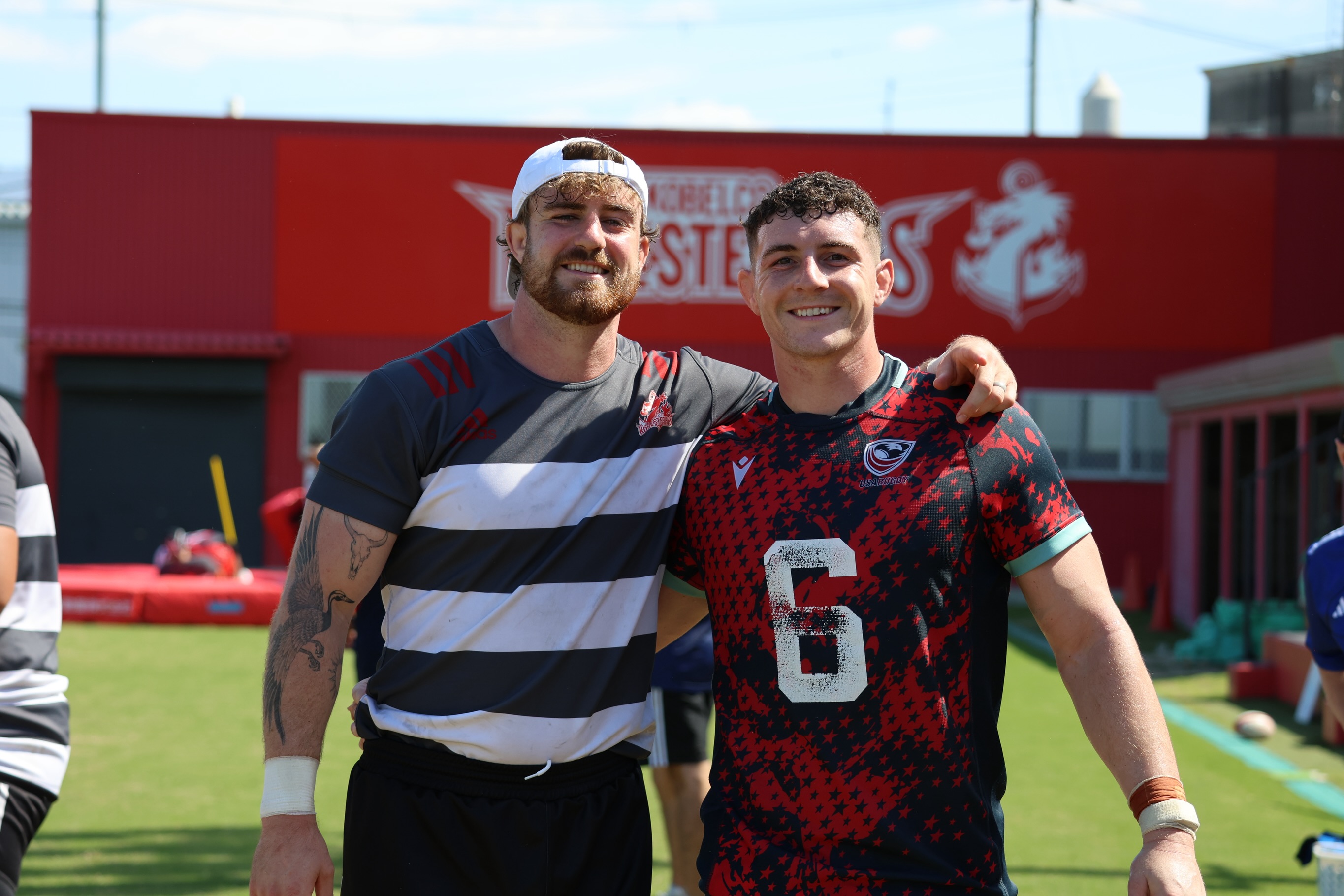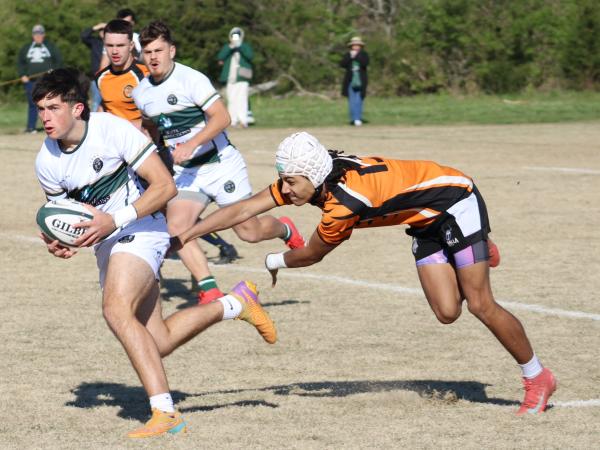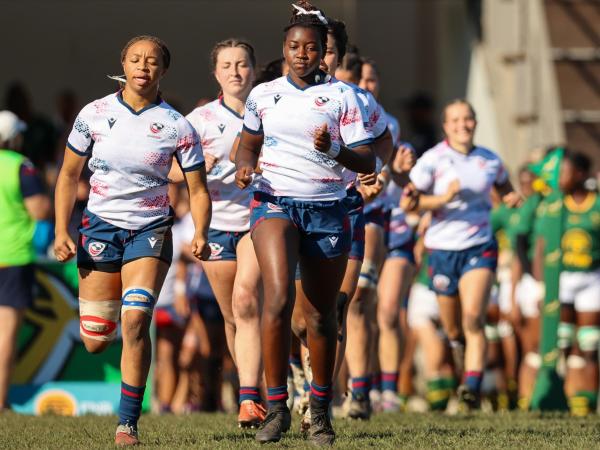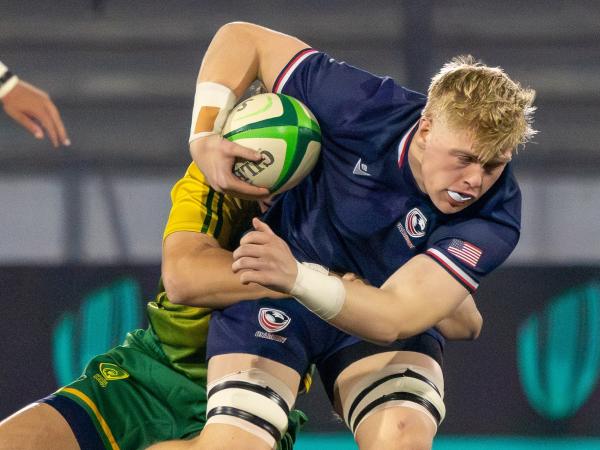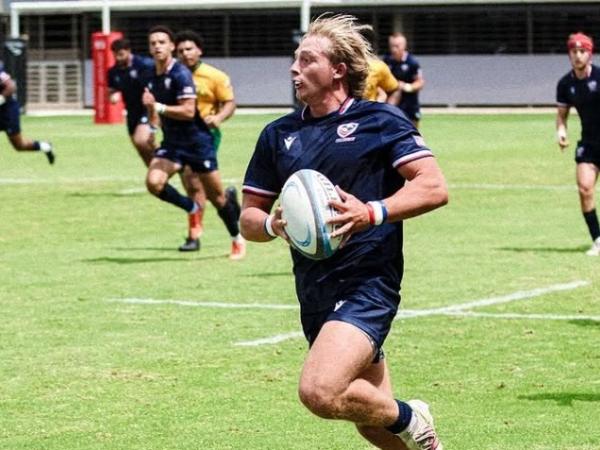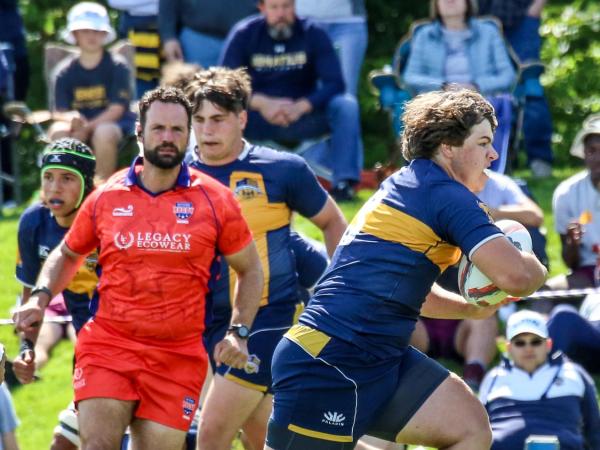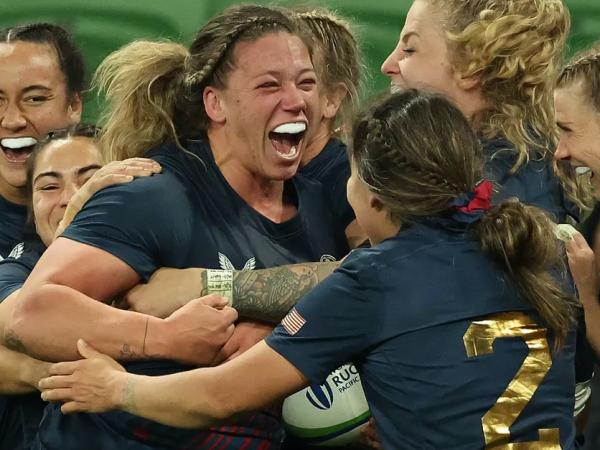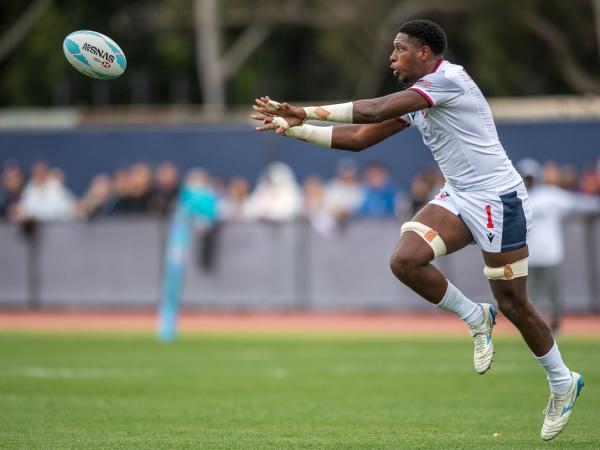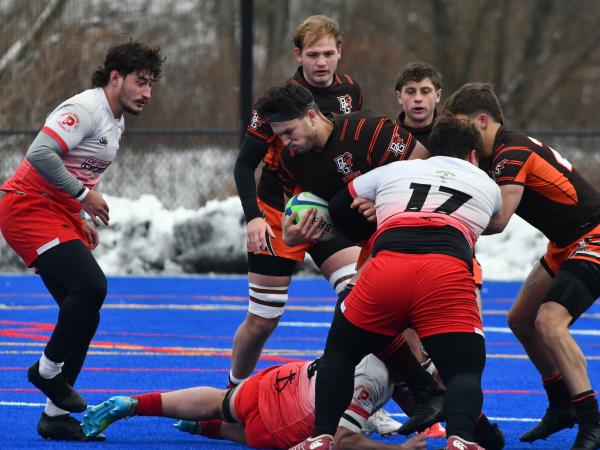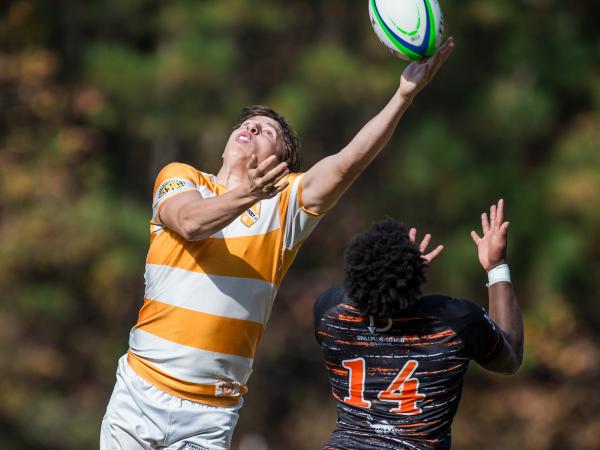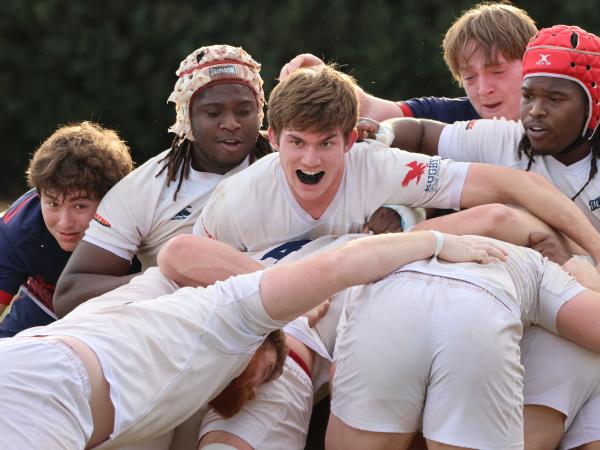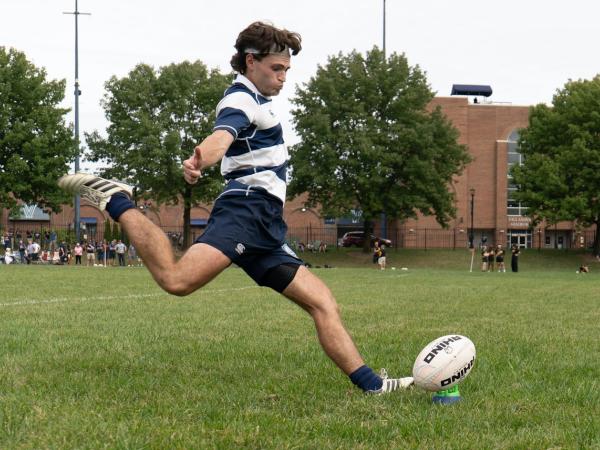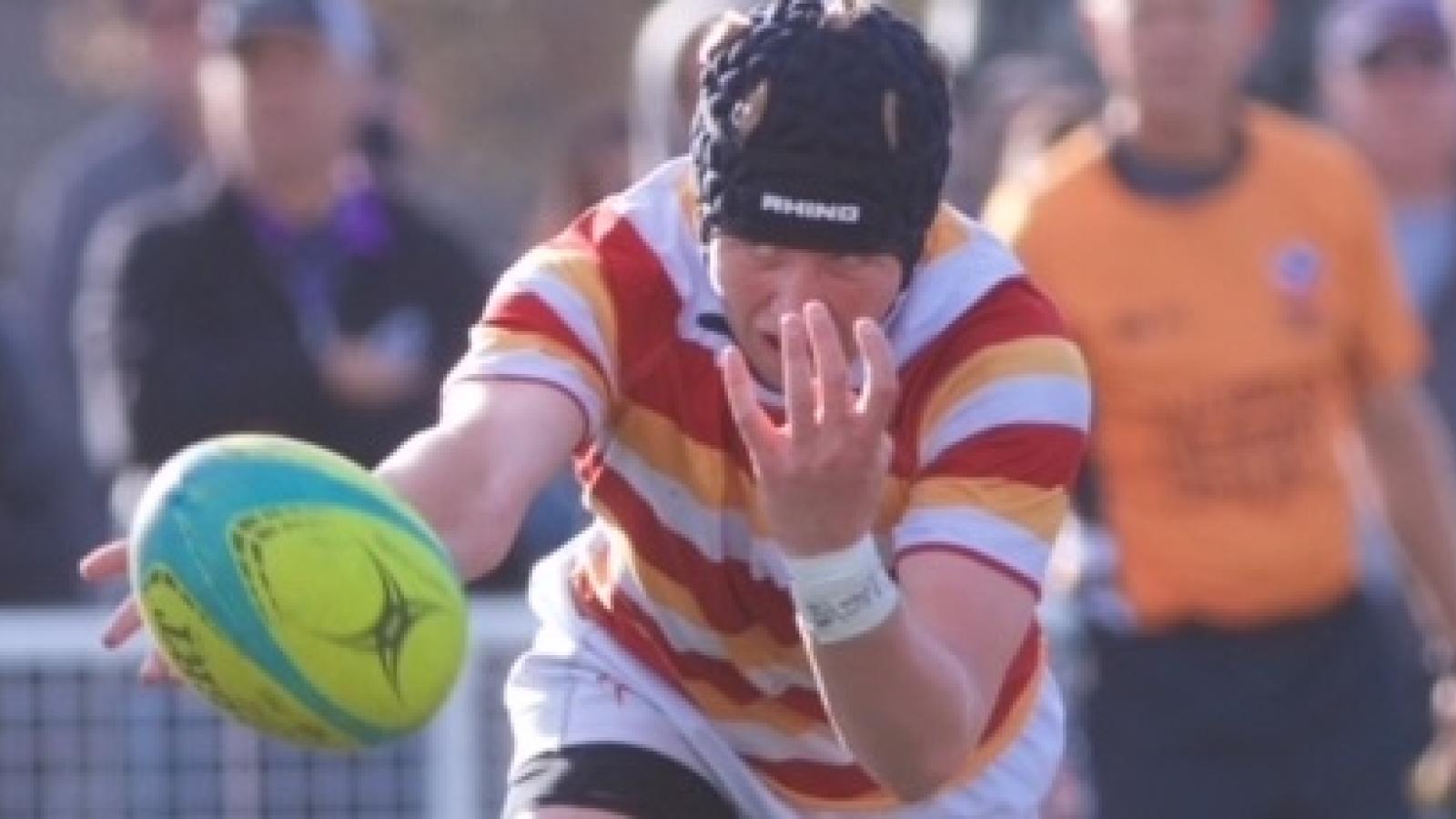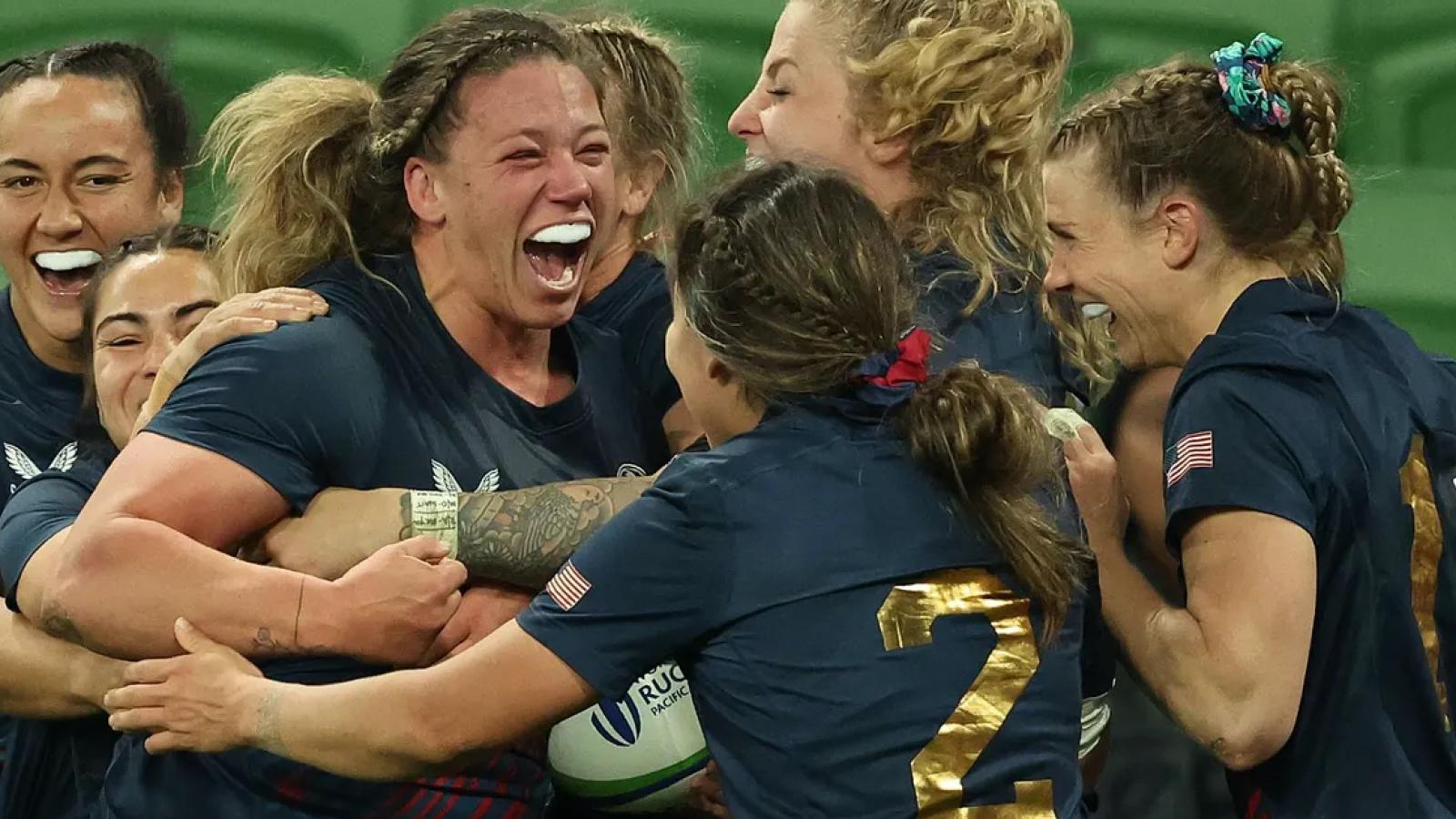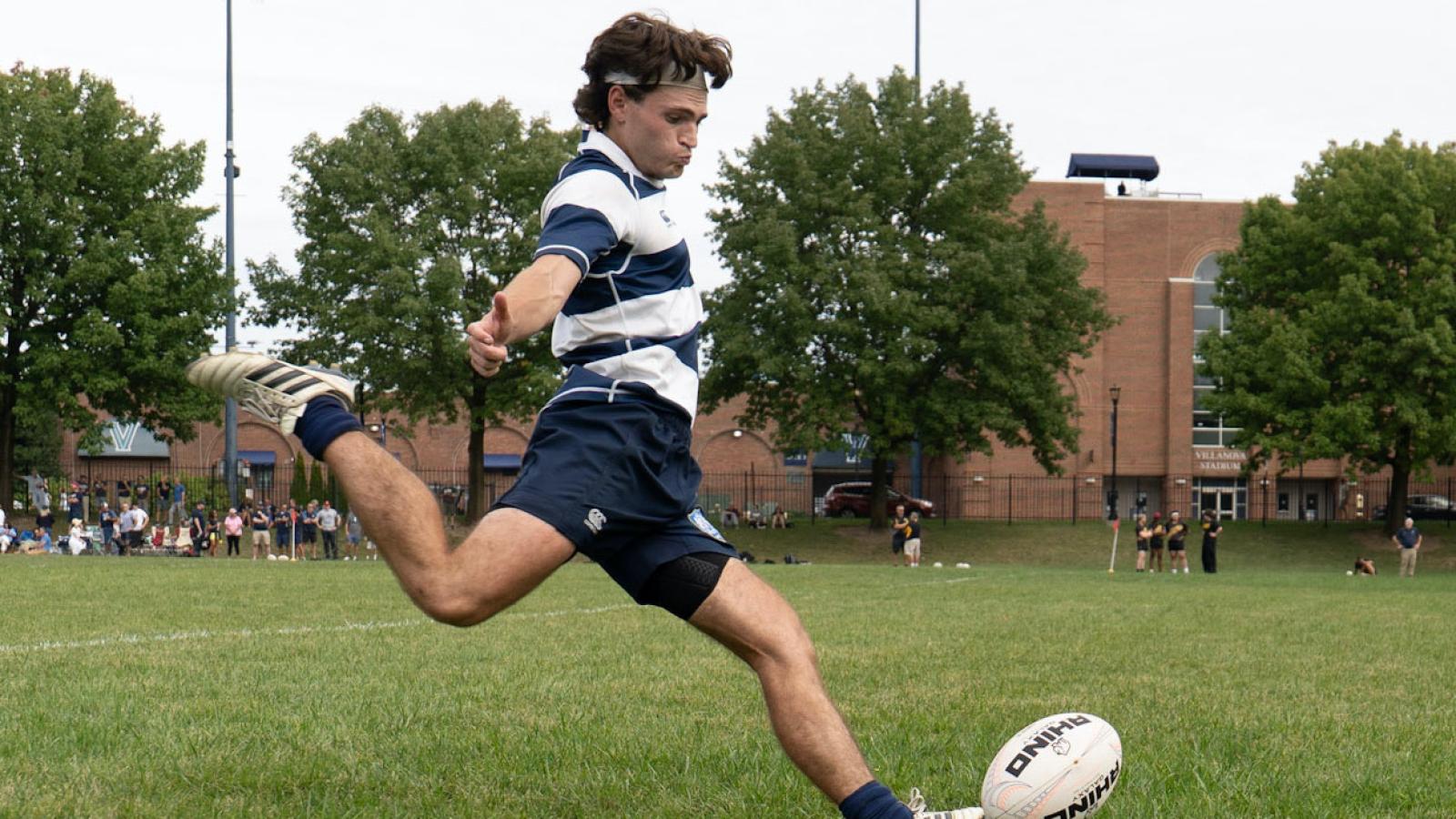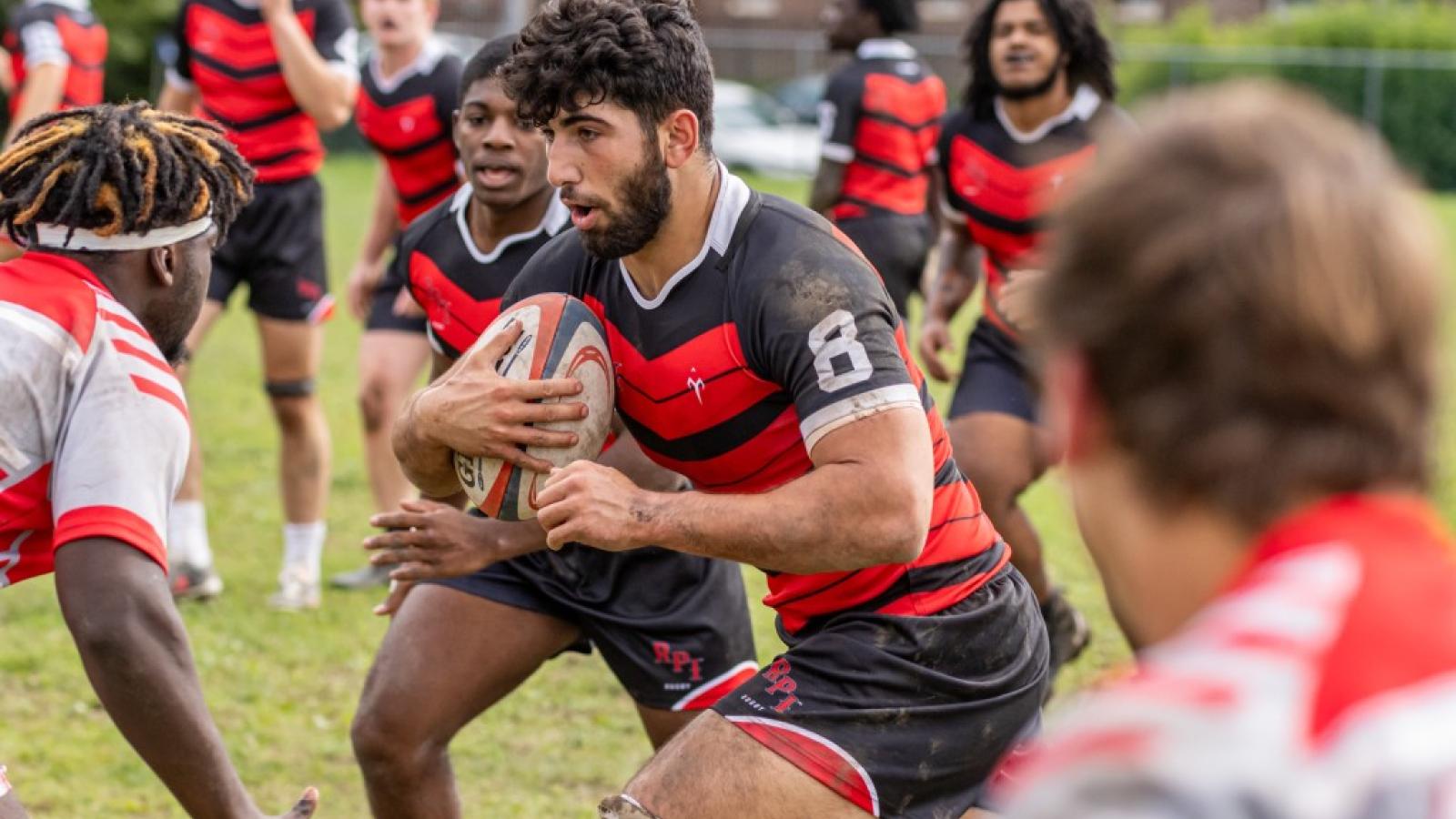
The Eagle men's team enters a really intriguing part of their Rugby World Cup 2027 buildup with two matches against Australia XV.
These two matches, one October 24 in Nashville, and one October 30 in Harrison, NJ, will be a stern test between a USA group not playing professionally overseas, and an Australian group desperate to impress.
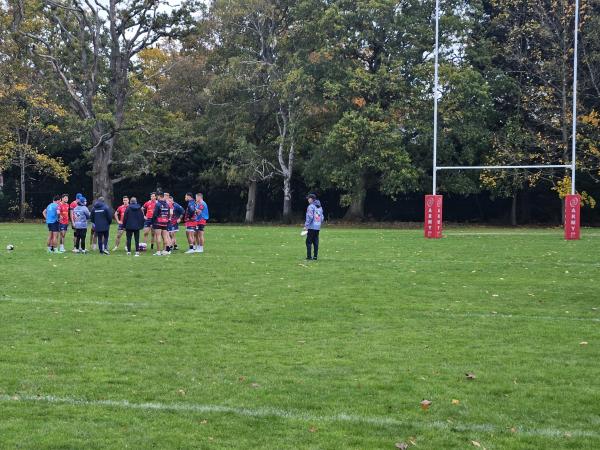
So where have these USA players been the last few weeks? They've been in Japan.
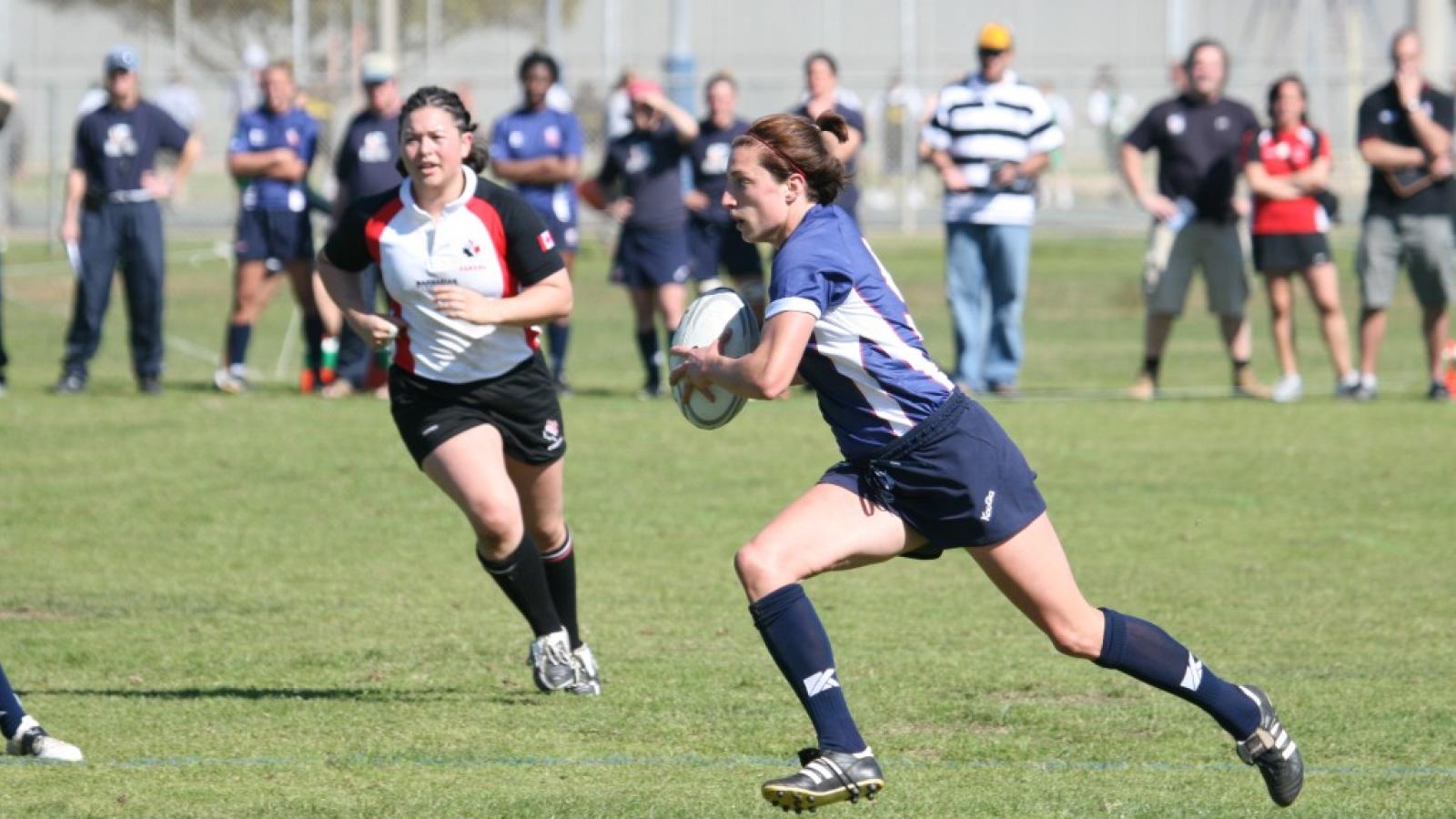
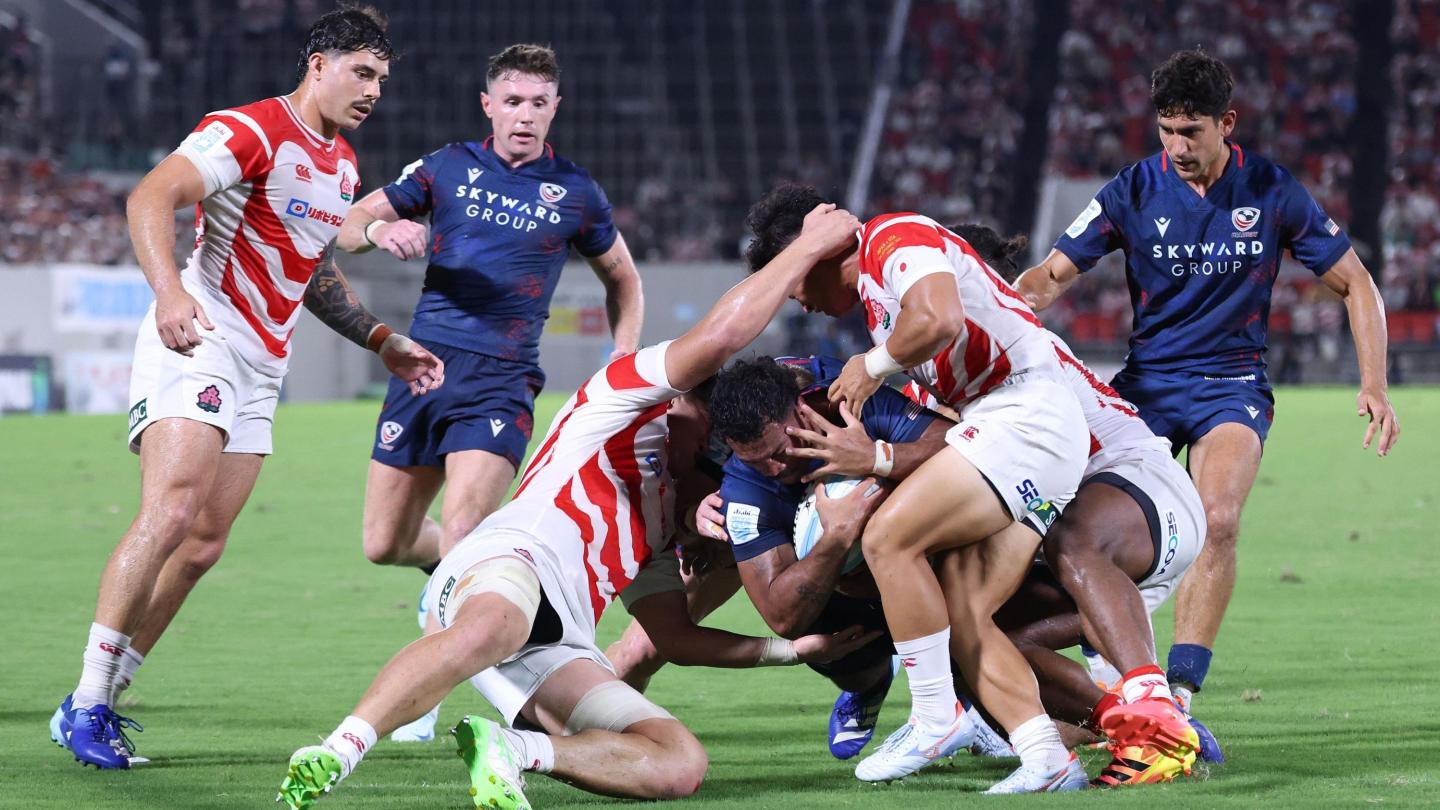
The Eagles went to Japan for the Pacific Nations Cup games, where they were beaten fairly convincingly by the hosts and then dropped a 19-16 decision to Canada.
And they stayed to train and prepare. This was partly an economic decision—everyone's assemble anyway, so why travel across the world to assemble somewhere else (when you were already together), only to then all move somewhere else again?
But there are also other reasons, including the fact that some USA players are already playing and training in Japan.
"As part of our August–October 2026 depth development plan, we remained in Japan to further develop the squad and introduce several new players, including Oscar Lennon, Rick Rose, Justus Tavai, and Jake Turnbull," USA Head Coach Scott Lawrence told GRR.
Lennon is a Welsh-born scrumhalf, USA qualified through his Cleveland-born father, who played for the New England Free Jacks and is now contracted with Bristol in England. Rose learned his rugby at St. Ignatius HS in Cleveland and then went on to captain St. Bonaventure to an NCR championship. The 6-8 lock was the #1 draft pick in the 2023 Major League Rugby draft, and has been in assemblies, but is yet to be capped.
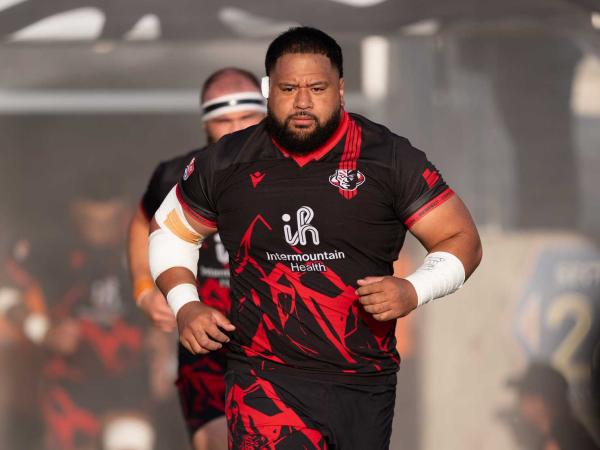
Tavai came out of the Glendale XO Academy crossover program, played for the American Raptors and is now with the California Legion. The 28-year-old prop is big, powerful, and a hard carrier. He is uncapped.
Turnbull is an Australia-born prop, qualified for the USA through parentage, who played for and captains Anthem RC (the 5th MLR team he's played for). He has played for every USA team short of the full Eagles squad.

Handling the Time Difference
One of the other reasons for training in Japan is the time difference. The Rugby World Cup in Australia in 2027 will require the team to spend at least five weeks away from home. Lawrence wants his players to be acclimated to how that operates—when it makes sense to call family, how the body adjusts.
Tokyo is almost the same time zone as Sydney (one hour difference), so staying in Japan checked that box, too.
"Moving from a familiar home environment, where access to high-performance facilities and established routines provide what we think we need to a tournament environment where we may drive 65–90 minutes each way to train is part of the growth experience," said Lawrence.
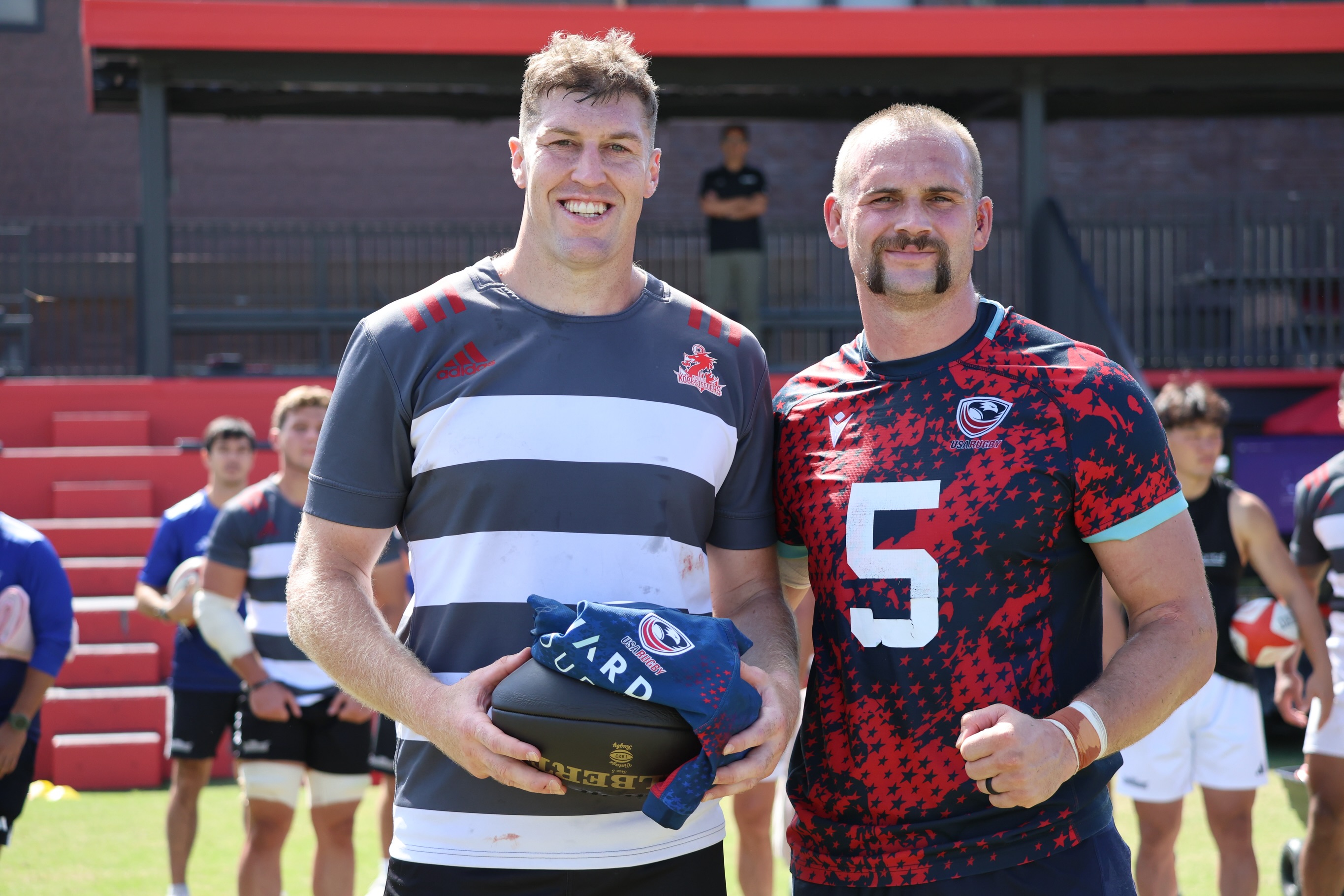
And so is figuring out how to speak to loved ones with such a time difference.
So is preparing home life for an extended absence, adapting to unfamiliar food and the volume of nutrition required to meet fuelling needs, and navigating different cultures and approaches to accessing team resources," added the coach. "Many players and staff are experiencing these challenges for the first time now, rather than a year from now."
So it's a dress rehearsal rather than learning to adjust on the fly.