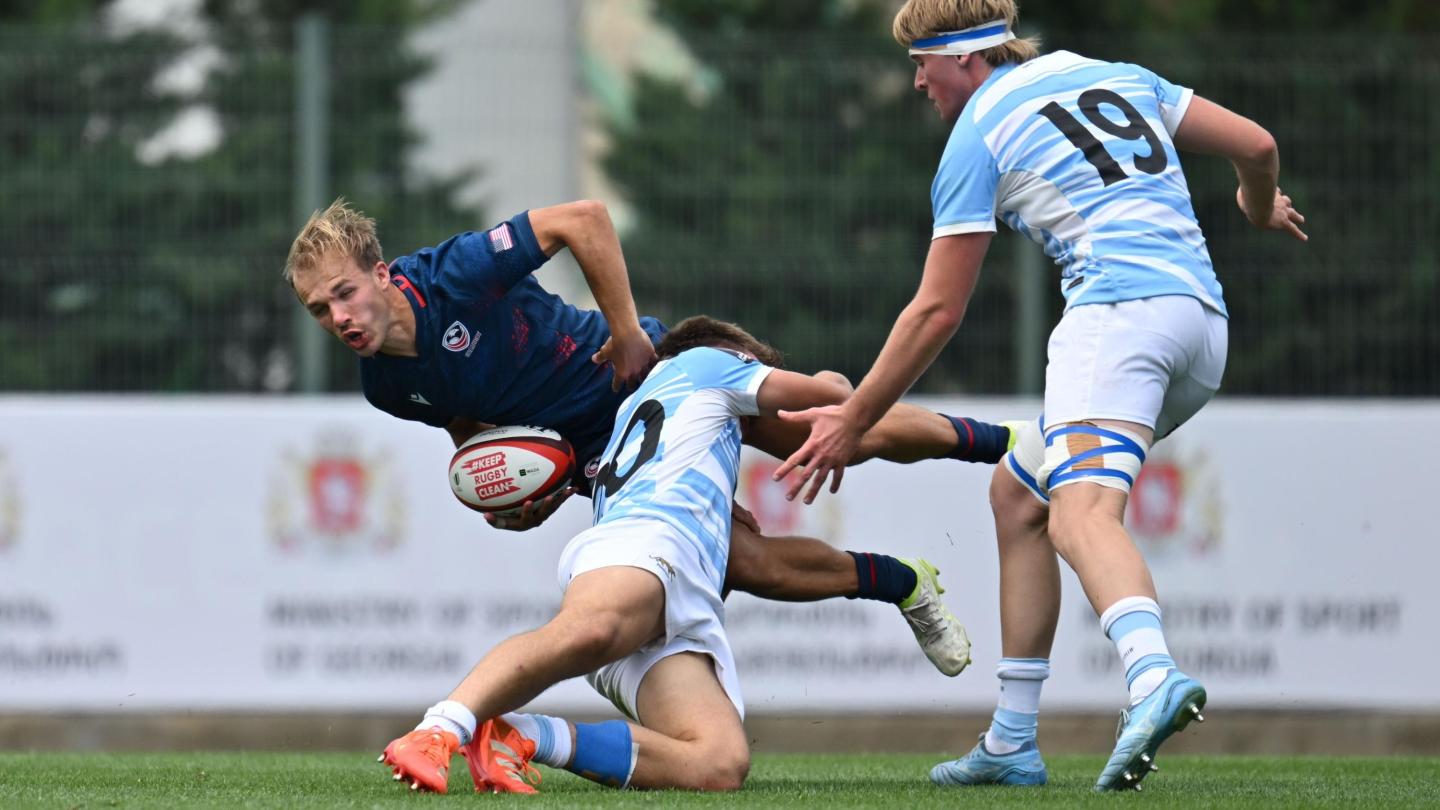
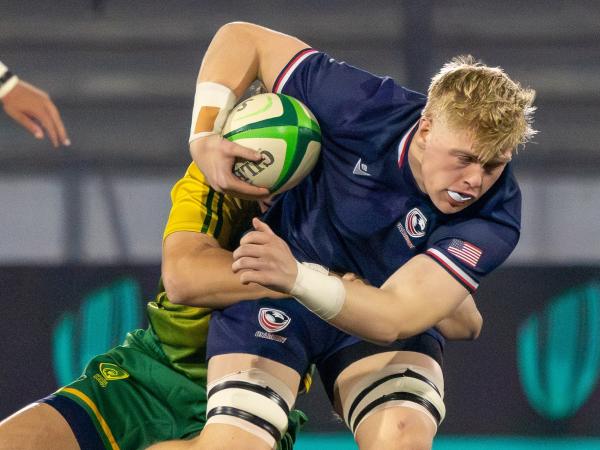
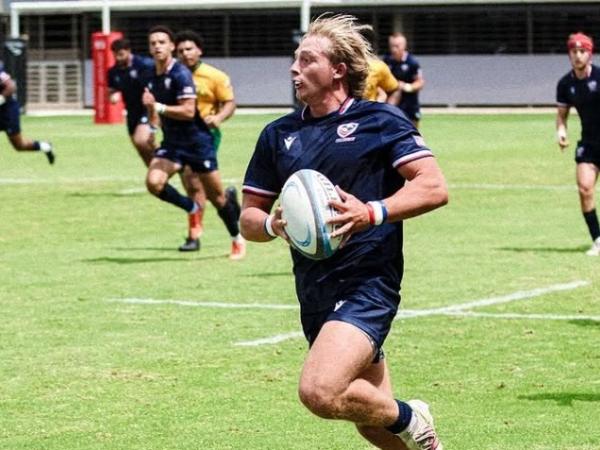
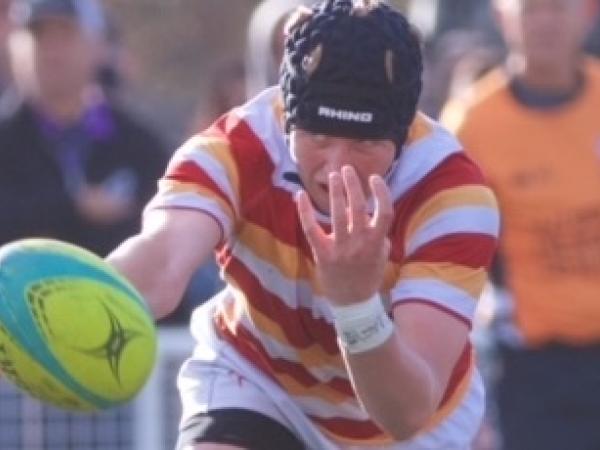
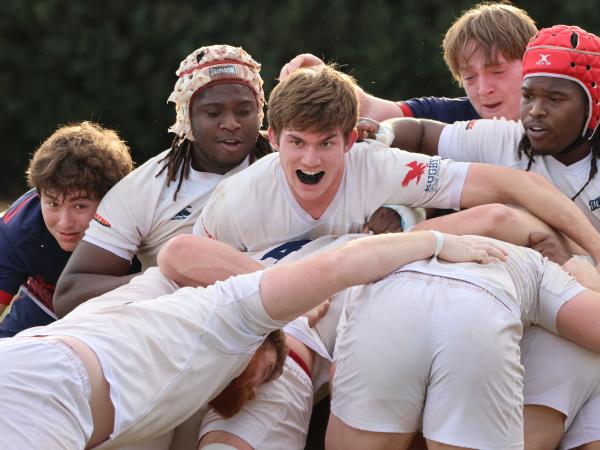
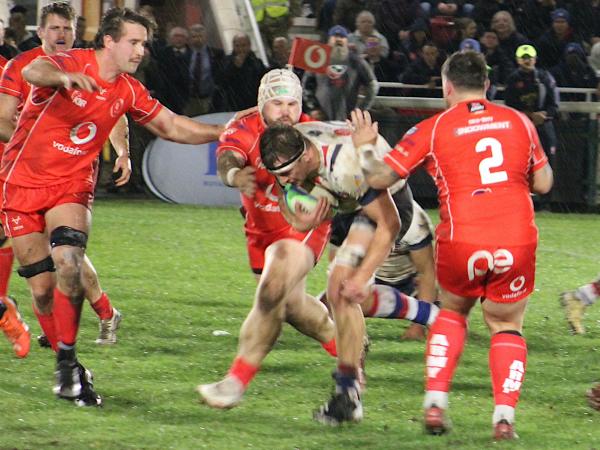
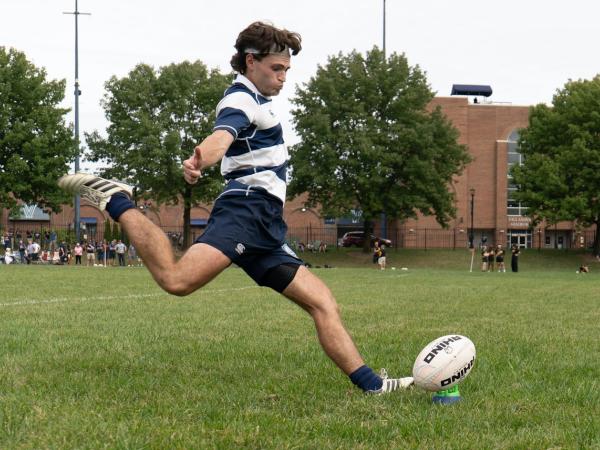
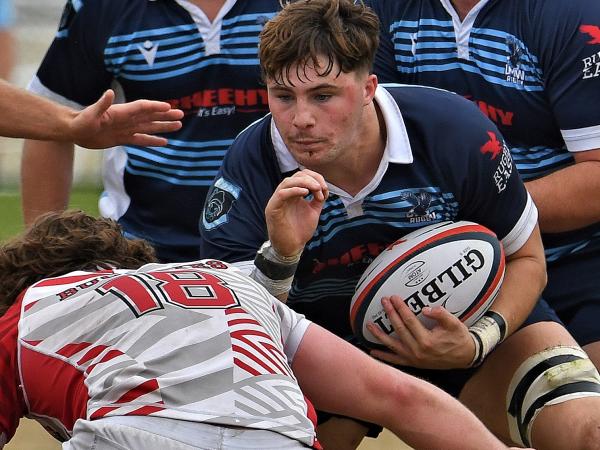
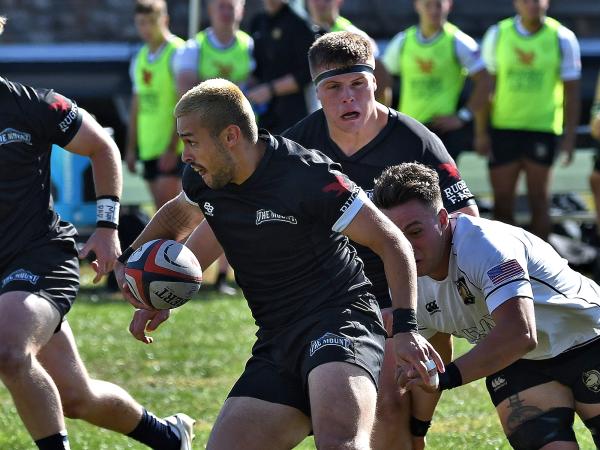
Gavin Holder gets some attention from the Argentina U20 defenders. Photo Levan Verdzeuli for World Rugby.
Author: Alex Goff
Argentina's U20s convincingly defeated the USA U20s in the opening match of this year's Junior World Championship, unleashing a devastating outside attack to beat the Americans 78-14.
As often happens in matchups like these, the losing team competed hard for a period of time. While the Los Pumitas scored in the 4th minute, the Junior Eagles held it at 7-0 into the second half of the first period.
But then Argentina struck, and, with captain Spencer Huntley in the sin bin, they struck again to lead 19-0.at 30 minutes. Even that wasn't so overwhelming. But as halftime approached Argentina put the foot on the gas with three converted tries in the space of 10 minutes.
Photo Levan Verdzeuli for World Rugby.
Down 40-0 at halftime the USA did not wilt, and put together some promising attacks in the second half. But little skill and breakdown errors killed those.
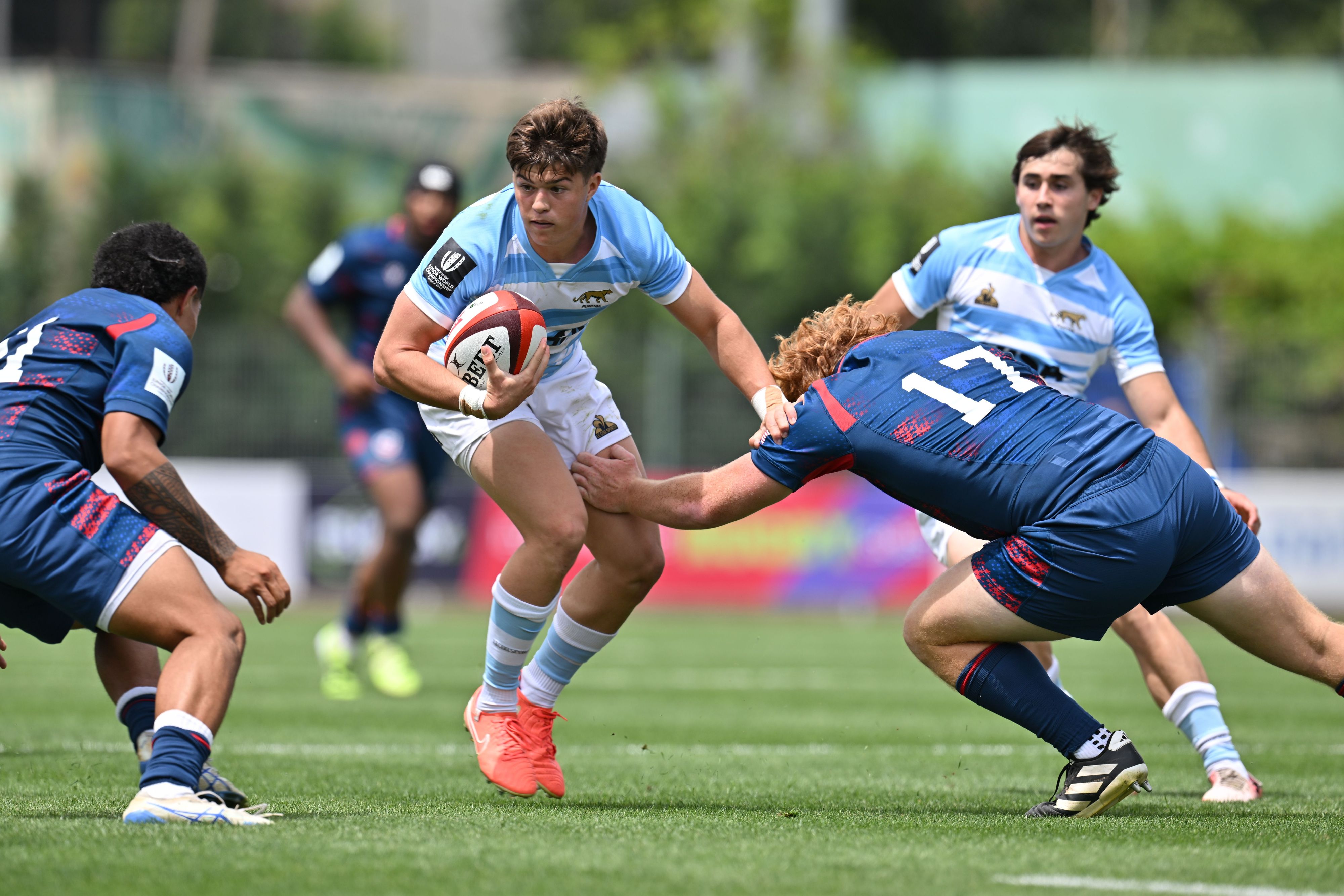
For Argentina, turnovers were red meat for Los Pumitas to pounce on. Their ball-handling was slick and they played very fast. Almost every time Argentina was quick to either go wide immediately if there was space, and if there wasn't, they would run their powerful forwards once or twice, force multiple American tacklers to converge on the carrier, and then torch the defense out wide.
Add to that complete dominance in the scrum, and it was a deadly combination.
(Referee Saba Makharadze was, overall, very good and was consistently dedicated to letting the teams play, but he did get bamboozled once or twice in scrum penalties when the Argentines took the scrum down but got the penalty—that's the dividend of having scrum dominance.)
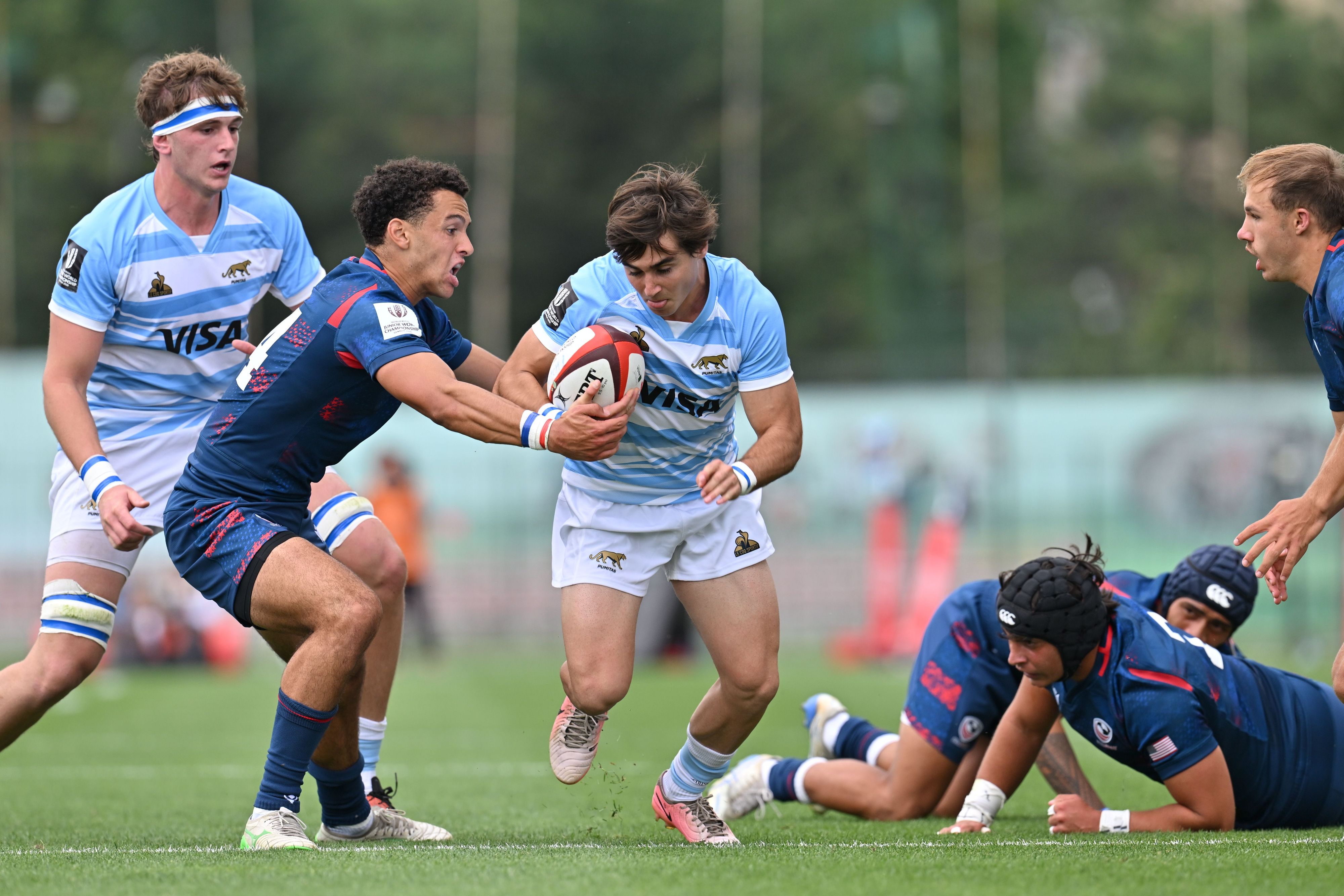
When the USA players fell off even one tackle, that was the door opening for Argentina to exploit a gap, and they did superbly. Similarly, a bit of sloppiness in the ruck or a loose pass was punished with tries.
Photo Levan Verdzeuli for World Rugby.
One late try perhaps exemplified all of this. With Argentina a bit flat-footed, USA flanker Yiannis Efthymiopoulos burst through to exploit that. But, there is always a decision to make—do you break down and make sure of the tackle, or do you fly in and hope to catch the ballcarrier and cut him in half? Efthymoupoulos broke down, perhaps a step early, and he was stepped around, with the gap he'd left by blitzing up now open.
Would he have missed had he flown in? Maybe, but at that point, that's probably what the Junior Eagles needed to do.
As it was, the Americans kept working for tries and after a solid period of phases and hard runs, a smart, wide pass from Declan Cadden saw Siale Ofa with a little bit of space. Ofa did very well to stay infield, fend off a tackler, and race to the corner for an excellent finish. Ofa would produce another big run in which he completely flummoxed a potential tackler, but the Argentine cover defense was pretty solid.
On that try in the corner, Cadden slotted the conversion from the touchline.
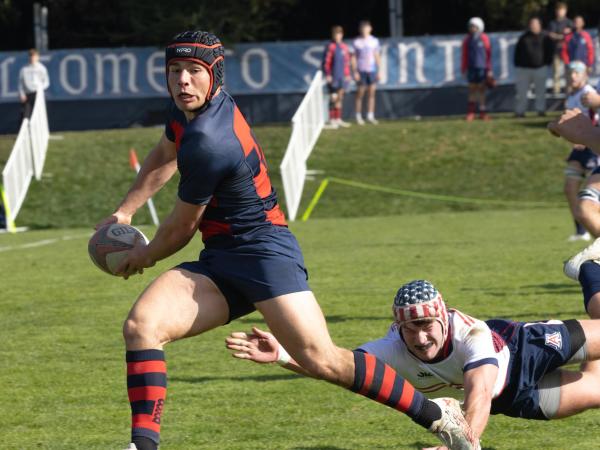
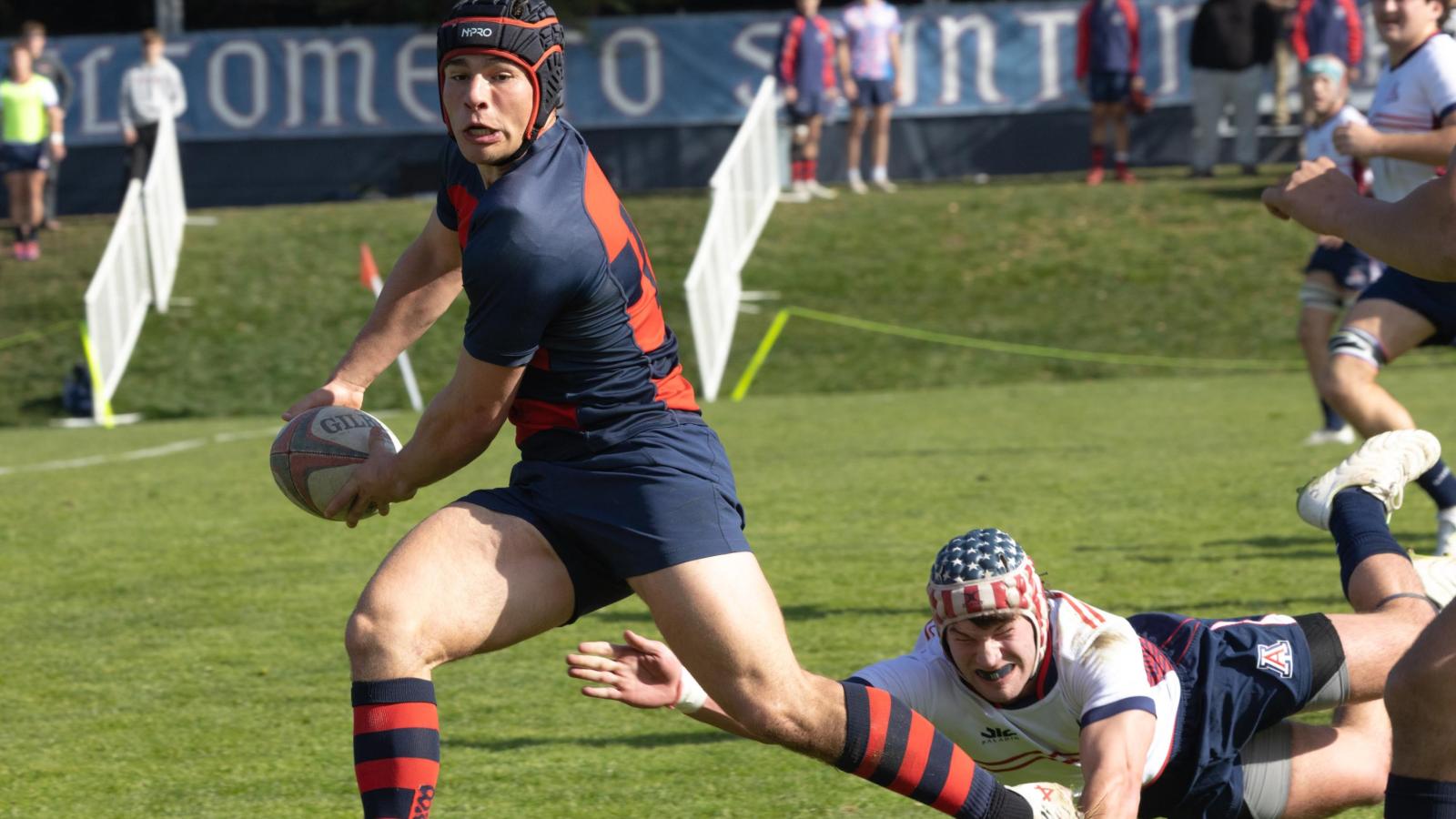
Later on, fullback Gavin Holder brilliantly sold a dummy and cut back inside, beating several defenders to score under the posts.
The main hard runners for the USA—Lyndon Bailey, and Pierce Kelly at lock, and Papa Matelau at No. 8—did yeoman work. Matelau was a handful for Argentina.
But one of the issues with teams that have not worked together a ton, or teams that know they have a tough job ahead of them, is that they get edgy at crucial moments.
Photo Levan Verdzeuli for World Rugby.
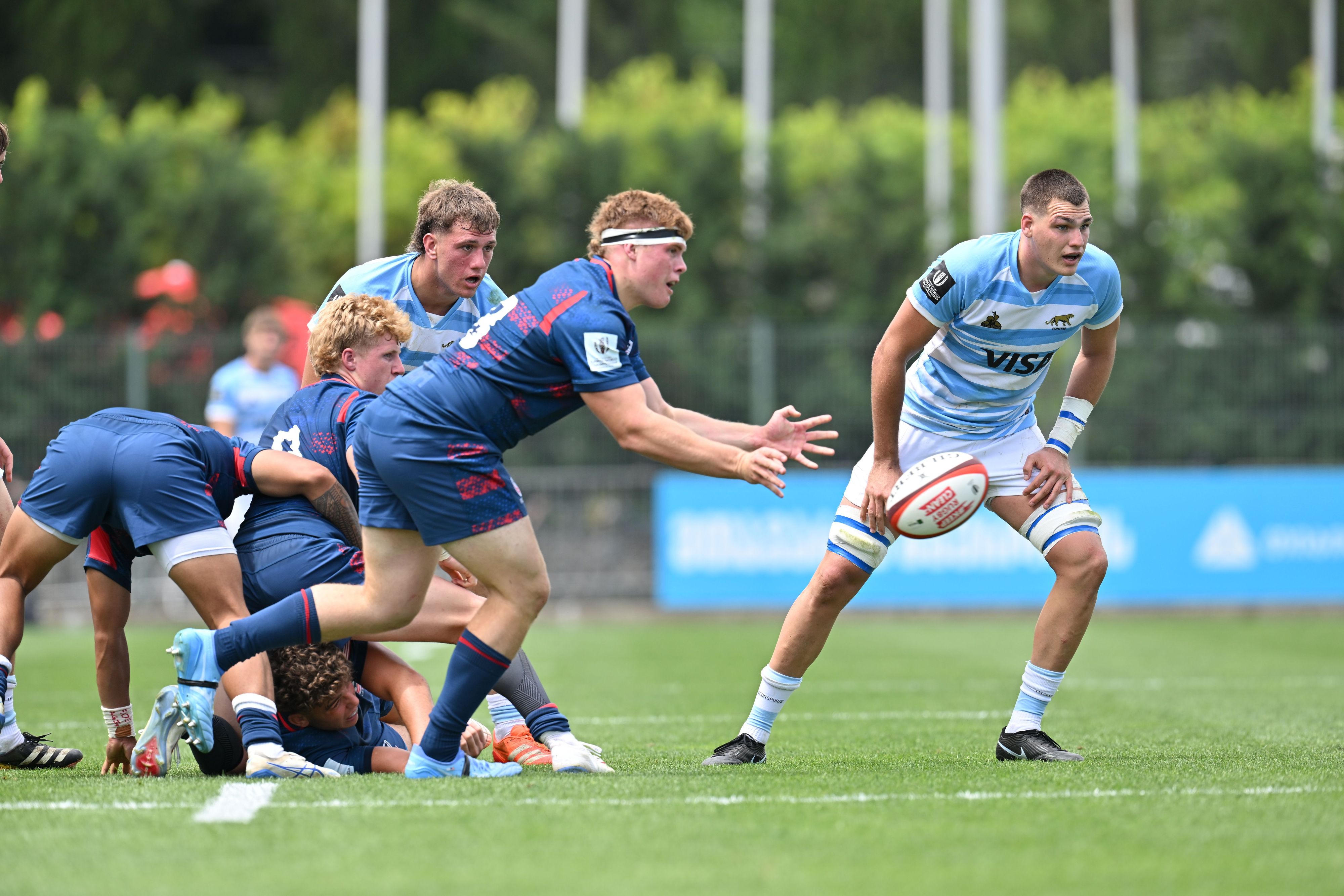
Within the Argentina 22, the USA pods crept up, They were perhaps half a step too shallow and half a step closer to the ruck, subconsciously hoping to make sure of every pass. What that meant, however, was Huntley's passes that were being caught going forward in midfield were now being caught a bit flat-footed, with players giving a little jump to catch the ball.
Not much of a delay, but those fractions of a second helped the Argentina defense to rush up and stymie the USA go-forward.
Trust sometimes means trust in yourself. A tiny bit more depth and width ... and trust ... and maybe the USA would have had one or two more tries.
As it is, 78-14 is a fair reflection of the reality of the game. Almost all of the Los Pumitas lineup played in last year's JWC tournament. The USA has not played at this level in some time. Every one of the Argentina team plays in high-level domestic senior club rugby. True they are from many different clubs, but they can assemble frequently.
As a result, their scrum is elite, and they have the best ruck retention rate in the U20 game. They keep ball better than everyone else and they get quick ball.
Add to that some truly excellent open-field runners who work together well, and it's a deadly combination illustrated by the fact that Argentina scored 12 tries by 10 different players.
The USA, by contrast, is made up of players who don't play together (or against each other) much. They did a number of things very well and their relatively improvement in the second half can be chalked up, in part, to their learning over the course of the game what is required. Speed to the breakdown, accuracy in first-up tackles, and smoothness in attack are all crucial.
As a 17-year-old Spencer Huntley required a waiver to play for the USA U20s, an indication of how he was rated in the USA age-grade pathway. He got that waiver and impressed for the USA U20s, and then moved up to the USA U23s. He led the San Diego Mustangs to a national HS Club championship in 2024.
He also played in the SoCal single-school league for Cathedral Catholic.
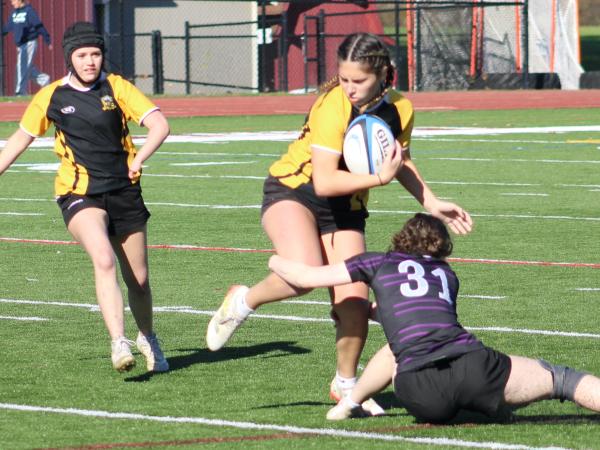
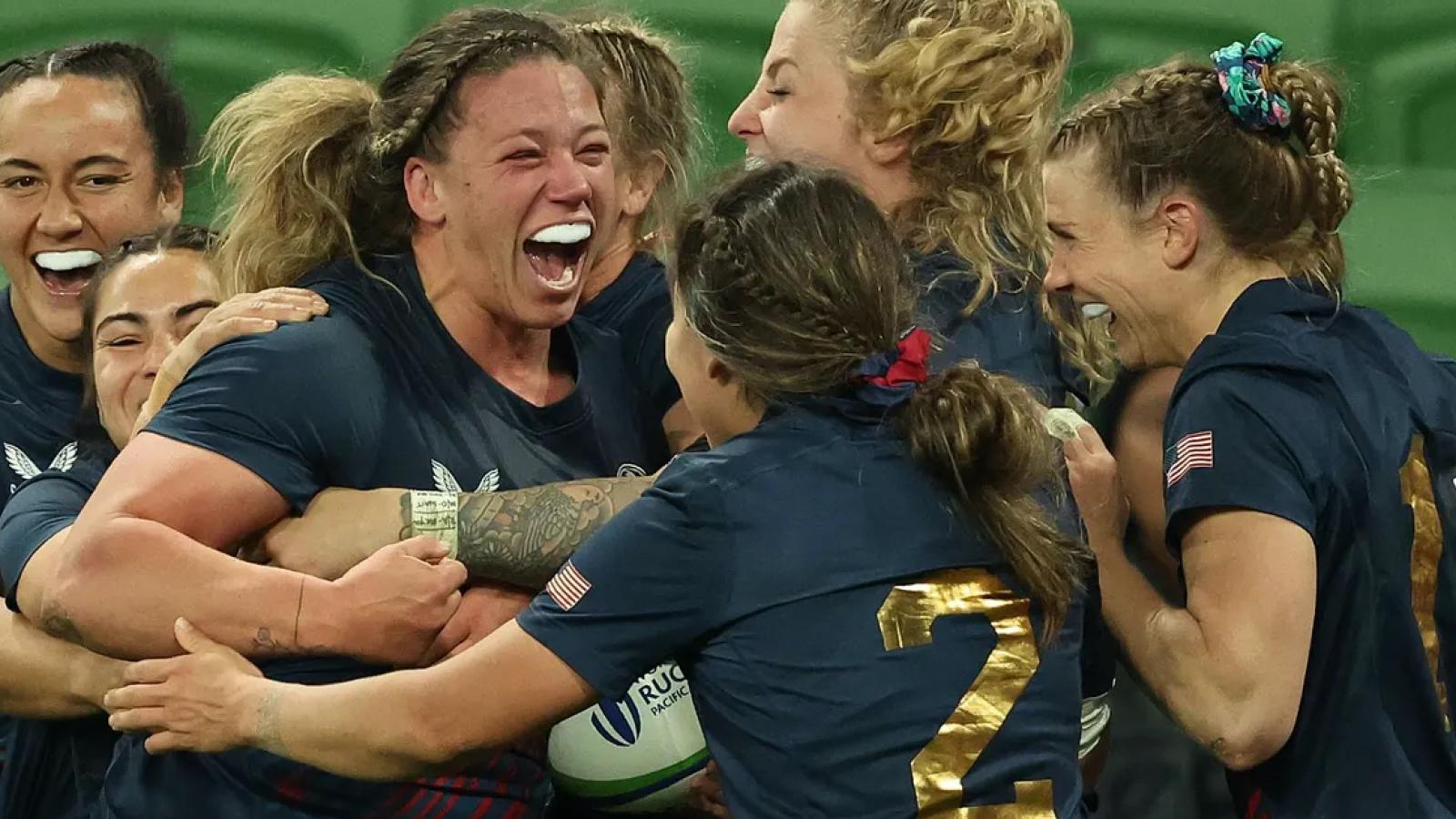
Hope Rogers began playing rugby at age 16 in high school and continued to compete during her time at Penn State University. There, she won four National Championships, was crowned MVP on two occasions, was named to the USA Under-20s and earned Collegiate All-American honors for four years. Rogers was also an impressive discus player during her senior year in high school where she broke a school record and won Gold at Districts for the sport.
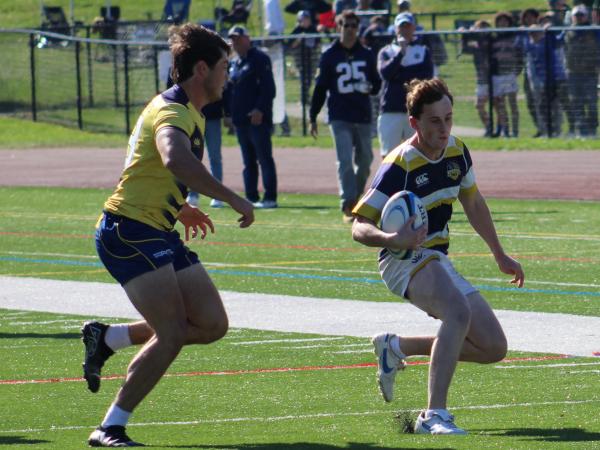
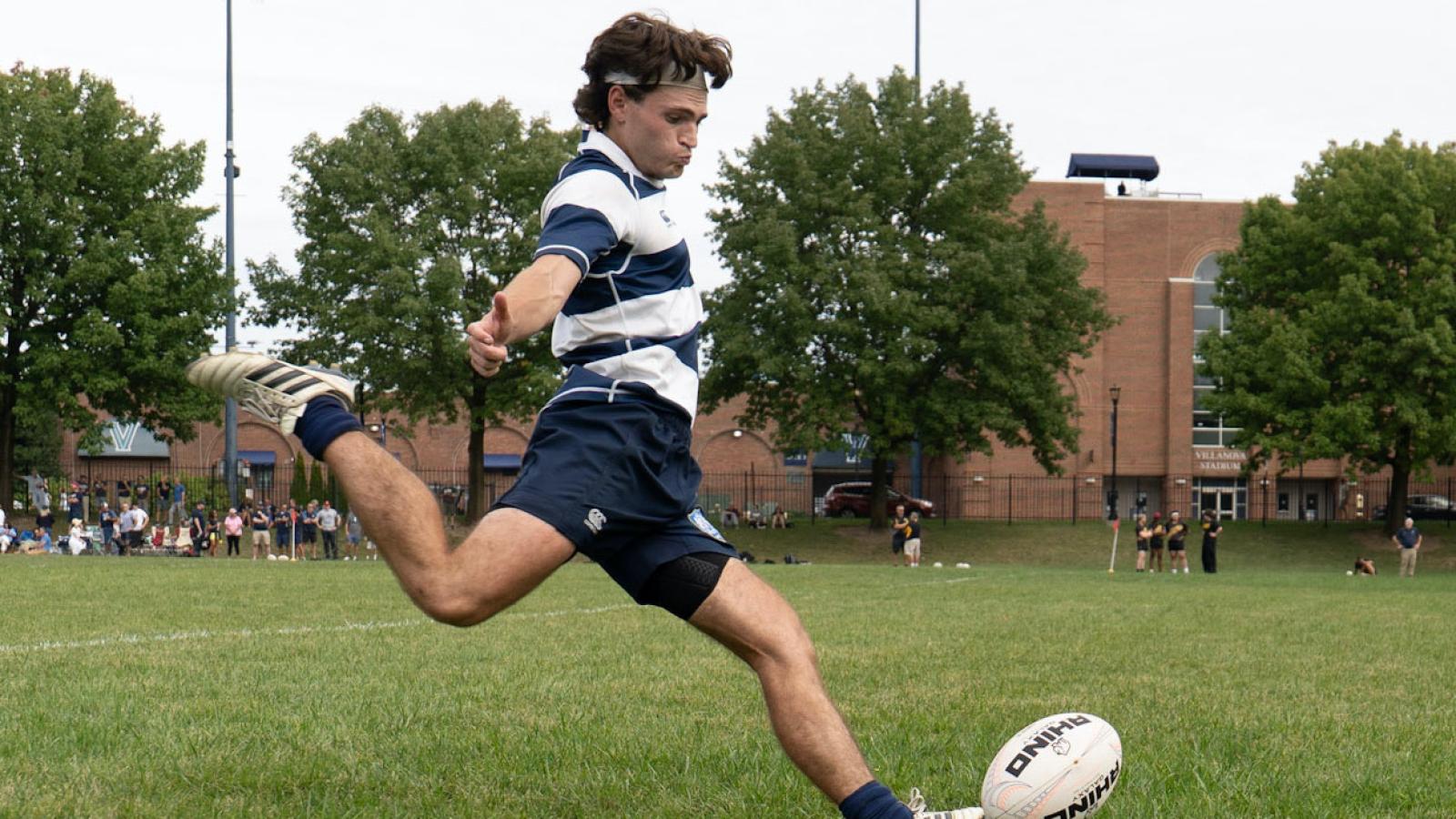
Nathan Caruso is a steady, smart fly half who drives Villanova’s attack with calm decision-making and a reliable skill set. He’s been central to Villanova’s success in the MARC, controlling tempo and keeping the team organized under pressure.
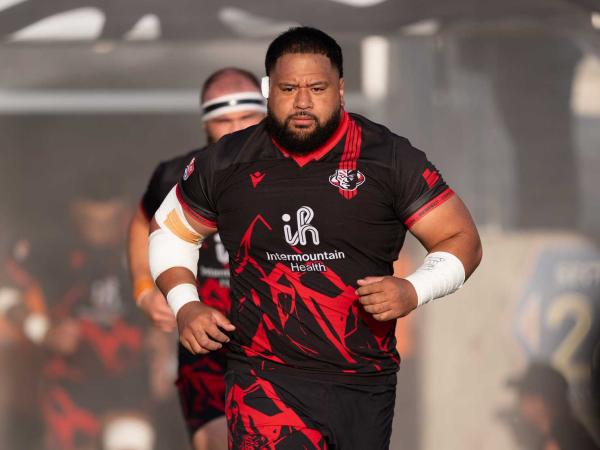
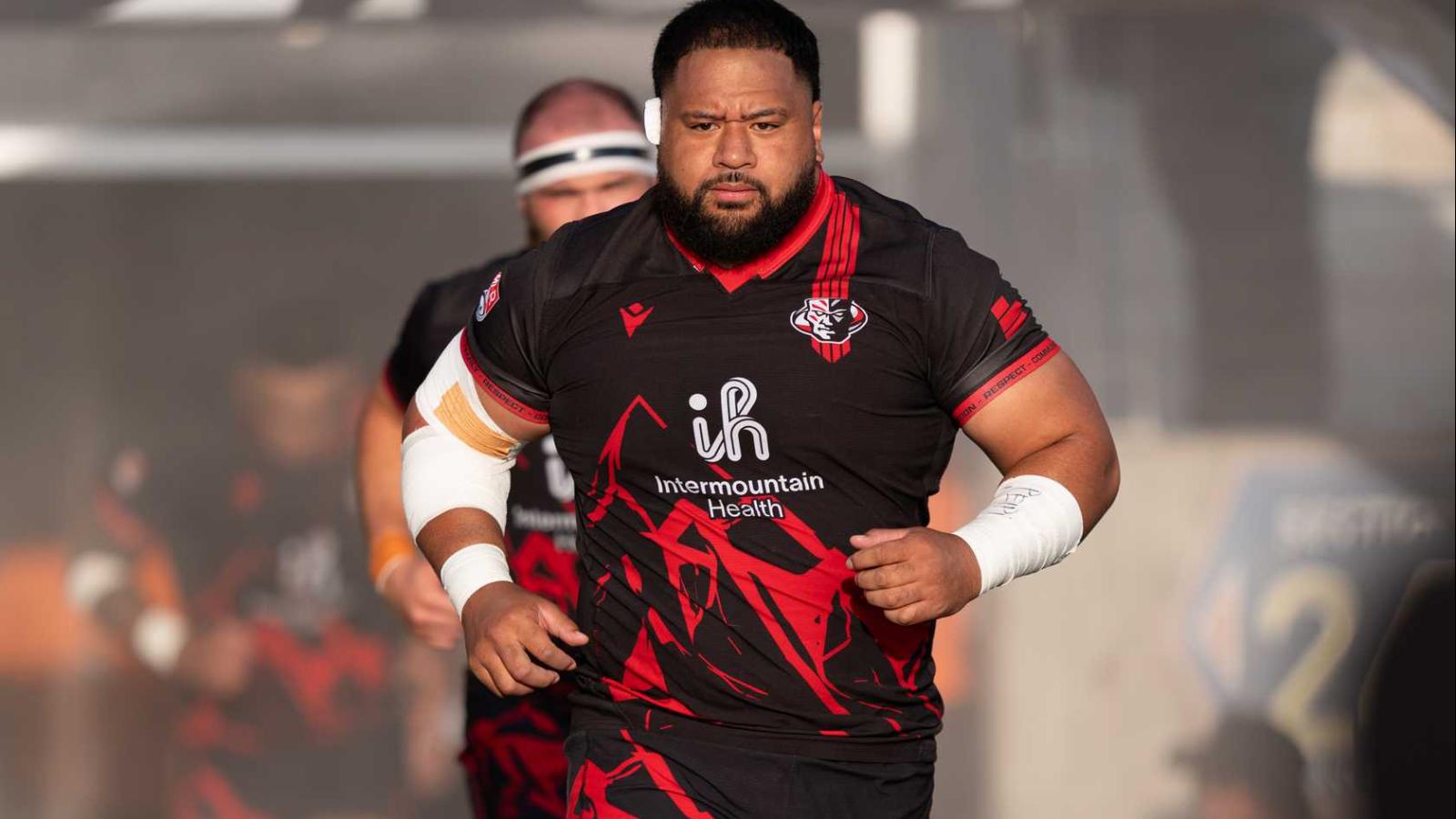
Tonga Kofe is one of the most promising young front-rowers to come out of the American rugby pathway. A powerful and hard-working prop, he rose through the Utah Warriors development system.
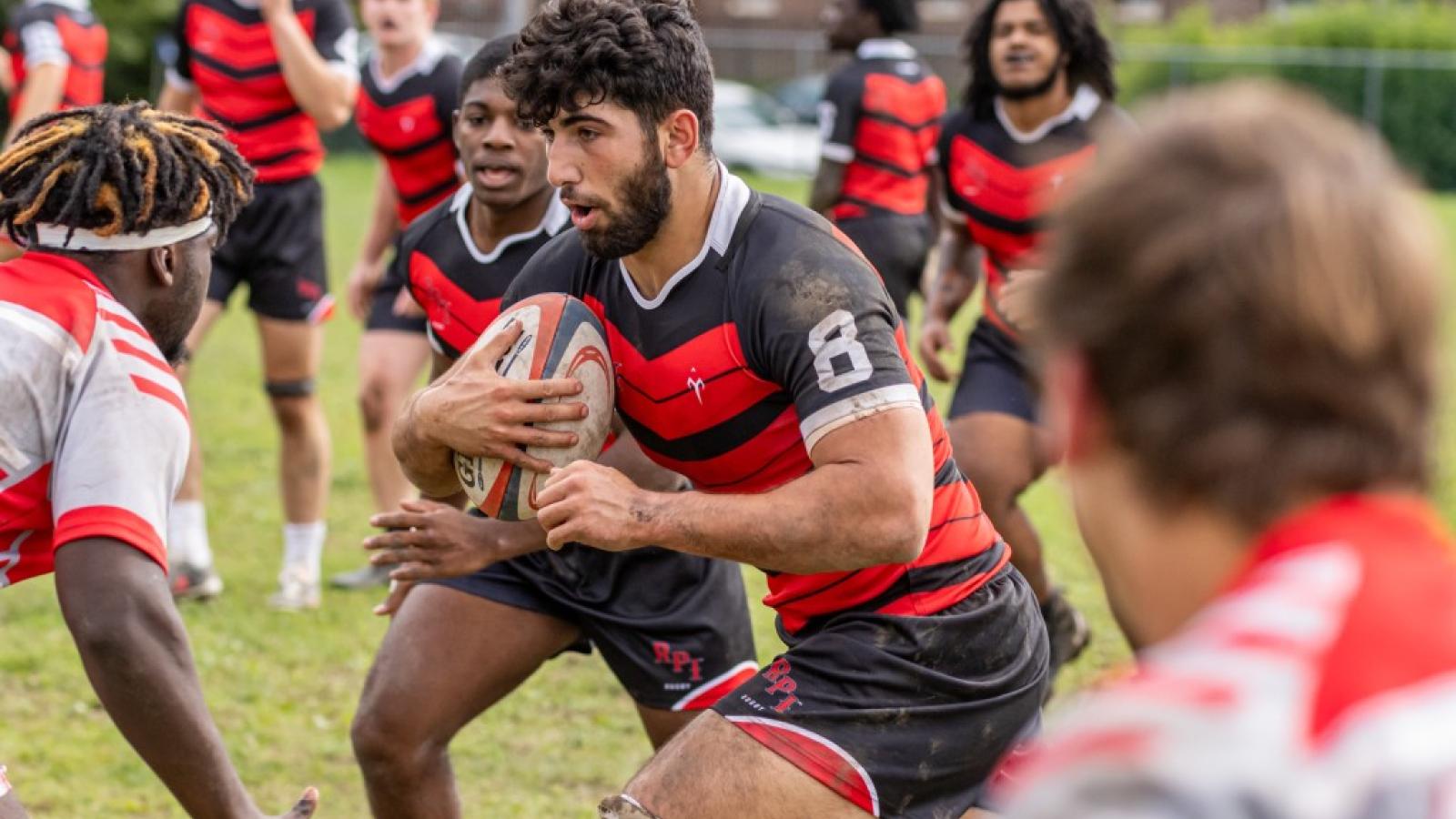
Ray Santiago has emerged as one of RPI’s most influential forwards, a player whose size, athleticism, and rapid development make him stand out in the Division II landscape.
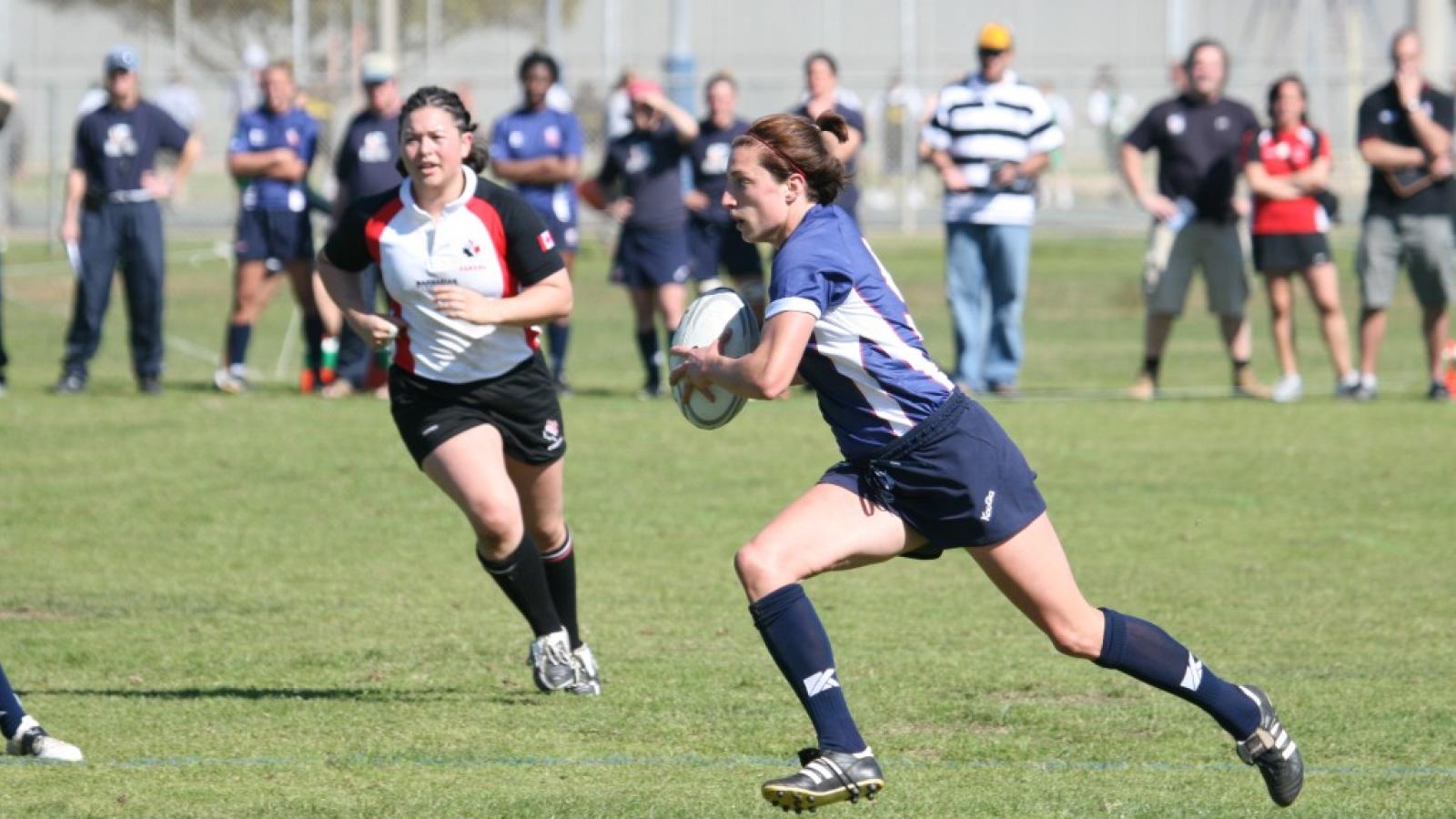
Christy Ringgenberg is one of the most accomplished and versatile players to wear the USA jersey, earning recognition on the Goff Rugby Report All-Time American list for her impact on both 15s and 7s.