04.29.2026Int'l News
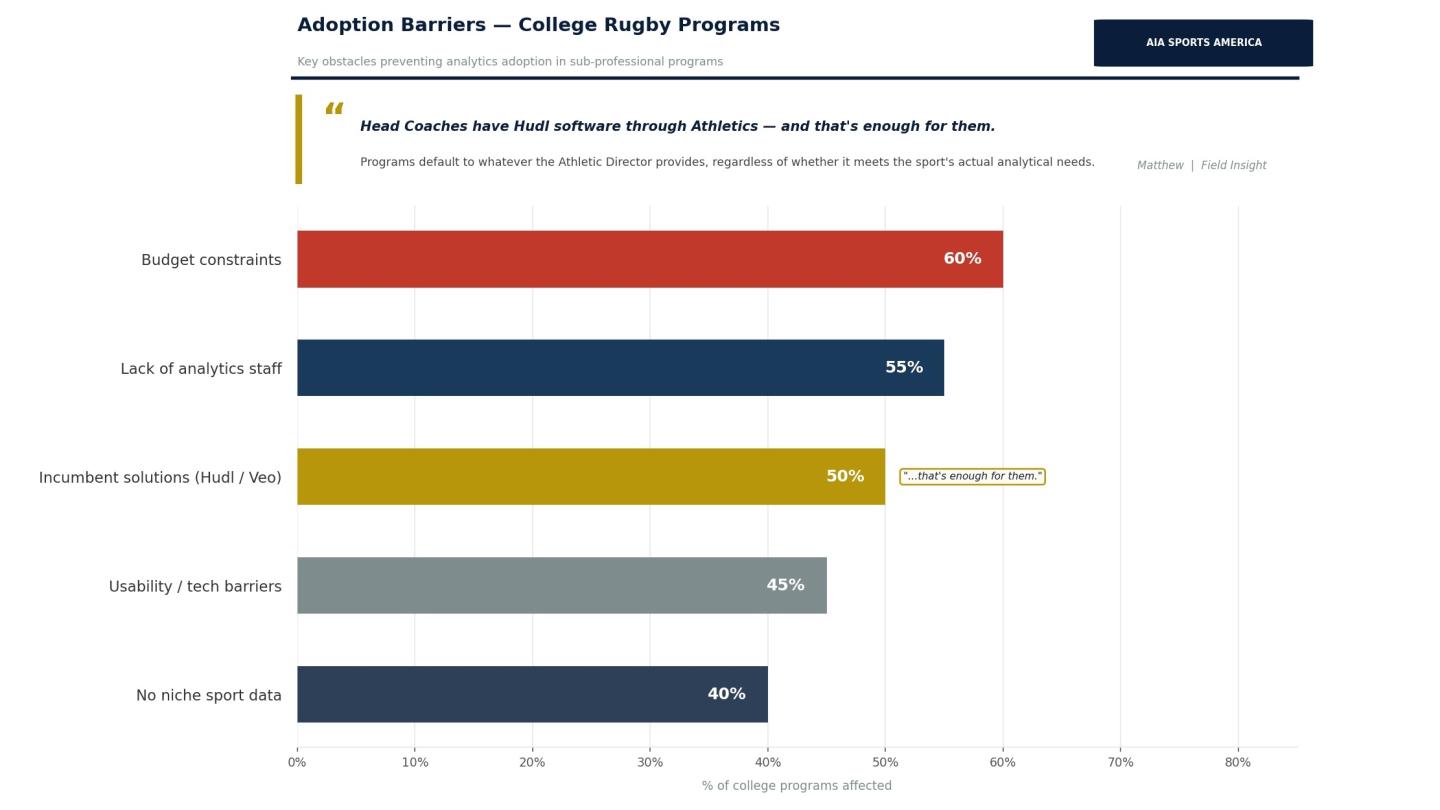
Barriers to adoption of Analysis Software.
Author: GRR Contributor

A Structured Framework for Monday Reviews That Actually Drive Tuesday Outcomes

This Article is published as part of a partnership between GoffRugbyReport and AIA Sports America.


Monday Is the Hardest Day to Get Right. It Is Also the Most Important.

The time between Saturday's final whistle and Tuesday's practice is when many teams miss out on valuable learning opportunities. Without a structured approach, an 80-minute match often devolves into gut feelings, selective memories, and a practice plan focused on whatever was most discussed on the car ride home.
Your data is already there. 

The bottleneck was never collecting it. It was never having a simple enough framework to convert that data into coaching action before Tuesday. Keep/Stop/Start solves the blank page problem.

The gap between Saturday’s final whistle and Tuesday’s practice is where most programs forfeit their best learning opportunities.

INTRODUCING THE FRAMEWORK

Keep/Stop/Start: An Executive Readout Format, Not a Coaching Novel

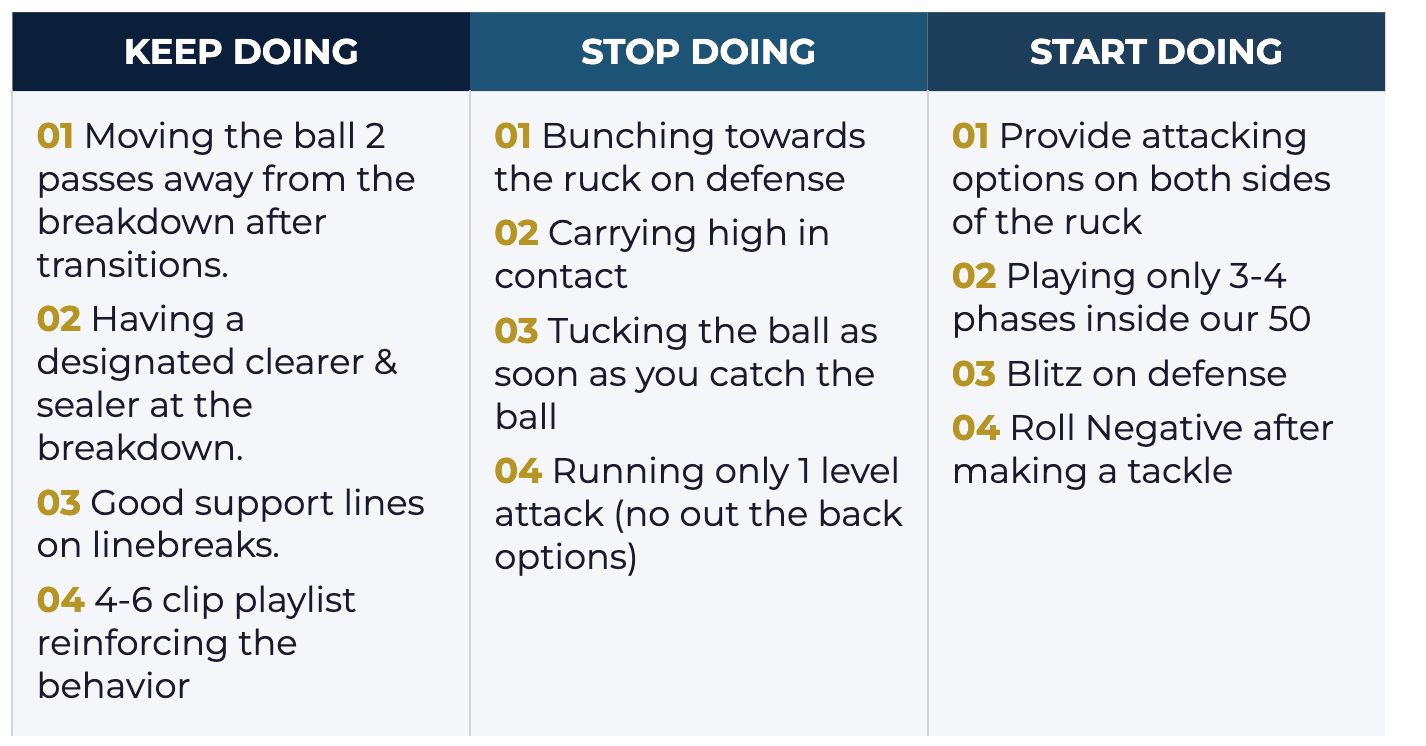
This framework comes from business leadership and boardroom communication. It forces a decision on every insight: is this something to reinforce, remove, or introduce? Three buckets. No ambiguity. It maps directly to how a coaching week is structured: reinforce what worked in film, cut what cost you in practice reps, and introduce the adjustment in Tuesday’s session.

The framework only works when it is data-anchored, not opinion-anchored. Every coach already does a version of this in their head. The difference is whether it is driven by what the data actually shows or by what stood out emotionally on the sideline.

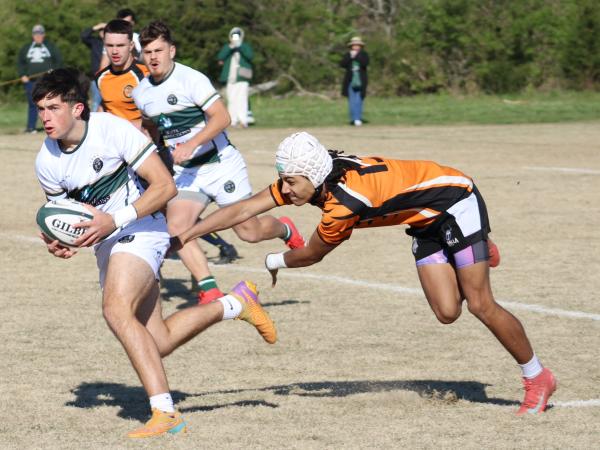
Consider two carriers from the same match. A ball-carrier who looked impressive on the day but repeatedly stepped inside toward the ruck belongs in Stop Doing. A carrier who drew no sideline credit but recorded 14 dominant carries while stepping outside and stopping the next-phase defensive fold stays firmly in Keep Doing. The data makes the call. Not the moment.
AIA Sports Chart April 2026 1B

HOW AIA SOFTWARE ENABLES EACH BUCKET

Keep Doing: Find What Is Actually Working in Your System

Pull your attacking phase sequence data and passing metrics from the AIA match report. These are patterns that are producing territory and ball-in-play time. Build a Keep Doing playlist in AIA Software with four to six clips that show the behavior you want reinforced, and share it with position groups before Tuesday with a brief coach note attached.


AIA Sports Chart April 2026 2


Stop Doing: Let the Error Codes Tell You Where the Game Was Given Away

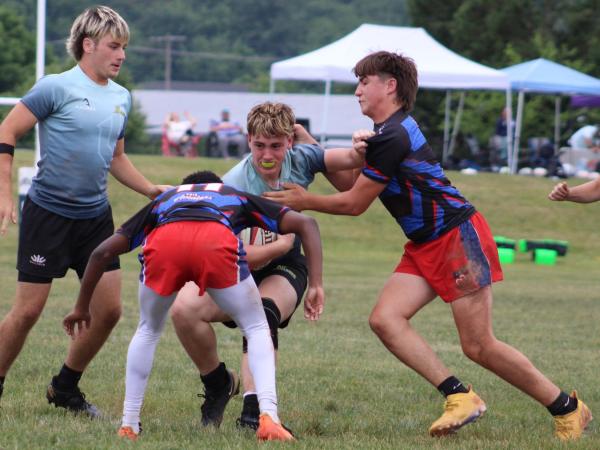
AIA’s action coding & labels captures turnovers, penalty concessions, missed tackles, and set-piece failures by phase and position. Your Stop Doing bucket should not be a list of complaints. It should be a specific, clipped pattern that appears at least twice. If it happened once, it is noise. If it happened three times in the same situation, that is a theme and  your Tuesday focus.
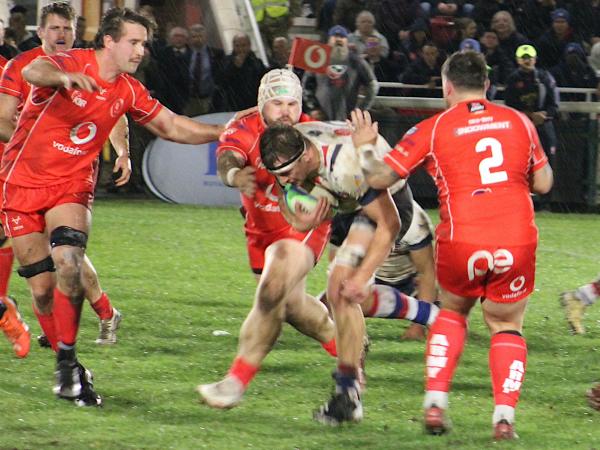
When a player sees their own coded clip alongside the metric, a specific situation presented six times with the same outcome five times, the conversation changes. AIA’s individual player tracking lets you frame Stop Doing as a development target, not a criticism. That is the difference between a player who checks out and one who shows up Tuesday with intent.
 

AIA Sports Chart April 2026 3
Start Doing: Where Game Film Earns Its Keep

AIA Software allows coaches to access and collaboratively code footage from opponent or conference matches shared across programs. Your Start Doing section is not limited to internal adjustments. It can be seeded directly by what you are seeing in data from upcoming opponents. One clip of an opposition lineout weakness paired with an adjustment drill is worth more than an hour of chalk talk.

Discipline in this bucket matters more than ambition. If a tactical introduction cannot be introduced, practiced, and evaluated within the next seven days, it does not belong in Monday’s readout. It belongs in a future queue. AIA’s document hub is the right place to park those deferred items.

AIA Sports Chart April 2026 4

CLOSING THE LOOP

The Readout Is Only Useful If It Drives Tuesday’s Practice Plan

A Keep/Stop/Start review that sits on a shared drive without being mapped to specific drill selection and rep allocation on Tuesday is still just a document. The goal is a direct line: Match data leads to Monday readout, which drives Tuesday practice design. AIA’s report-to-practice workflow makes that loop visible and repeatable throughout the season.

Match data → Monday readout → Tuesday practice design. AIA’s report-to-practice workflow makes that loop visible and repeatable.

The programs that build a consistent Monday review ritual, not a six-hour deep dive, but a structured 45-minute process anchored in data, develop a compounding advantage over the course of the season. Players learn the language. Assistants know their role in the review. Come May, you have a documented record of everything your team has learned, not just what you can remember. That is what a system does that memory never can.

AIA Sports Chart April 2026 5

Related Topics

Photo Galleries

Spotlight