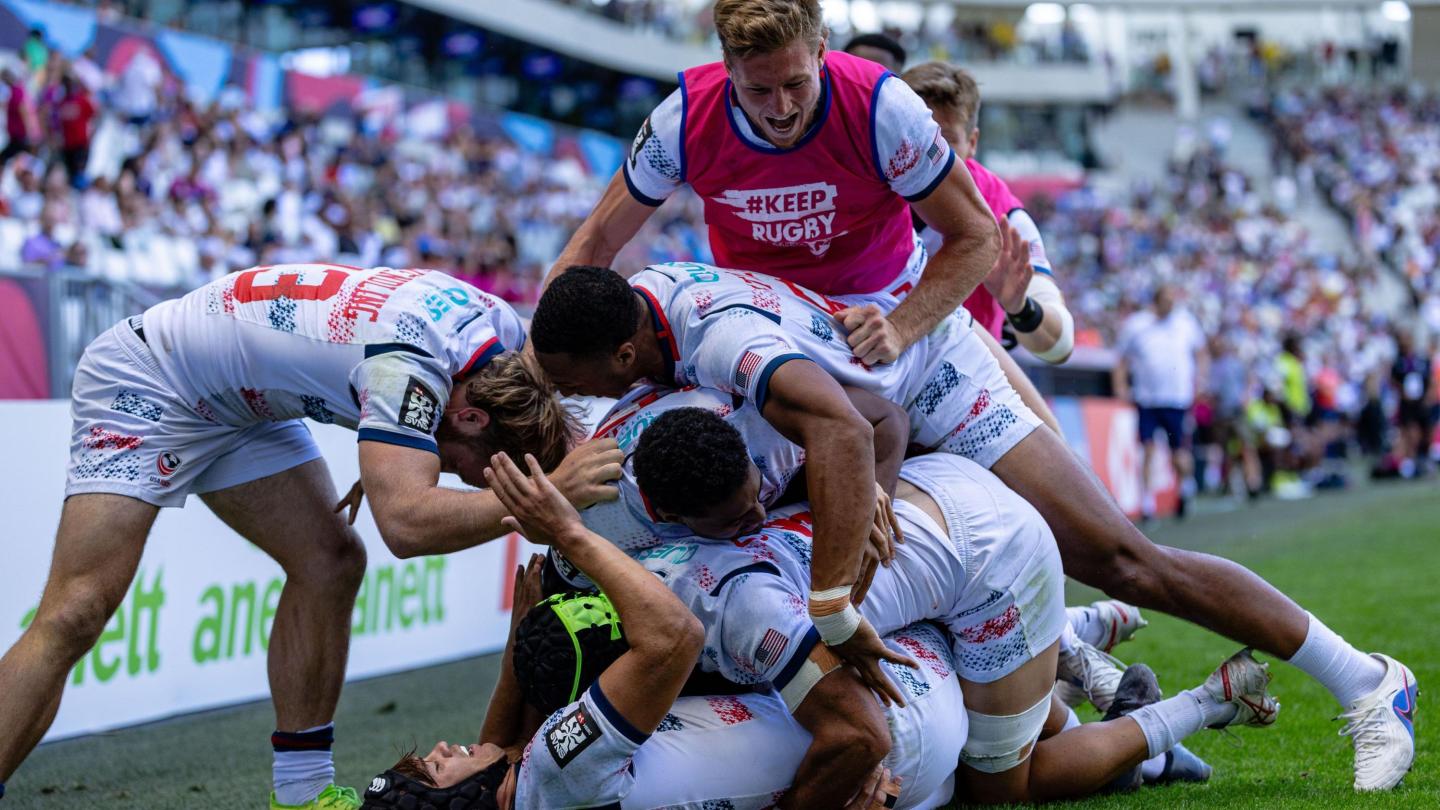
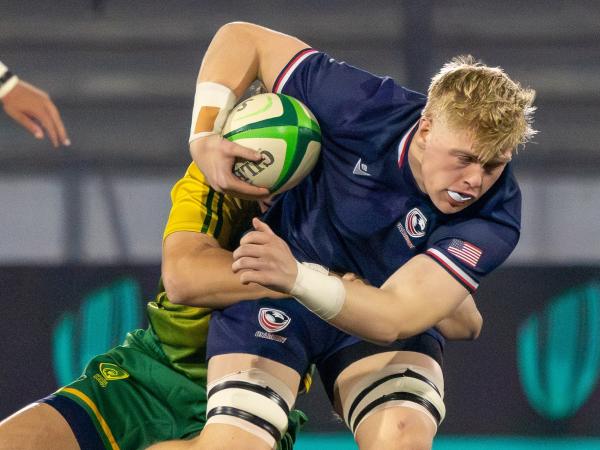
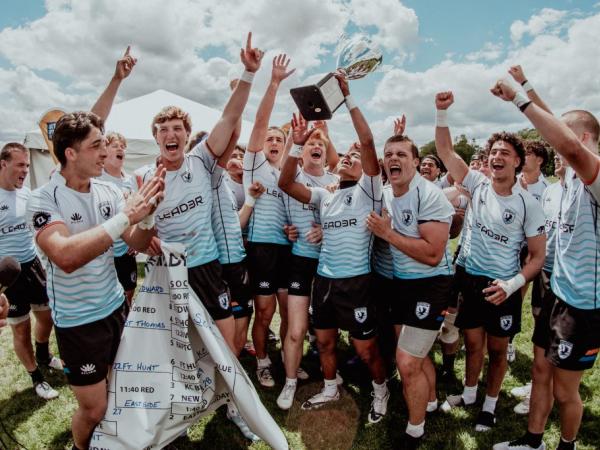
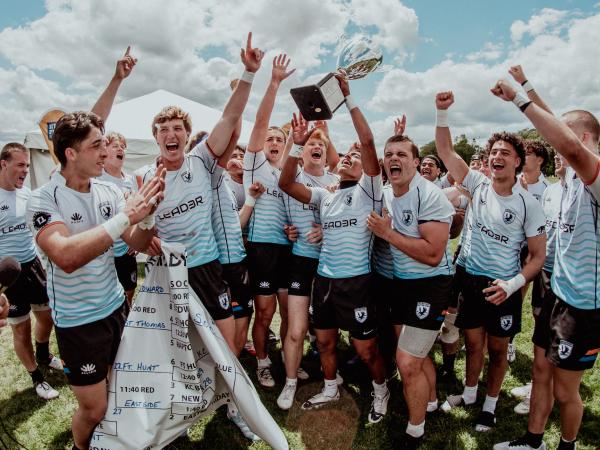
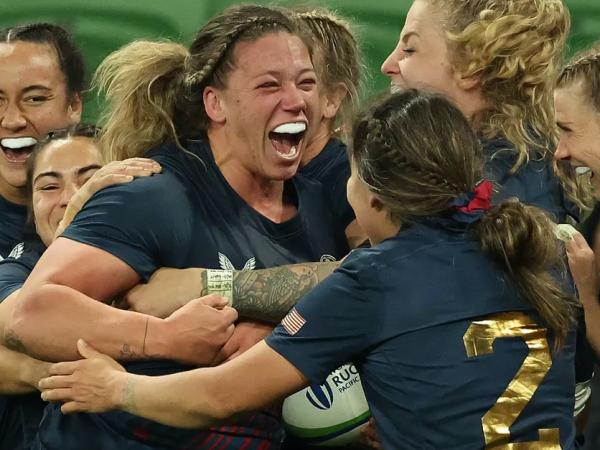
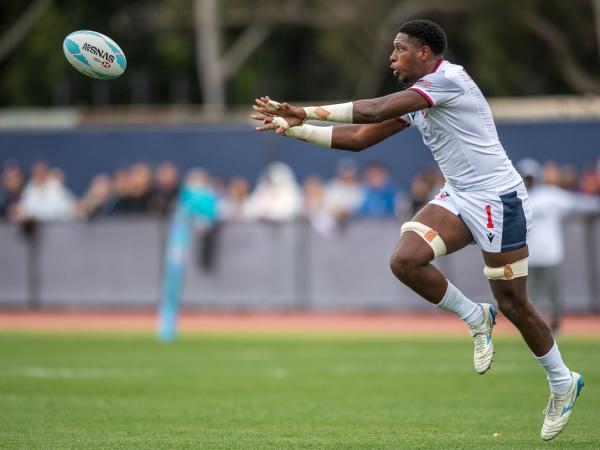
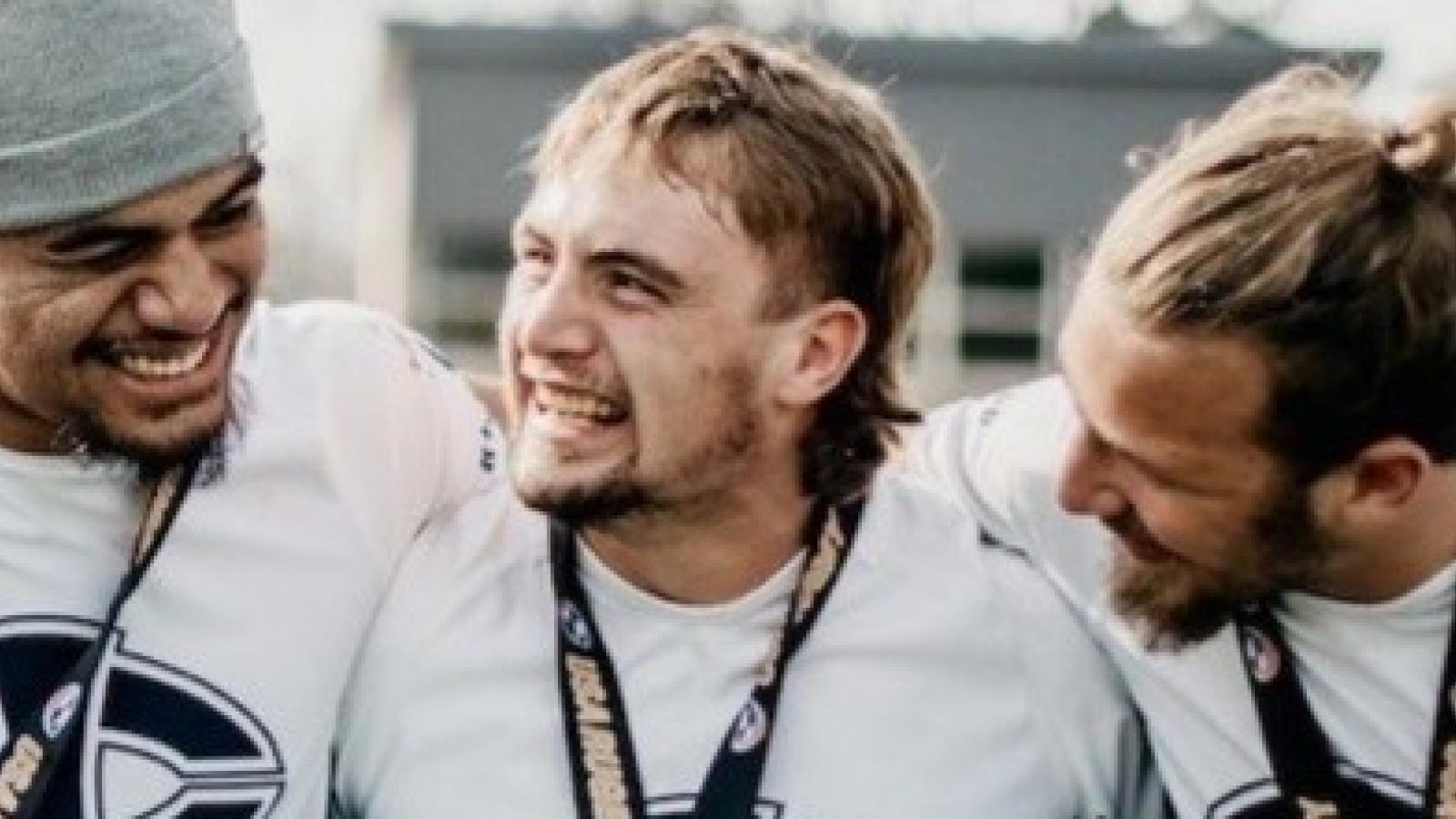
USA players celebrate beating Fiji in Bordeaux. Photo Alex Ho for World Rugby.
Author: Alex Goff
It's back at it for the USA Men's 7s team as the new World Series season kicks off soon.
And if you forgot, it's worth mentioning that this team really, really needed to be in SVNS 1, the top tier of the competition, this season.
Leading into an Olympic cycle, the team had USOPC funding on the line, and certainly fan support (and being able to play in the USA 7s in New York) were at stake, too.
In that final tournament of the season, they needed to finish significantly higher than Kenya and despite the prognosis for all of that being fairly poor, everything started to go well. The Eagles won their pool, and a win in the quarterfinals against Spain would have secured a spot in SVNS 1.
It didn't happen. They lost to Spain, but then they got one more chance after Kenya lost their 9th-place semi. A win in the 5th-place game, against a very tough Fiji, would get them to the top competition for the next season. Then they fell behind 14-0.
With less than three minutes left in the game they were still down 14-0. But the USA team pulled it together. David Still, III scored in the corner, and then the super subs came on, with Marcus Tupuola setting up Will Chevalier, who scampered up in under the posts and converted.
And then, with no time left, Chevalier and Tupuola were both involved in a movement that put Lucas Lacamp in at the corner to win the game 17-14.
It's with all of this history that GRR spoke with Chevalier leading into the this coming season's opening camp. The USA team had lost all of their games in Hong Kong and were still struggling in Valladolid before the big breakthrough in Bordeaux.
Hong Kong was tough.
"There were some tough conversations in that room," Chevalier told GRR. "It was tough but we came out of it for the better. In Spain we started to to find our way, but we found ourselves just a moment short, losing games by one possession, just letting it slip."
However, by being close in those games, they started to feel like they could do it.
"There is a jump between SVNS 2 and SVNS 1," Chevalier said. "You've gone through a series of tournaments where you haven't played those higher-level teams. We had three tournaments in SVNS 2, and, I mean, don't get me wrong, the other five teams in that competition were quality. I'm pretty sure we dropped a game to every single one of those teams except for Canada at some point along the way. And so there was really no clear cut team that dominated that competition. So, yeah, making that jump into SVNS 1, against teams that had played six tournaments against each other, it took a while to get into the flow of things. It's not an excuse or anything; it's just reality."
"There's obviously a bit quicker pace, you know, there are various X-factor players as well, big strong ball carriers. There are those in SVNS 2 but not quite to the quality of teams like South Africa or New Zealand or Fiji can produce."
So the new format World Series format can make it tough. The eight SVNS 1 teams play six tournaments, while the six SVNS 2 teams play just three. Then they all come together with the top eight getting to return to SVNS 1. That means there is a massive learning curve for those SVNS 2 teams. For the USA, learning on the fly was what they had to do.
"In Spain we started to believe that we could do it, that we could compete with those top eight teams," Chevalier said. "And you do the math going into Bordeaux, and, yeah, we don't like to talk about outcomes, but when your job's on the line, you've got to address the elephant in the room. So we knew what we had to do going into that tournament. We knew we had to get to the quarterfinals, and we needed help from either France or Kenya as well."
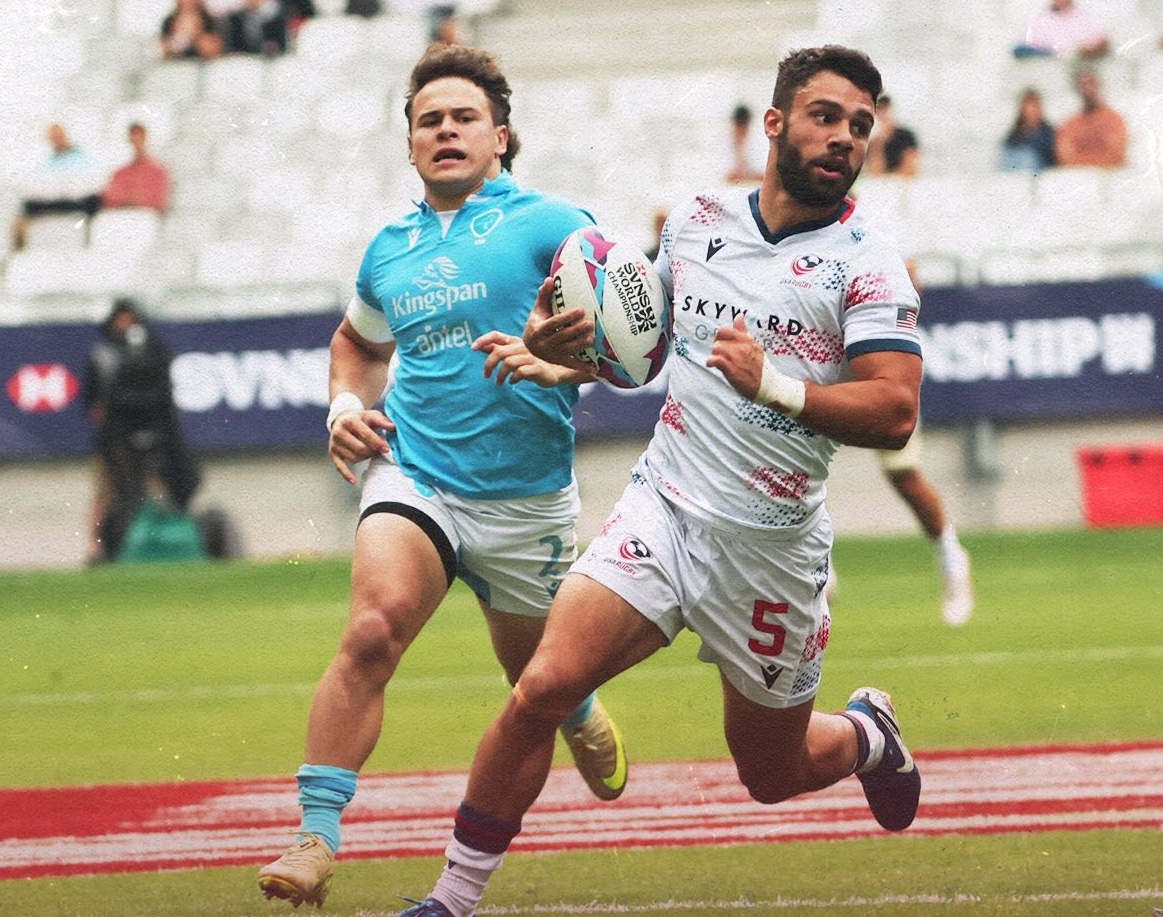
Will Chevalier going in for the score vs Uruguay.
"So the mindset going into Bordeaux was just just believing that we can do it, because if if you know you don't have that, then there's no point in crossing that line, right? You've already you've already lost the game before you've even kicked off if you don't believe you could win, and so we built that common belief amongst the team."
Going into the season in January the team was light on playmakers. Faitala Talapusi was coming back from an ACL injury. Porter Goodrum was injured. Stephen Tomasin, an experienced and versatile player to be sure, had to be moved to halfback.
Chevalier was still moving back to 100% in the first tournament and it took some time for him to get his full pace and elusiveness.
"It wasn't just me; a lot of guys on the team were battling through stuff," Chevalier said. "It's part of the job. It's what we signed up for, but you know we have a great medical staff. They took care of us and they made sure that we made it through the season all right. So, now, we've had the last three months now to to really rest and recover. Tala should be captaining the Falcons at RugbyTown 7s. Porter's getting close to being fully cleared. He's running again. So those guys are starting to really get back into return to play, and guys that had smaller injuries last season should be showing back up September 1. So we're feeling good."
And that 4-1 performance in France, where they beat Spain, Australia, Uruguay, and Fiji, is just the start.
When asked what the fans can expect from this USA team, he answered: "Exactly you know what they saw in France. This core group has been playing with each other for the last two years now. We are really, really trying, and it took us a little bit to to figure out who we were. The last the last cycle of players had their Dawgs identity, and we just wanted to move on from that. So we're just going on that journey of finding our new identity as a team, and I think we can say we've done that now. So now it's just about producing exciting rugby. We've got some incredible athletes on our team and it's fun to it's fun to pass some of these guys the ball and watch them do their thing."
As a 17-year-old Spencer Huntley required a waiver to play for the USA U20s, an indication of how he was rated in the USA age-grade pathway. He got that waiver and impressed for the USA U20s, and then moved up to the USA U23s. He led the San Diego Mustangs to a national HS Club championship in 2024.
He also played in the SoCal single-school league for Cathedral Catholic.
Hope Rogers began playing rugby at age 16 in high school and continued to compete during her time at Penn State University. There, she won four National Championships, was crowned MVP on two occasions, was named to the USA Under-20s and earned Collegiate All-American honors for four years. Rogers was also an impressive discus player during her senior year in high school where she broke a school record and won Gold at Districts for the sport.
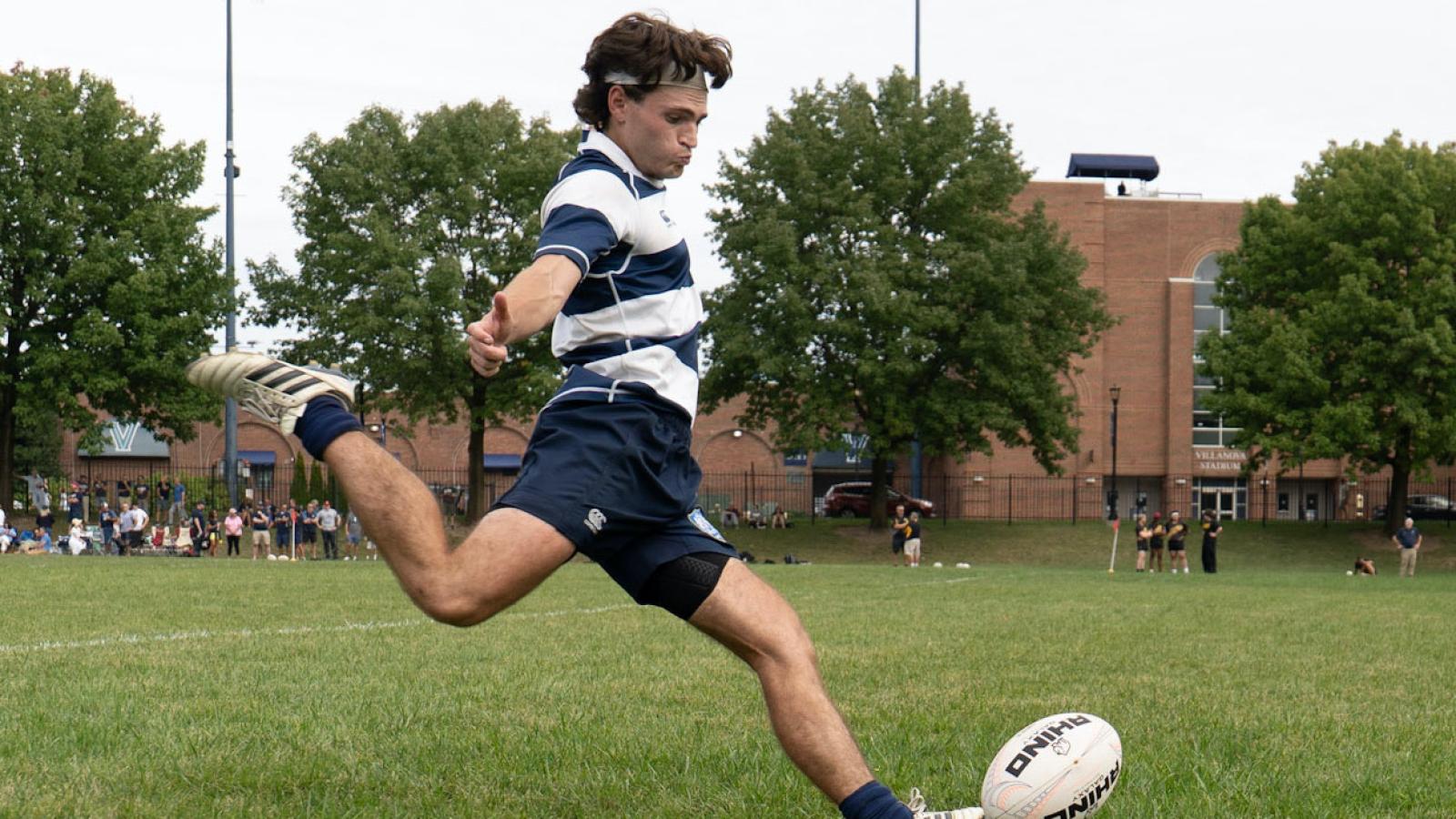
Nathan Caruso is a steady, smart fly half who drives Villanova’s attack with calm decision-making and a reliable skill set. He’s been central to Villanova’s success in the MARC, controlling tempo and keeping the team organized under pressure.
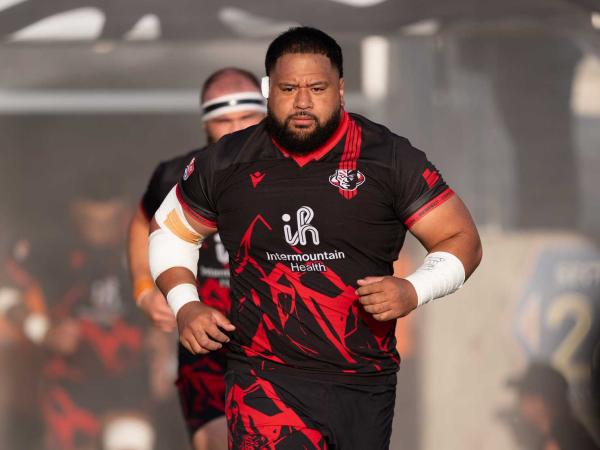
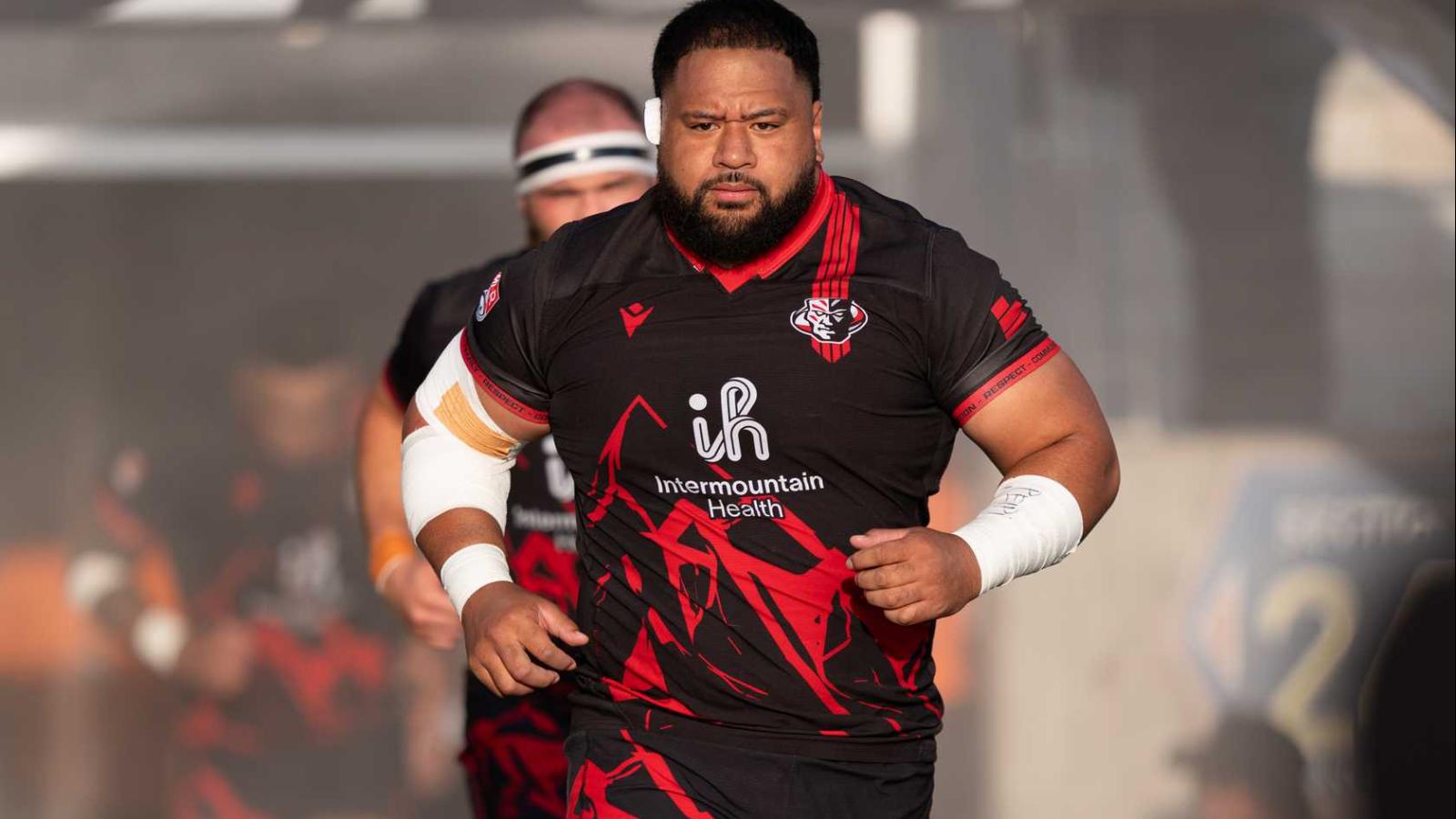
Tonga Kofe is one of the most promising young front-rowers to come out of the American rugby pathway. A powerful and hard-working prop, he rose through the Utah Warriors development system.
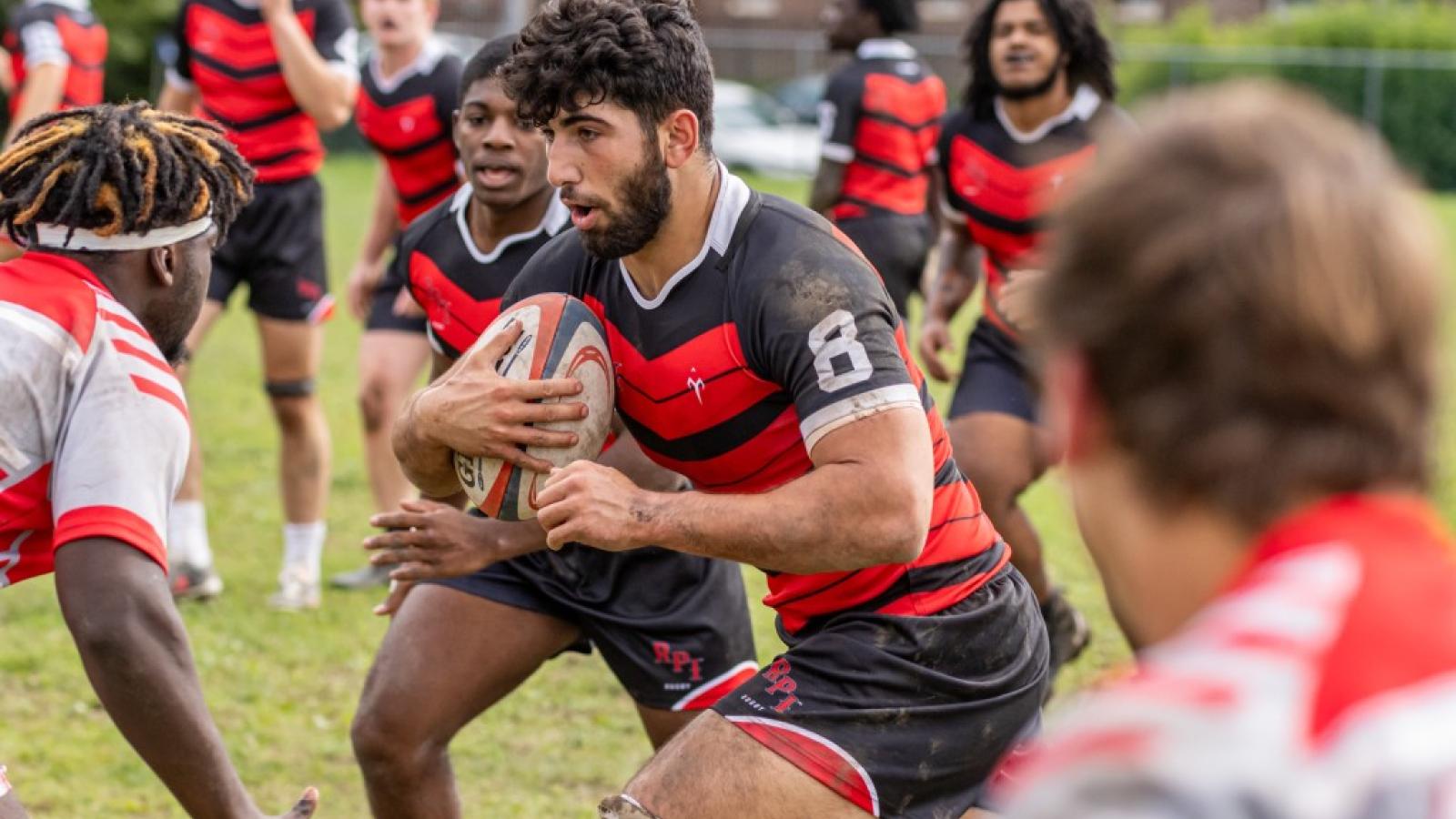
Ray Santiago has emerged as one of RPI’s most influential forwards, a player whose size, athleticism, and rapid development make him stand out in the Division II landscape.
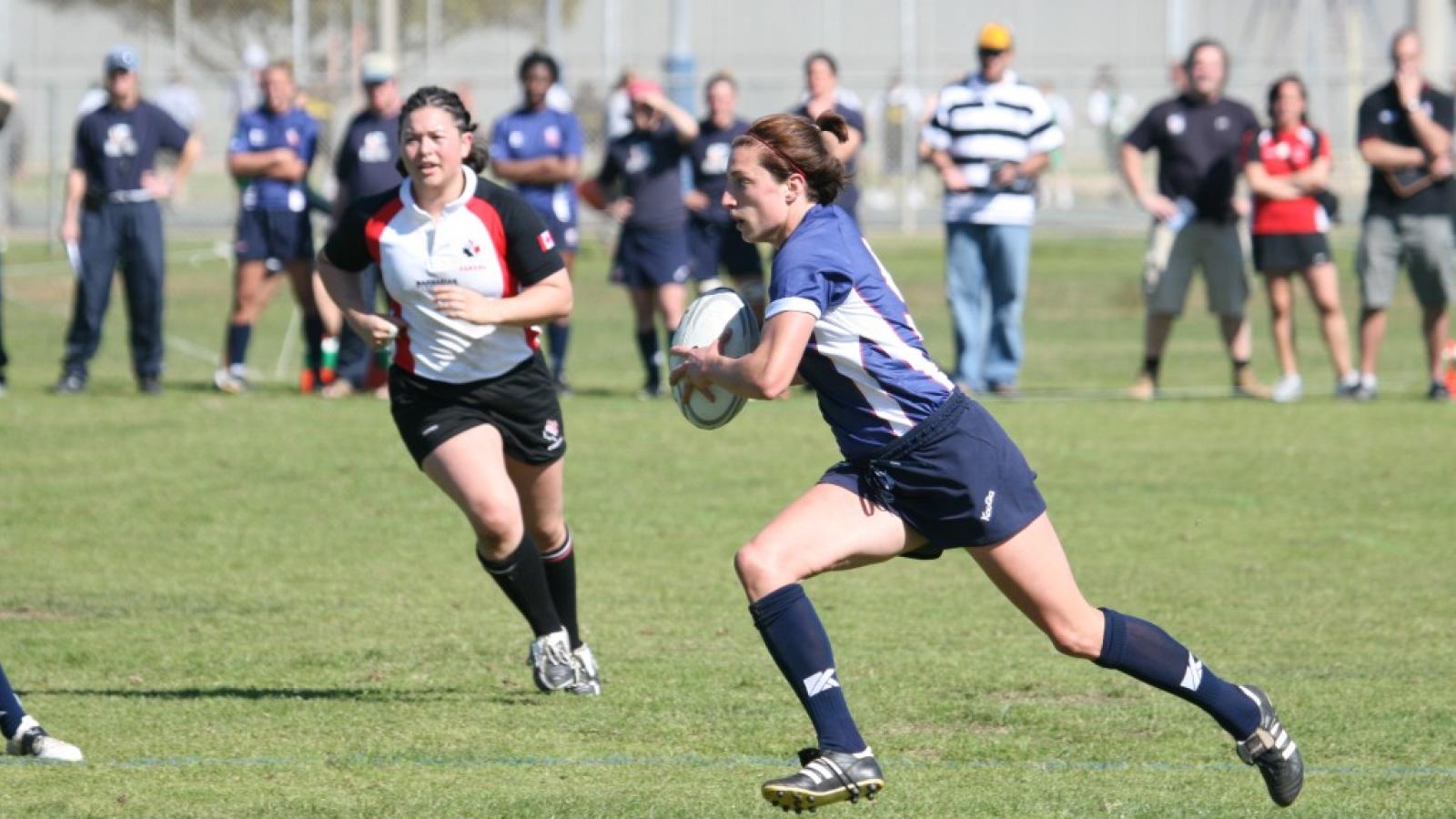
Christy Ringgenberg is one of the most accomplished and versatile players to wear the USA jersey, earning recognition on the Goff Rugby Report All-Time American list for her impact on both 15s and 7s.