01.16.2026Int'l News, Youth
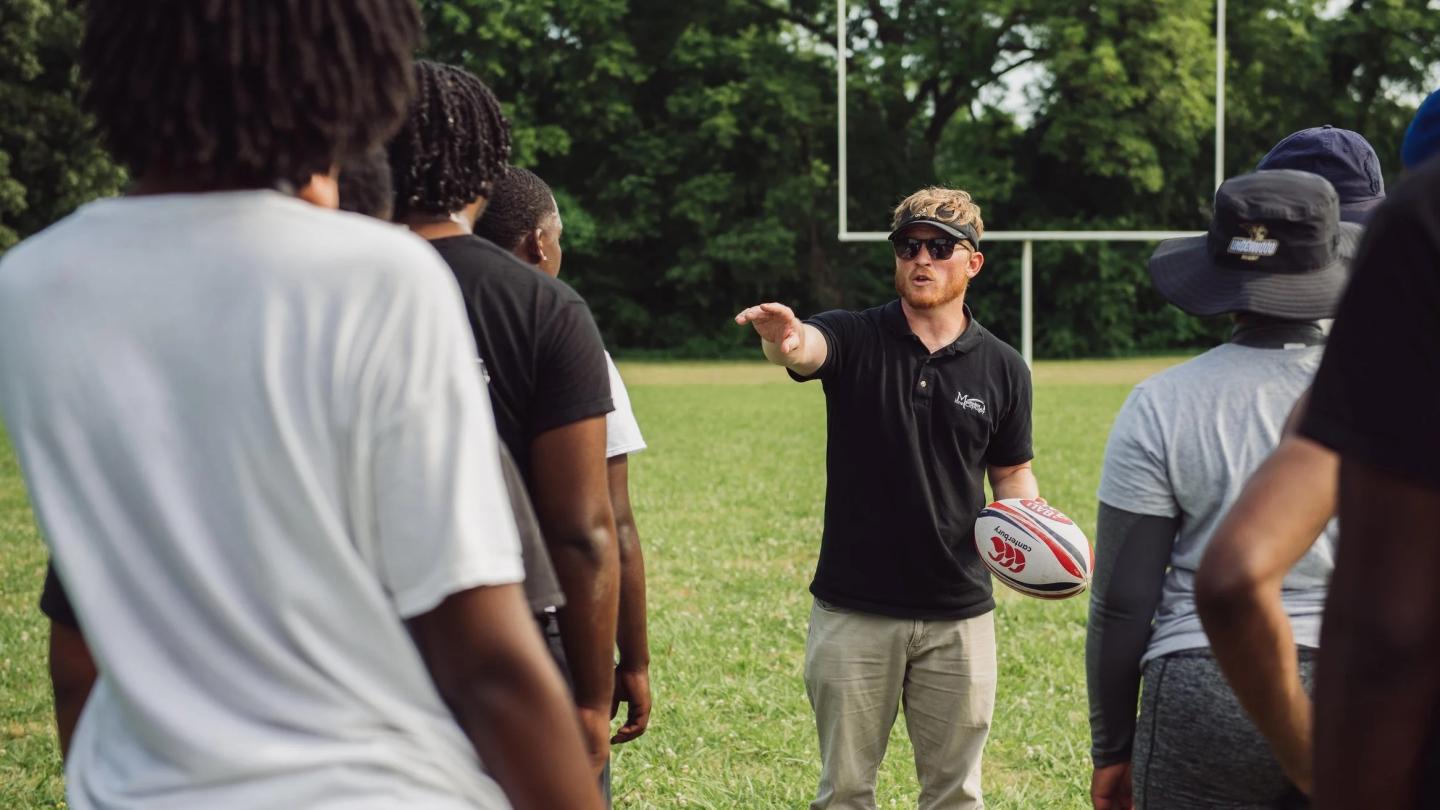
Shane Young working with MICR. Now he takes those lessons nationally.
Author: Alex Goff

In its search for a new CEO, the US Rugby Foundation could have found a longtime rugby person who is part of the fraternity of former international players, or administrators, but they didn’t go that way.

Instead they selected 36-year-old Shane Young, whose main contribution to the game has been developing and growing the Memphis Inner City Rugby program.

Shane Young Hired as US Rugby Foundation CEO

So that immediately leads you to think that he will drive a concentration on youth rugby within the Foundation, and that’s probably a correct assumption. But it’s not why he was hired. Young was hired because the Foundation has to be run along two separate lines, operations and fundraising. That’s why Jon Hinkin is the COO and why Hinkin was adamant that the organization needed someone to drive fundraising.

That’s what Young is there for.

Good Money After Good

“Most American rugby players do not know me in terms of on-the-field,” said Young, who played for the USA U19s and for the Naples Hammerheads as a high-schooler. “But the conversations [with the Foundation] were a lot about fundraising, bringing serious capital philanthropy, and investment sponsorships into this game. That's something we did very successfully at MICR in one of the most financially struggling cities in America. So I figure if we can do it in little old Memphis in the Mid South, where rugby is not so much as of a vocabulary word, then surely we can do it on a national scale and start to reinvent ourselves a little bit.”

Young brings energy and enthusiasm to the position, although he will say his enthusiasm is also fueled by frustration, even anger, that the sport has not progressed as quickly as many of us would like.

Maybe that’s because of a slowness of vision, or going to the same financial well again and again. Whatever it is, it’s clear Young wants to ramp up the support for the game.

“We really want to raise as much capital as possible and distribute it and invest it,” Young told GRR.

And Young understands what makes a viable organization. He started and ran one.

“We have lots of other things to do, but my number one job is to do what almost no one in the country has done really well in a catalytic way that makes generational impact on the future of the sport, and that is to bring in money. And when we do that, what I'm dreaming big about is giving it all away. Givinig it away to programs that are doing things the right way and have leadership that is dependable, reliable, competent, talented, and just hell-bent on making sure this sport elevates its profile and that kids win because of it.”

Learn how you can help the US Rugby Foundation at usrugbyfoundation.org

Partnerships

So that includes vetting an organization—ensuring that those that receive funding from the Foundation can be sustainable and successful. Part of that is finding talented people, not always in rugby, and bringing the community—college rugby, local schools, and rec organizations.

“We cast really wide nets that transcended the rugby community, to bring in talent that can stick and make a difference,” Young said of MICR. “At MICR everyone's full time on salary and benefits, getting competitive wages. It’s a full-fledged operation with a lot of accountability. Everyone on staff, full-time and part-time, goes through a detailed performance evaluation. People are so passionate about rugby, they do it as volunteers … so it's got this, amateurism component to it, and that's there's so much good that comes with that, but there's also so much opportunity and meat on the bone to do more and scale up and be sustainable. That takes money and resources.”

It also takes broadening the idea of what the sport can mean.

“What we're missing is philanthropists who want to solve society's real problems, philanthropists who are aware of the economic opportunity,” Young explained “The World Cup coming to America brings folks who are interested in education, and folks who just love high return on investment. We have to bring these things to the game to attract real significant dollars in the future.”

Broadening the Reach

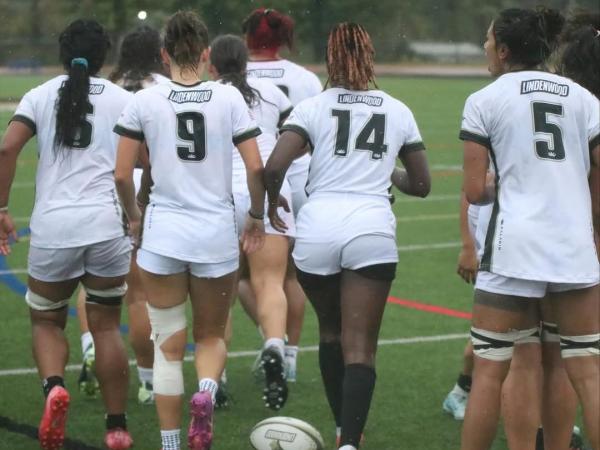
Young’s history with MICR is important, not only because he’s created a formula in which people are paid to keep the program running, but in that he’s done it in a heavily African-American area, bringing those young people to the sport and, tellingly, keeping them there.

Now MICR alumni are administrators, coaches, referees.

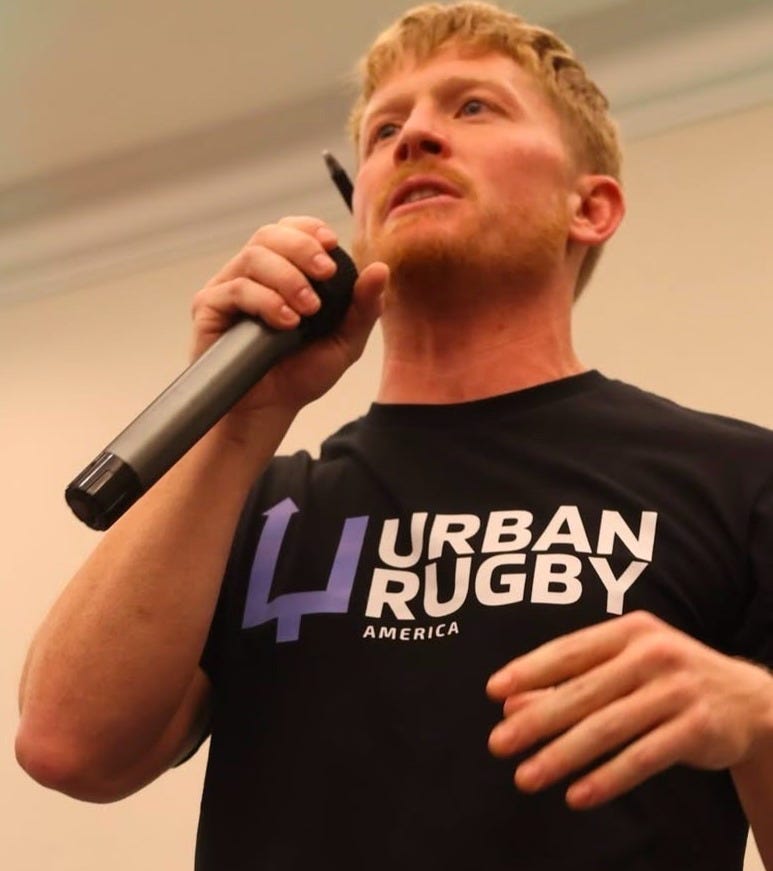
Shane Young speaks to an audience.

“You need really talented, dedicated people,” he said, adding that sometimes you have to put aside the things that we all love about the sport to address some simpler needs. “When I was 25 building Memphis Inner-City Rugby, I was looking around the rugby community, thinking: ‘all right, someone's going to come see how special this is and invest right from the rugby community.’ And what people would say is ‘oh, those kids must love the values of the game.’ But these are kids from really low economic backgrounds. The values of the game aren't doing anything for them. Access to free uniforms, rides home, nutrition, school partnerships, year-round programming … that's doing something for them. Are the values of the game, being broke and late? No, so let's bring value to those who play the game, and then we could talk about the values of the game.”

Keep Players Playing

So, yes, we found the way to circle around and join the grassroots side of things and the business side of things. Young wants to raise money so he can bring the game to more young people, and then, crucially, keep them playing.

At MICR they have a 76% retention rate between different transition points (for example, elementary school to middle school).

"Three out of every four kids that come play are going to play next year too,” Young said. “You can get 100,000 kids participating, [but] who stays? We have to be laser-focused on retention. That's a system you design to keep kids coming back. When we do that at scale, consistently with quality, the high performance, they'll have a really, really wide net of highly talented athletes who also understand the game enough to be in those pools right now … the high performance will take care of itself.”

Hitting the Road

Shane Young, it appears, has put himself though his own boot camp to learn and understand these things. Now he’s ready to pounce.

This weekend he will be in Denver for the Women’s Rugby Conference. The Urban Rugby Championships is now under the USRF banner and is set for March 20-21, hosted by Faith Family Academy in Dallas. And Young will be opening himself up to questions, concerns and, as he says for “people to meet the CEO and throw tomatoes at me.”

Learn how you can help the US Rugby Foundation at usrugbyfoundation.org

Related Topics

Photo Galleries

Spotlight