When Goff Rugby Report launched in June of 2014 we committed to reporting on High School, College, and Eagles, but left the senior club environment alone.
At that time there was no professional league.Then one popped up, lasted a year, and then Major League Rugby came along. The original Pro Rugby failed not because of the players or the coaches or those who embraced it, but rather failed due to how it was run and the personalities involved there.
Happy Families?
Major League Rugby showed up with a new model, not a central ownership but a an ownership model where the teams sank or swam on their own, but also paid into the league as part owners of the league. That made sense, except when you say sink or swim … sometimes teams sink. And we’ve seen that. New York, Toronto, Dallas, Glendale, Miami, Austin, Dallas again, New Orleans, LA … all have left, all for differing reasons.
As Tolstoy wrote: "All happy families are alike; each unhappy family is unhappy in its own way.”
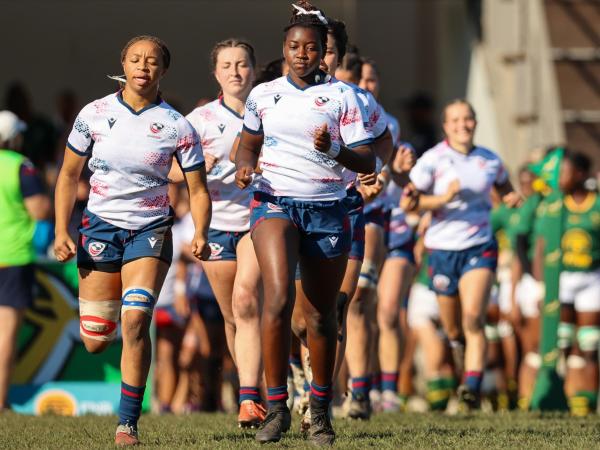
The happy families remain in MLR and in here Tolstoy isn’t entirely correct, as Anthem is funded by World Rugby and therefore their financial viability (which is a big part of the happiness quotient here) is measured somewhat differently than the other teams.
But, the other teams generally have a fan base, local investment, local players, and a manageable venue. Seattle, California Legion, DC, Chicago, Utah, and New England remain and they remain in part because what makes them a happy family is a workable formula.
The Main Question
Last week GRR sat down with Alex Magleby, New England Free Jacks co-founder and now MLR co-president to talk about the future of the league and to answer this pressing question:
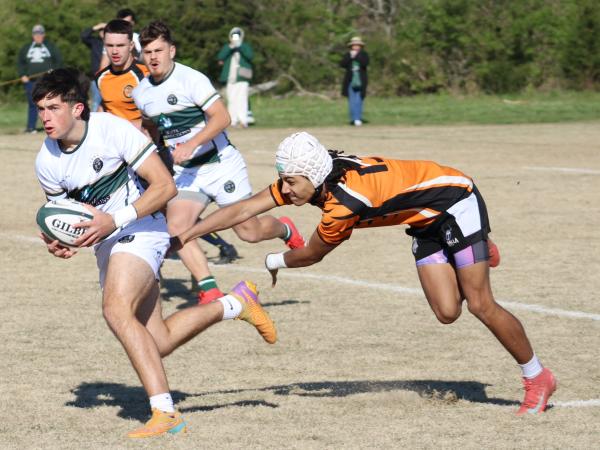
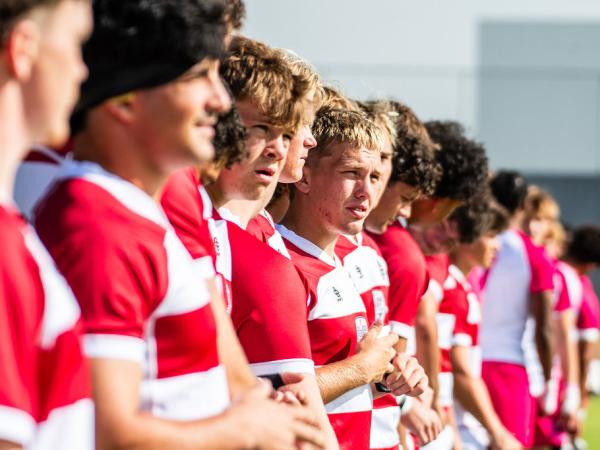
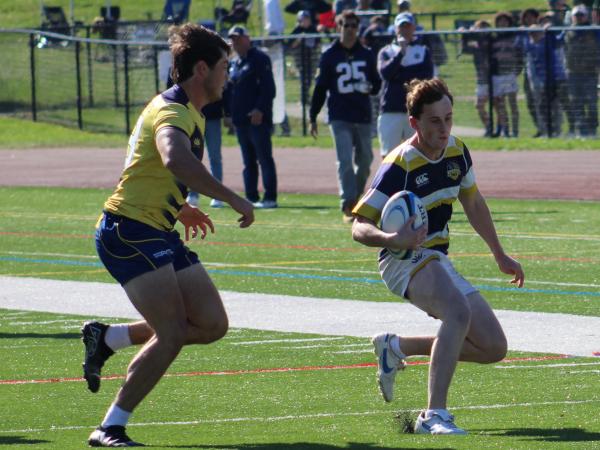
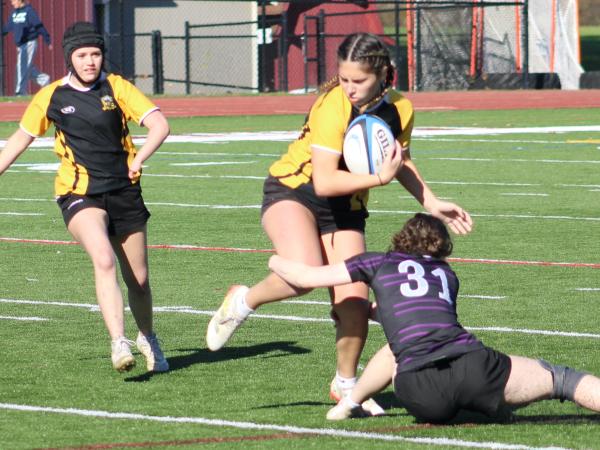
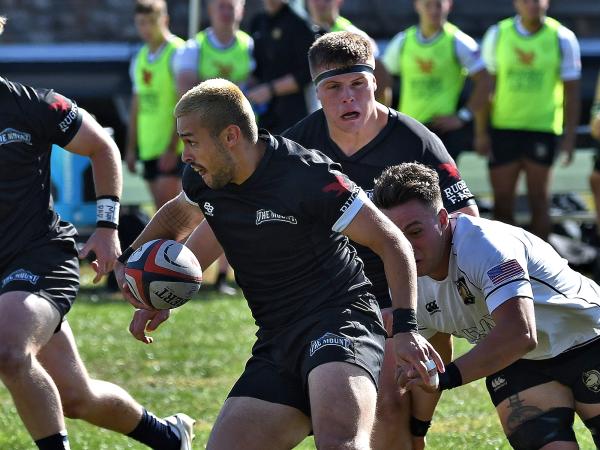
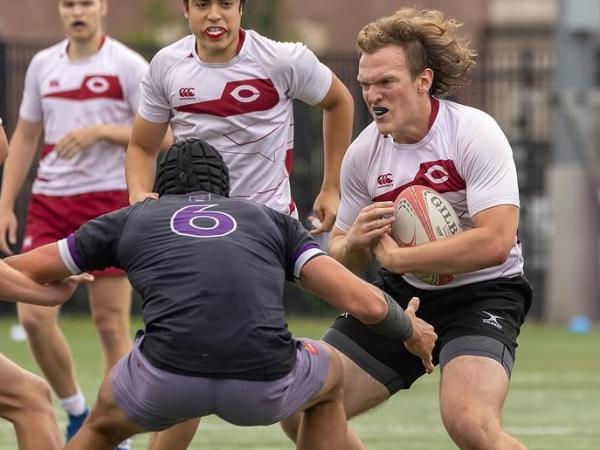
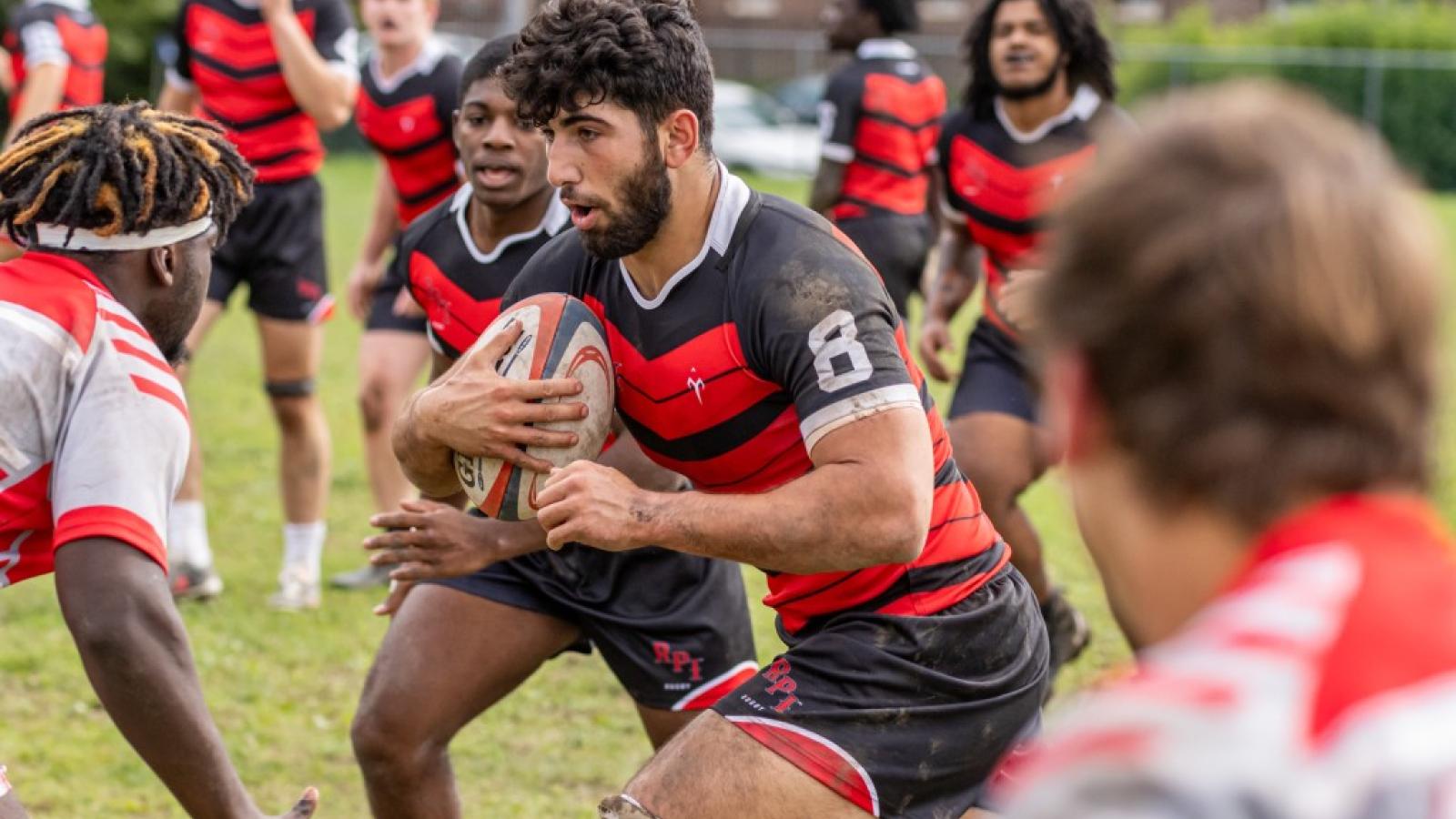
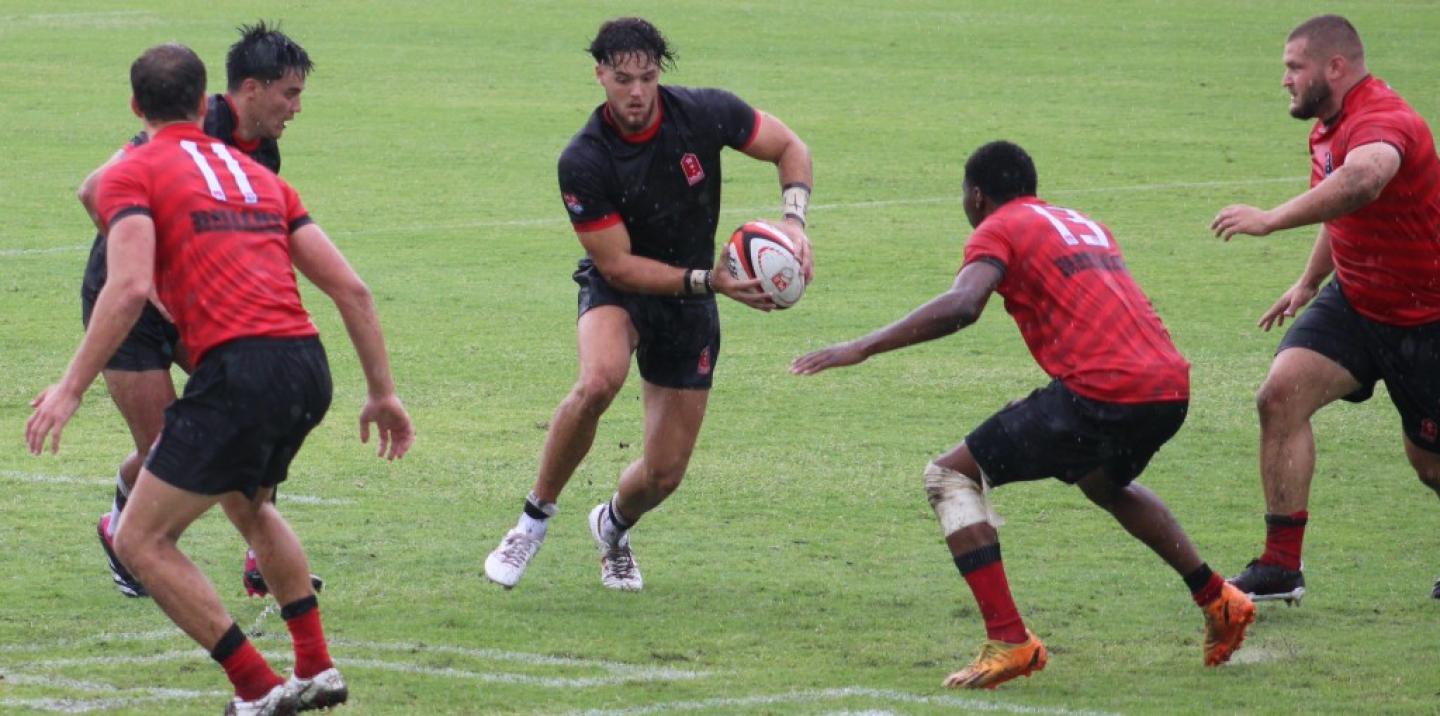
What should GRR tell college and high school players about the prospect of playing in MLR? At GRR World Headquarters, that’s our biggest concern—do we tout the league for college players or not?
The short answer is, yes, playing in the league is a viable goal, Magleby believes MLR is a viable target for talented college players. Key to this point is a new limit on foreign players. Now the limit is seven (at least one team wanted five, but seven was the consensus number). Non-foreign players are players who qualify to play for the USA. Canadians are now foreign.
So on any gameday roster, 16 of the 23 must be USA qualified.
Percentage-wise, this makes a big difference for college players. who were facing rosters where half the players were not American or USA-qualified, and now two-thirds will be.
But a quick look at new signings through MLR shows this:
Out of four teams (nothing announced by Legion and Anthem is its own animal):
43 new signings 17 are foreign, and 26 USA-qualified.
Of those 26 USA-qualified, 13 played college rugby in America, three either played high school rugby or were American citizens crossing over from another sport, and eight were players who qualify for the USA but grew up and learned their rugby overseas.
Of those eight who grew up outside the USA, five have been capped.
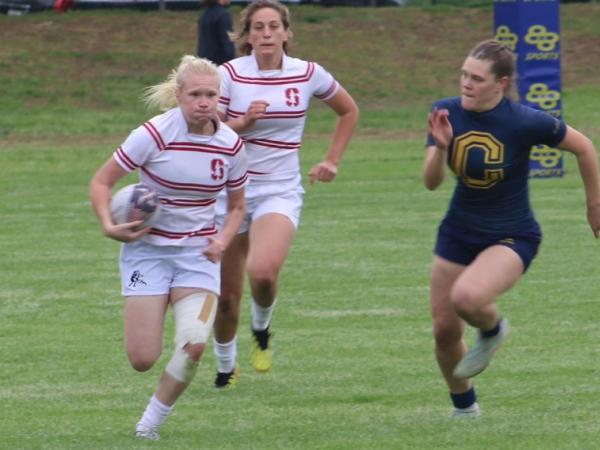
If we look at those 13 American college players, we see the elite of the elite—two Scholz Award winners, a Scholz Runner-up, capped Eagles, high draft picks. It is very difficult to break into that level.
But it can be done.
And, as Magleby points to, it has to be done.